


Before Burna Boy’s historic win this Sunday at the Grammy Awards, the trip to the Grammys officially kicked off for Nigerians with King Sunny Ade (KSA) as the first-ever Nigerian to get nominated. He got noticed for his album ‘Synchro System’ in 1984.

To date, KSA did not win any of his nominations. This phenomenon, seemingly, is the recurring pattern plaguing Nigerian musicians on the national level. The only thing they had was a regional influence.
On a different note, more than six Nigerians have basked on the Grammy stage on multiple occasions to collect their wins and give heartfelt speeches. None makes music locally. So the impact of their wins was partially felt.

Ibadan-born and London raised Helen Folashade Adu, simply referred to as Sade Adu, became the first Nigerian to win a Grammy. She won the award in the Best New Artist category in 1986. This will be the first of four wins for her that includes ‘No Ordinary Love’ (1994), ‘Lover’s Rock’ (2002), and 2011’s ‘Soldier of Love’ in the category of Best R&B Performance by a Duo or Group. While Adu and her music were loved in Nigeria, a lack of physical presence certainly diminished the impact her win had.
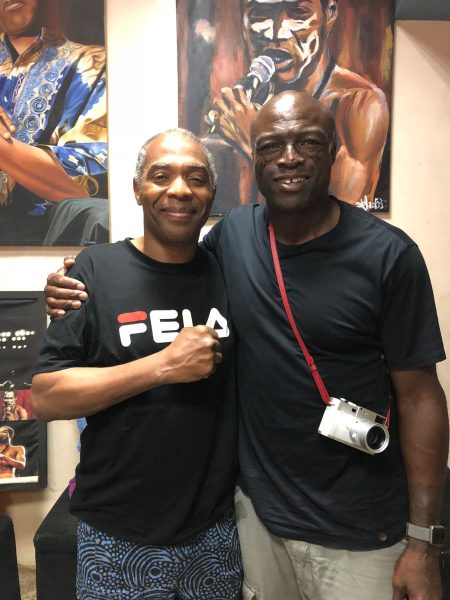
Similarly, Seal (Olusegun Olumide Adeola Samuel), another British -Nigerian, won his first Grammy in 1995. At the time, there wasn’t much that revealed he was Nigerian. His stage name didn’t help nor was the internet a daily driver like in today’s world. His hit single ‘Kiss from a Rose’ scored him a hat trick win, launching his career on a bat-mobile his song served as the soundtrack to. That probably was his most popular song in Nigeria. Nothing else resonated through the airwaves after that.
In another instance, Nigerian-born Sikiru Adepoju was honoured for his work on the ‘Global Drum Project’ that parades various artistes with different musical skills. Because his type of music wasn’t popular amongst mainstream listeners, his win in 2009 was only celebrated within niche groups.
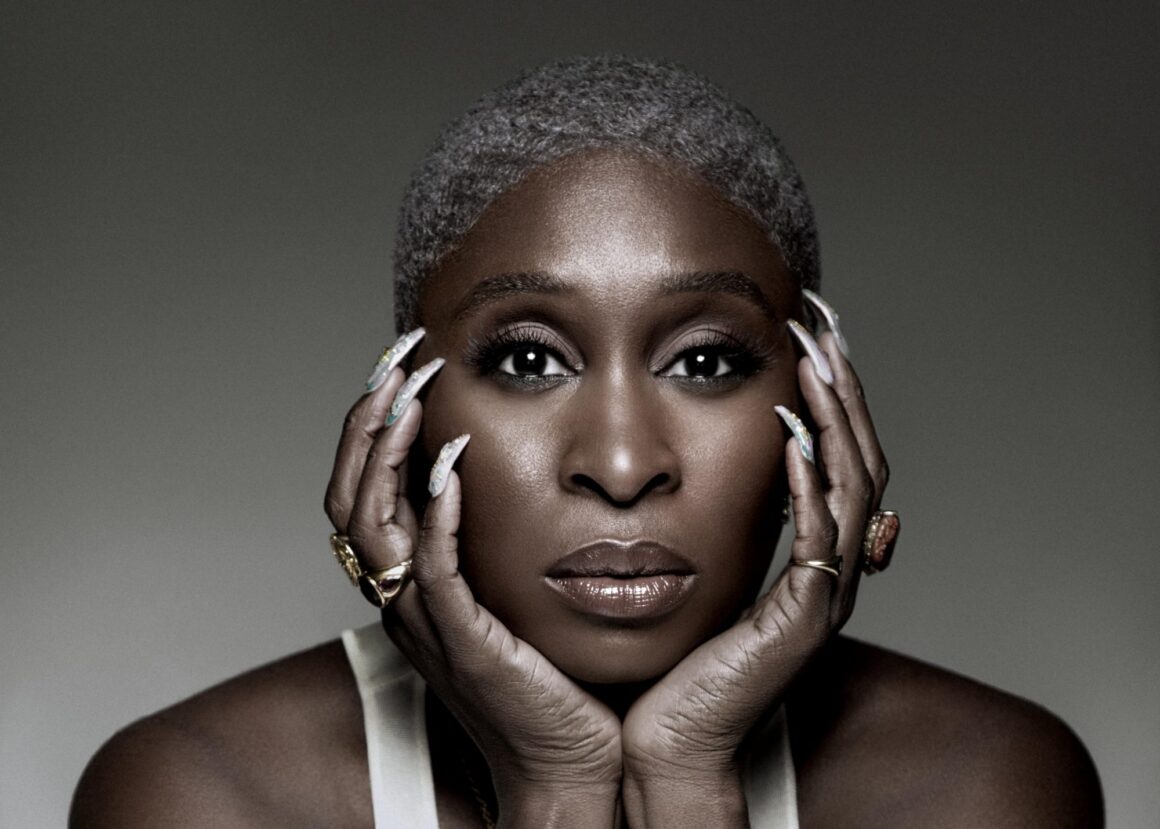
Famed for her titular role as Harriet Tubman in ‘Harriet’, British-Nigerian actress Cynthia Onyedinmanasu Chinasaokwu Erivo, aka Cynthia Erivo sang her way to snatch the Grammy award for Best Musical Theater Album in 2017 for ‘Colour Purple’. Cynthia, like the rest, had the same niche problem. They were seen globally but they were quite foreign in their motherland.
While Chamillionaire didn’t experience such limitations in the same vein as the other due to the appeal of the hip hop genre in the 2000s. Sadly, his career trajectory lacked the torque required to keep him in the spotlight. He won his first and only Grammy in 2007 in the category of Best Rap Performance by a Duo or Group for his smash hit single ‘Ridin’.
Other notable Nigerians on the foreign scene include jazz musician Lekan Babalola, and multi-talented polyglot, Kevin Olusola.
Also, of all these acts, few projects an authentic African side even though they may be deeply rooted in African music. If anything, it is reproduced to suit the white palates. This is not the case with Burna, who showed up and showed out at the Grammy premiere show where he performed a medley of some of his biggest hits.
Starting with ‘Level Up‘, Burna stands in front of a national piece of history (National Theatre, Iganmu)flanked by a choral group. For every Nigerian watching the Grammy awards, this feature isn’t regular over the years of broadcast but was one that delighted many Nigerians.
Asides from showcasing the landmark, he progresses to a much colourful backdrop that sees beautiful Efik dancers circling him. The burst of colour and energy resonates with Nigerian at home. It’s a point where every Nigerian arrives at their ‘I am proud to be a Nigerian’ moment.
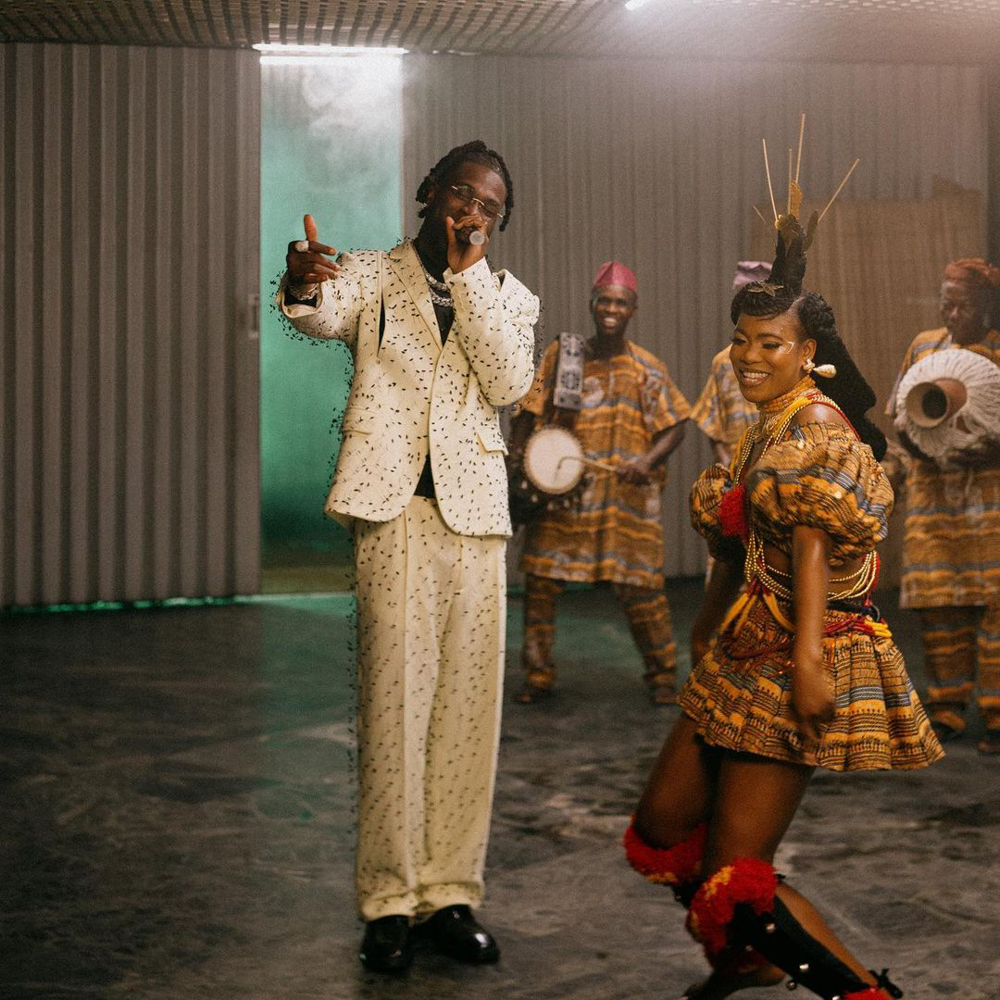
Even if Burna didn’t win that night, he has inched farther than any nominee in recent years in projecting Nigeria on the global stage. And he does so in a manner that screams relevance to the global music industry.
Now, back to the home front.
On the local scene over the years, nominations kept pouring in with no wins for the artistes who live amongst us. Femi Kuti, for the past 18 years, had been nominated four times. He lost in all of his trip to the Staples Center, leading many music critics and lovers concluding the award may never come in their lifetimes. Femi’s last nomination before the 63rd Grammy Awards, which recognises his contributions on Coldplay’s ‘Everyday Life’, was in 2014.
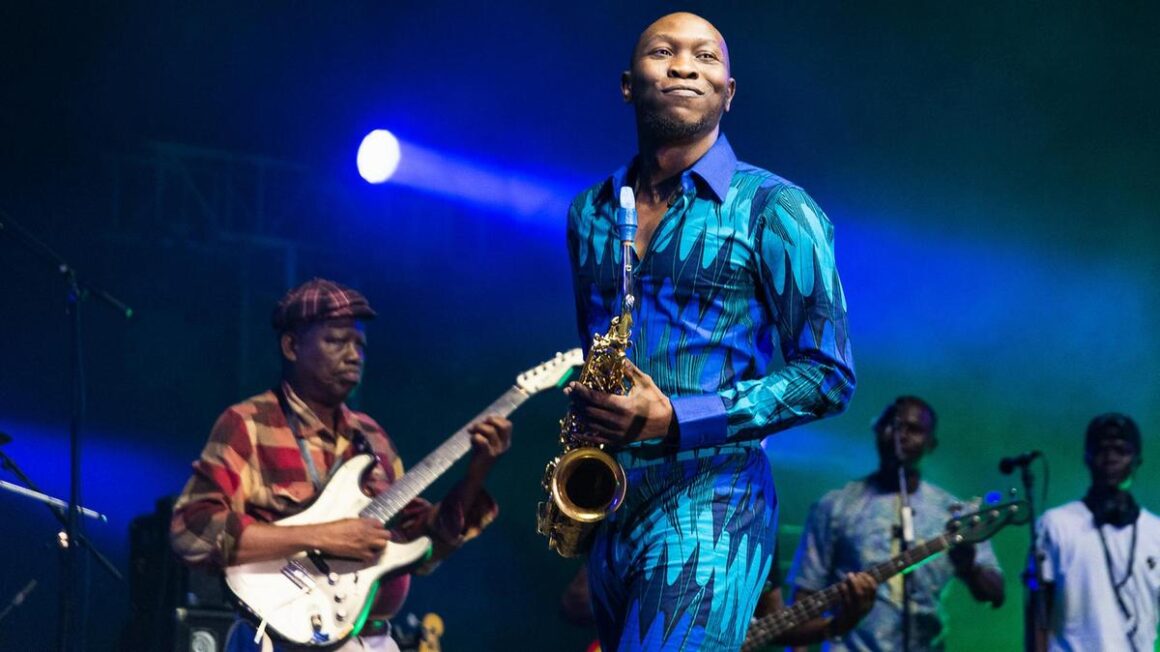
Subsequently, in 2018, Seun Kuti who now helms his father’s band, Egypt 80, scored a nomination for his album ‘Black Times’, in the category of Best World Music Album. His nomination came with so much hope that he’d win. Sadly, hopes were dashed… again.
Two years later, and a change in name of Best World Music Album to Best Global Music Album, Burna landed his first nod but lost to Angelique Kidjo’s ‘Celia’.
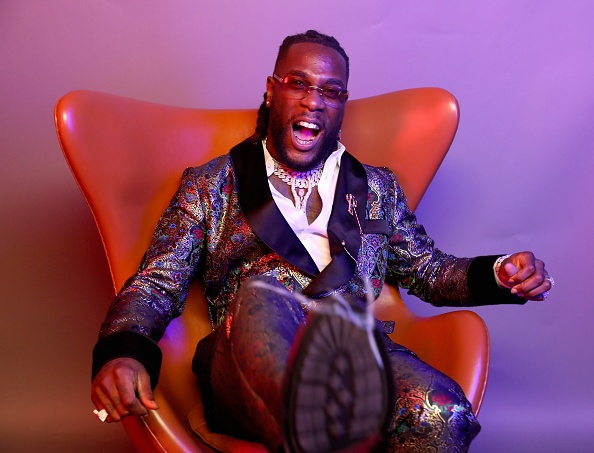
With his 2020 win for his magnum opus ‘Twice as Tall’, Burna may well be remembered as the first Nigerian to bring home a Grammy, and not because he is in the real sense, but because he’s shown the world Nigeria’s richness in culture, people and traditions.
By and large, Burna’s win transcends him. It’s a win for every Nigerian.

