


Films are a great source of entertainment, and that’s probably the first merit that anyone would think of if asked to mention the benefits of cinema.
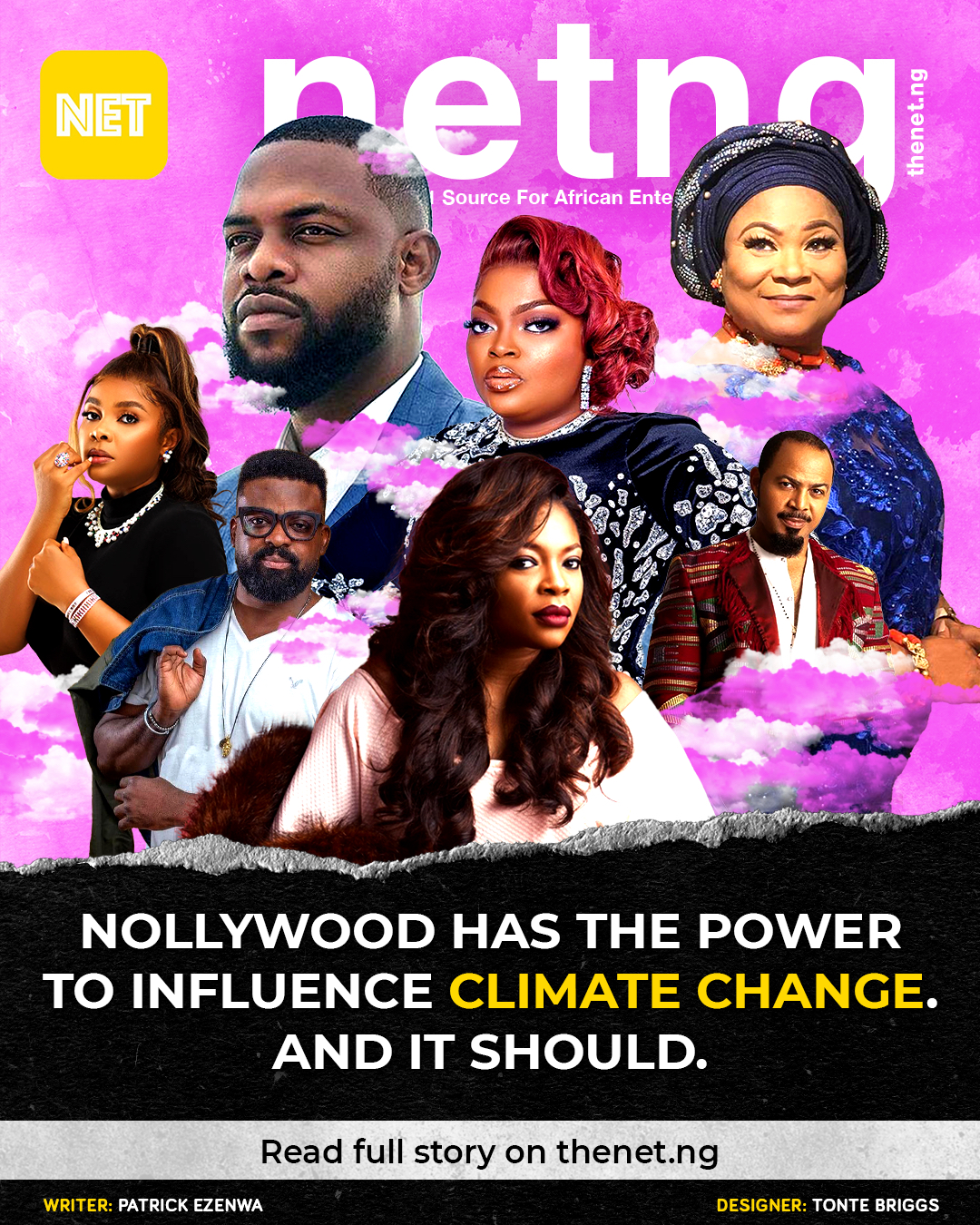
This entertainment function that films provide is not only important in itself, but it is also why other functions, like information sharing and education, can occur. A person may not be inclined to watch a fact-based documentary about, say, the real-life physical and psychological effects of religious insurgency on its victims, but put into a movie, like 2020’s The Milkmaid, and you can humanise these stories, drawing people in with silky writing and suspense, all the while meeting your original aim of educating about an unpopular subject.
The prevailing circumstances of a place greatly influence its cinema content, as filmmakers in any place draw from its societal issues, and then insert this into a compelling story – educating and informing while keeping true to its original promise of entertainment. In Nigeria, these issues are fairly primitive. Apart from The Milkmaid and its spotlight on ethnoreligious violence in northern Nigeria, other Nollywood directors have found ways to speak on pressing issues.
In 2016, Steve Gukas’ 93 Days told the story of the Ebola outbreak in Nigeria and the Lagos health workers that fought to contain it. 2020’s For Maria Ebun Pataki took the uncommon direction in focusing on postpartum depression, an unpopular but very important subject. In 2021, Collins Akpapunam explored the experience of average citizens who were subjected to hardship during the COVID-19-enforced lockdown in the documentary, A Lasgidi Story. In 2022, the short movie, Samaria, educates the girl-child and champions girl-child rights. Other Nigerian movies abound that shine a light on other issues like rape, gender-based violence, war etc.
Climate change is an issue that, at least in 2022, deserves a focus on par with the aforementioned issues. In the wake of a series of floods that occurred (and are still ongoing) in several Nigerian states, especially with the added context of an election period, the topic has entered national relevance for the second time, 10 years after it gained national attention.
The floods came hammer and tongs in 2012. Nigeria’s National Emergency Management Agency (NEMA) put the losses from the 2012 flooding at $16.9 billion, with over seven million people affected, 2.3 million people displaced, over 363 persons killed and about 597,476 houses destroyed.
A decade later, the flood has gained re-entry into focus as NEMA announced in mid-September that it had killed at least 300 people and displaced over 100,000. As of October 20, 2022, the flood has displaced over 1.4 million people across Nigeria, affected over 2.5 million and killed over 600.
Therefore, in the past few days, the spotlight on the floods has sparked debates over whether climate change plays a role in disasters like these, with civil advocacy groups urging presidential candidates to draw more attention to it. However, the fact that the correlation between climate change and flooding, or other natural disasters, is not immediately apparent to everyone is evidence of an information gap among many Nigerians. And this is a gap Nollywood could help bridge.
To put it in simple terms, the climate is the sum total, or average, of the weather conditions of a certain place, at a certain time. These conditions include temperature, humidity, precipitation and wind. Climate change, therefore, refers to a shift of these conditions with time. What that means is that the average weather conditions on planet earth are not what they were a thousand or even a hundred years ago, and these changes tend to be negative rather than positive, making the earth less friendly to newer generations. The actual effects of climate change are multifold, and they reflect in obvious phenomena like flooding and global warming, and in less observable ones like longer periods of drought.
To convey these messages to Nigerians in languages we understand, our Nollywood industry will need to take the baton. There is already, in print, bountiful scholarly and governmental material on climate change in Nigeria, but these remain inaccessible to the average people, physically and intellectually. In film, these terms can be made clear, so that each person understands, to some extent, what climate change is, how to take care of our planet, and what to do when the problems brought on by climate change manifest (e.g. floods).
Hollywood movies have charted this path. Away from their post-apocalyptic approach to publicising the gradual dearth of the earth with films like Oblivion, Snowpiercer and The Last Days, Hollywood films have also embarked on more worded, realist and incisive takes on climate change. Take Ric Roman Waugh’s Greenland (2020) starring Gerard Butler and Adam Mckay’s political satire, Don’t Look Up (2021) — which debuted to positive responses from ecocritical enthusiasts — starring Leonardo Dicaprio and Jennifer Lawrence as notable examples.
Speaking on Adam Mckay’s Don’t Look Up, in an opinion piece published in The Guardian, climate scientist Peter Kalmus commented: “Don’t Look Up is satire. But speaking as a climate scientist doing everything I can to wake people up and avoid planetary destruction, it’s also the most accurate film about society’s terrifying non-response to climate breakdown I’ve seen.”
Therefore, the relationship between humans and nature as represented in film is essential in understanding and assessing the various environmental plights that the contemporary world faces. The human community may soon destroy the natural community which, in turn, destroys the human community. This self-destructive chain, as William Ruckert would call it, puts the world at stake. And for all of humanity, Nollywood might just be a way to remedy the current and imminent ecological crises that ensure that the stakes couldn’t be higher.
The use of “Nollywood” in this article is not restricted to cinema film-makers alone. Since our video entertainment industry is multifaceted, our approach to this problem, too, must be. From Instagram skit makers to producers of short films, all hands must be on deck to get the message of climate change out in the open. With a little luck, this should result in better knowledge and awareness in rural communities, better emergency prevention and management by the decision-makers.

