By Tadeniowo Collins
The 4th season of the Africa International Film Festival (AFRIFF) exploded in Calabar, Cross River State earlier this month, leaving memories with those who took part in it.
Held at the famous Tinapa, the festival began on November 9 and closed on November 16, 2014.
With the usual glamour, the fanfare and razzmatazz all present, there was more to the showpiece event than just glam.
Since it was founded in 2010, with the vision of uniting Africa through films, AFRIFF has become a platform that enables the world zoom in on the talent and beauty of Africa through the world of cinema.
AFRIFF’s maiden edition held in Port Harcourt, Rivers State with delegates from a few countries around Africa present as partners and industry observers pondered how far the initiative would go.
From December 1 – 5, 2010 following an official announcement of its debut at the 6th edition of the Africa Movie Academy Awards (AMAA), the event featured several activities including workshops, screenings, film premieres, the awards night & a fashion show.
The following year, AFRIFF took place in Lagos from November 30 to December 3, 2011 and as a sign of growth and development, the event was sponsored by Arik Air that year.
After a break in 2012, the third edition of the festival saw the event move to Tinapa in Cross River State, where it seems to have found a home at present and the 2013 edition. Darey Art Alade and TV personality, Michelle Dede hosted the event which ran from November 10 until 17, 2013, with UBA as sponsor.
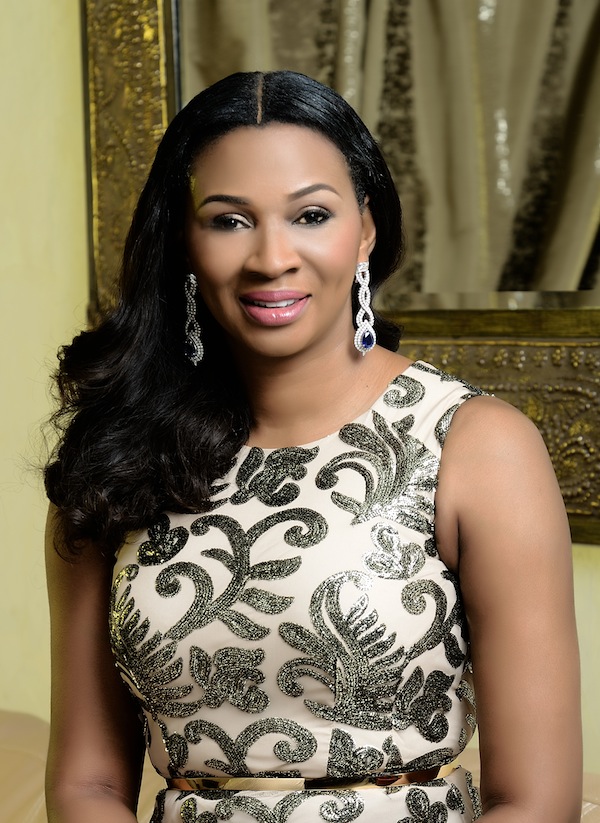
As each year passed, the recognition, respect and number of delegates both the local and international scene have continued to swell. And so did the level of attention globally as the film world now pays attention to the huge event brought about by a young woman who dared to believe.
Beyond any doubt, AFRIFF 2014 has firmly cemented this festival’s standing and claim to being the biggest film festival in Nigeria and arguably one of the biggest across Africa.
Sponsors of the festival for 2014 include Multichoice Nigeria, Arik Air, Ministry of Tourism, Culture & National Orientation, Restless Talent Management, FilmHouse Cinemas and the Cross River State Government and they all combined to make the 2014 edition of the festival a truly memorable event.
This year, the festival recorded the attendance of film stakeholders from Algeria, Angola, Botswana, DRC, Egypt, Ethiopia, Ghana, Kenya, Guinea, Malawi, Mali, Rwanda, Senegal, South Africa, Tanzania, Uganda, UK, USA, Zimbabwe, and Cameroon.
In flying over 300 people to Calabar from Lagos and back to Nigeria’s commercial hub aside the other areas of expenses, organisers of the festival incurred hundred of millions for the 2014 edition.
With a total of three aircrafts chartered for the Lagos-Calabar-Lagos route while the festival lasted, the full booking of the Tinapa Lakeside Hotel for the entire duration of the festival as well as two other top class hotels across the city, millions were spent on accommodation and transportation.
NET investigations revealed that an average room at the other hotels goes for a minimum of N30, 000 daily while at the Tinapa Lake Hotel, the cheapest suite costs about N40, 000 in the executive 243-room highbrow hotel and NET estimations indicate that N120m must have gone into accommodating guests including media personnel, movie practitioners and stakeholders.
Added to this is the fact that all guests were fed breakfast and dinner daily all through the 7-day event as well as drinks during the several night parties and sessions at Tinapa, the bills of which were picked by the organisers as well.
Guests, celebrities, delegates and media representatives were chauffeur-driven around Calabar in luxury buses all through the course of the festival while several billboards, banners and posters could be seen all across the city as organisers spared no cost to ensure the maximum level of awareness was not only generated for the event but sustained all through.
Special customised AFRIFF 2014 power bank units were given to all special guests, delegates and media personnel at the event along with other branded gift items like bags, T-shirts, pens and other items given out to all those who took part in the film festival.
With an estimated sum of N20m for feeding, N5m for transportation within Calabar through dedicated luxury buses and N50m for publicity & media, costs were already racing towards N200m.
Added to this is the prize money for the awards gulping about N10m while the scholarship initiative for 10 students who will be sent to the United States will cost around N30m.
This year, cash prizes for the award categories range from $3,000 to $4,000 depending on the category and there were a total of 12 categories of the awards section.
Other winners on the closing night were: Category of the Jury Award for Outstanding Film for Om Amira by Naji Ismail, Best Student Short film for Aisha’s Story by Iquo Essien, Best Short Film for Stiff by Samantha Nell, Best Documentary for The Supreme Price by Joana Lipper and co-produced by Tunde Kelani, Audience Choice Award for Gone Too Far by Bola Agbaje and Destiny Ekaragha, Best Actress for Thishiwe Ziqubu (Hard to Get) while Best Nigerian Film went to Ojuju by CJ Fiery Obasi and Best Director was: Andrew Dosunmu (Mother of George).
Special Recognition Award for Contribution to Nollywood were handed out to Ramsey Nouah, Kate Henshaw, Genevieve Nnaji, Omotola Jalade-Ekehinde and Rita Dominic.
The expensive branded gift items for VIPs and all other category of guests gulped N15m while logistics fetched nothing less than N20m.
As earlier promised before the festival started, AFRIFF awarded a special scholarship to 10 students to study at a film academy in the United States of America, with the festival covering everything from tuition to flight tickets, accommodation and welfare of the students while in US.
The awardees are: Udoekpo Utibe Charles and Lekan Olarenwaju for Directing; Adeolu Adeniyi and Otobong Ekpeyong for Cinematography; Oluwabori Ijimakinde, Adelarin Awotedu and Lydia Gachuhi for Script writing and finally, Emeka Darlington, Hauwa Allahburh and Daniel Ezekiel for Acting.
According to NET estimations, a total of N350m was expended on the festival to ensure that this year’s festival not only lived up to its billing but also surpassed the expectations of many.
The figure also covers expenses on other areas of the festival such as logistics, staff, jury members and volunteers’ welfare/remuneration as well as publicity/media campaign costs.
Beyond the enormous sponsorship deals and huge budget that characterised the event, this year’s festival left an indelible mark and imprint on the lives of all who attended – especially the young filmmakers, actors and directors.
A 5-day intensive, reformative, and highly enlightening industry session was part of the festival as its customary. This year though, the focus was primarily on how to empower and liberate up and coming filmmakers and ensure that they get to make a viable and sustainable living from their chosen profession.
Topics ranging from Finance for film workshop, Film marketing, Demystifying distribution in Nigeria, Relativity Nollywood summit on piracy & digital distribution, to Art of film criticism, among many other topical issues were thoroughly treated at different classes and sessions during the festival week.
And as indicated in her address at the Gala/Awards Night, founder and CEO, Chioma Ude said AFRIFF has not only set a standard for other film festivals in Nigeria and indeed Africa but has also set a mark for herself and her team to beat come the 2015 edition
A breakdown of the figure is below…
1. Flights – N50m
2 Accommodation – N120m
3. Feeding – N20m
4. Transportation within Calabar with festival luxury buses – N5m
5. Publicity & Media – N50m
6. Prize money – N10m
7. Scholarship initiative – N30m
8. Branded gift items – N15m
9. Logistics: N20m
10 Remuneration for staff, jury members, and volunteers – N30m.