


In the ever-turbulent waters of the Nigerian entertainment industry, few sagas have gripped the nation quite like the tragic death of Ilerioluwa Aloba, popularly known as Mohbad, and the subsequent storm surrounding his former label boss, Naira Marley.
This morning, Naira Marley broke his prolonged silence, releasing a video where he vehemently denied ‘any involvement’ in Mohbad’s demise, a stance he has maintained since the musician’s untimely passing in 2023.
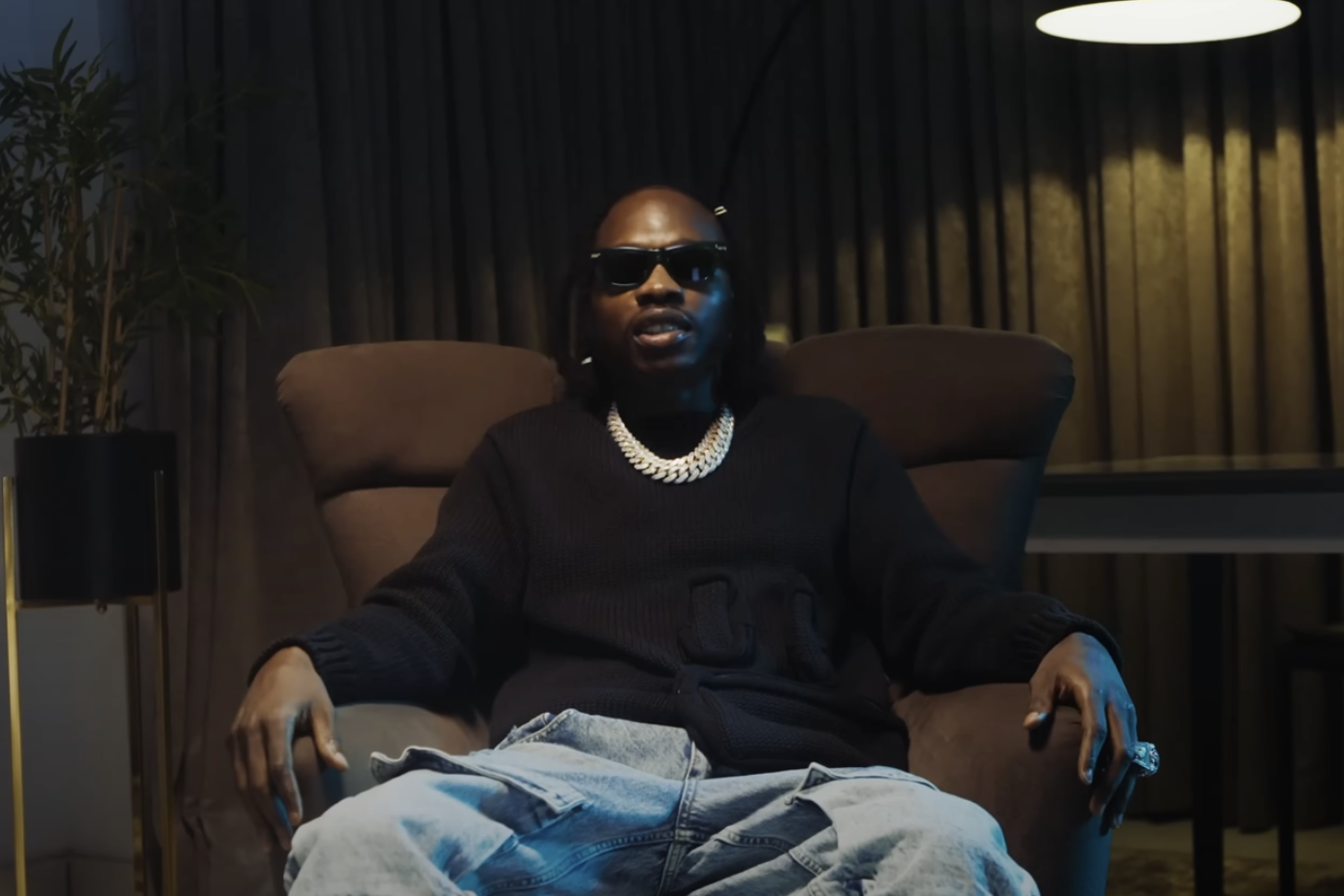
The well-edited video explained that neither he nor Sam Larry was in the country when the unfortunate incident happened. He claimed to be the victim of a public witchhunt, a smear campaign, and unfair treatment from the Nigerian police, and he pointed fingers at other potential suspects, including Mohbad’s widow.
Yet, he missed the most crucial point. The core of the public’s outrage wasn’t necessarily a direct accusation of murder, but a profound disappointment in what was perceived as a failure of responsibility. A line from Chinua Achebe’s transgenerational masterpiece Things Fall Apart captures Nigerians’ thoughts. “That boy calls you father. Do not bear a hand in his death.”
As Mohbad’s record label owner and a senior colleague, Naira Marley was expected to be a protector, a mentor, and a friend. While there is no physical evidence that Naira Marley killed him, the allegations of bullying, both physical and cyber, will forever plague his image in the court of public opinion, even if he did raise some points that warrant consideration.
He insinuated that he had little to gain from Mohbad’s death, a logical argument that, on its own, might hold water. However, his immediate reactions on social media and certain song lyrics released around that period did little to help his case, instead painting a picture of insensitivity and perhaps even culpability.
While the facts might eventually exonerate him from direct involvement in Mohbad’s death, it will undoubtedly take a considerable amount of time for Nigerians to absolve him of any role in the deterioration of Mohbad’s mental health, even before his passing.
The saga took another dramatic turn with the involvement of actress and activist Iyabo Ojo. Iyabo Ojo, who has been a vocal advocate for justice for Mohbad, found herself entangled in the narrative, particularly concerning allegations and counter-allegations surrounding DNA tests and attempts to frame individuals. Her passionate involvement, while lauded by many, also drew criticism and scrutiny, highlighting the complex and often messy nature of public advocacy in high-profile cases.
The Coroner’s Court inquiring into Mohbad’s death recently ruled out foul play or homicide, attributing his death to medical negligence. This finding, while providing a legal conclusion, does not necessarily erase the public’s emotional and moral judgments. The legal truth and the perceived truth often diverge, especially when deeply ingrained sentiments are involved. The coroner’s report, which also recommended the prosecution of a nurse, shifts the legal focus, but the court of public opinion, particularly concerning Naira Marley’s perceived role in Mohbad’s well-being, remains in session.
While we may have come to accept that we may never know the complete truth surrounding Mohbad’s death, the internet remembers, and the scars of those online attacks, often linked to his camp, run deep in the collective memory of fans and observers.
Yet the heavy cloud of controversy, there’s a cynical yet plausible prediction to be made. Nigerians, for all their passionate outrage, often have short memories. The lack of concrete evidence directly linking Naira Marley to Mohbad’s death, coupled with the coroner’s findings, might, in the long run, work in his favour.
I suspect that Naira Marley will attempt a comeback later this year. Perhaps with a poignant tribute song to Mohbad, coupled with other songs featuring his signature catchy tunes, raw lyrics, and dance steps, he might just manage to sway public sentiment.
It’s a grim thought, but the allure of a dirty December, fueled by his music, might prove too strong for many to resist. The music industry, after all, thrives on spectacle and redemption narratives, however uncomfortable they may be.

