Legendary actor James Earl Jones, known for his deep, commanding voice and a career that spanned more than six decades, died on Monday morning at his home in Dutchess County, New York.
He was 93 years old, his representative confirmed to Variety.
Jones, celebrated for his portrayal of some of cinema’s most iconic characters, is perhaps best remembered as the voice of Darth Vader in the Star Wars franchise. His unmistakable baritone brought the infamous villain to life, creating one of the most memorable voices in film history.
However, Jones’ career went far beyond the galaxy far, far away, as he became one of the most distinguished and pioneering Black actors of his generation.
Overcoming Challenges and Building a Lasting Legacy
Born in 1931 in Arkabutla, Mississippi, Jones faced a profound stutter as a child, which left him largely silent for years. It wasn’t until high school, with the encouragement of a teacher, that he began to overcome his speech impediment. This was the beginning of a journey that would see Jones become one of the greatest actors of his time.
He made his Broadway debut in 1958 at the Cort Theatre, which was renamed in his honour in 2022. Throughout his career, Jones took on a variety of roles across film, television, and stage, earning accolades for his versatility.
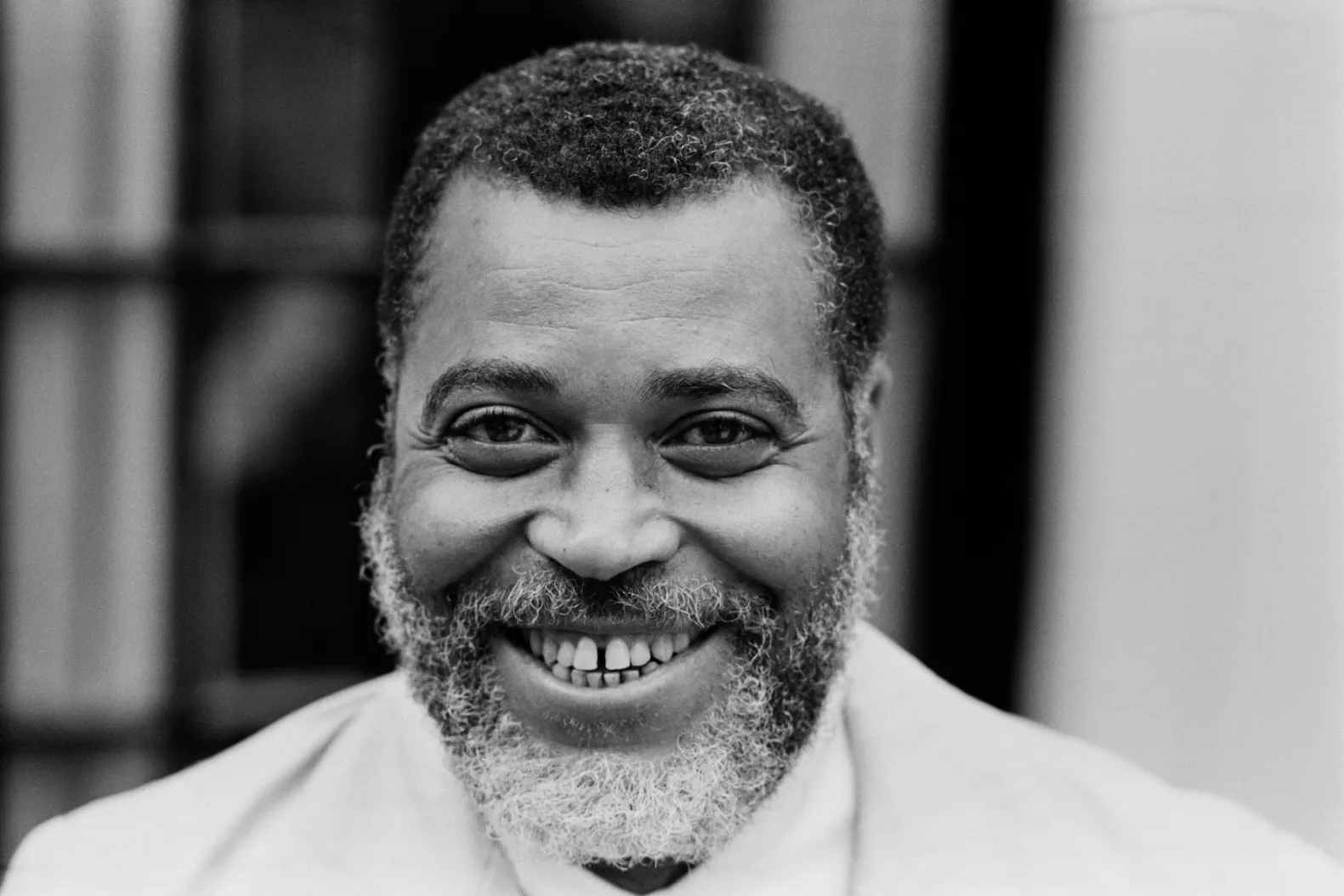
His early performances included portraying boxer Jack Johnson in The Great White Hope (1969), for which he won a Tony Award and earned an Oscar nomination for the film adaptation.
He also took on iconic roles like King Jaffe Joffer in Coming to America (1988), CIA deputy director James Greer in three Jack Ryan movies, and the voice of Mufasa in Disney’s The Lion King (1994).
Jones’ body of work also extended to Shakespearean roles, including Othello and Macbeth, for Joseph Papp’s American Shakespeare Festival. His distinctive voice made him a natural choice for narration, famously delivering the tagline, “This is CNN” for the news network, and narrating documentaries like Malcolm X (1972) and Earth (2007).
Acclaim Across Stage, Screen, and Television
Jones’ career was decorated with numerous honours. He was nominated for four Tony Awards, winning two, and earned eight Primetime Emmy nominations, winning twice in 1991.
He also received a Grammy Award for his spoken word album, making him one of the few performers to achieve an EGOT (Emmy, Grammy, Oscar, and Tony). His contributions to the entertainment industry were recognized with a Kennedy Center Honor in 2002, the Screen Actors Guild Life Achievement Award in 2009, and an honorary Oscar in 2011.
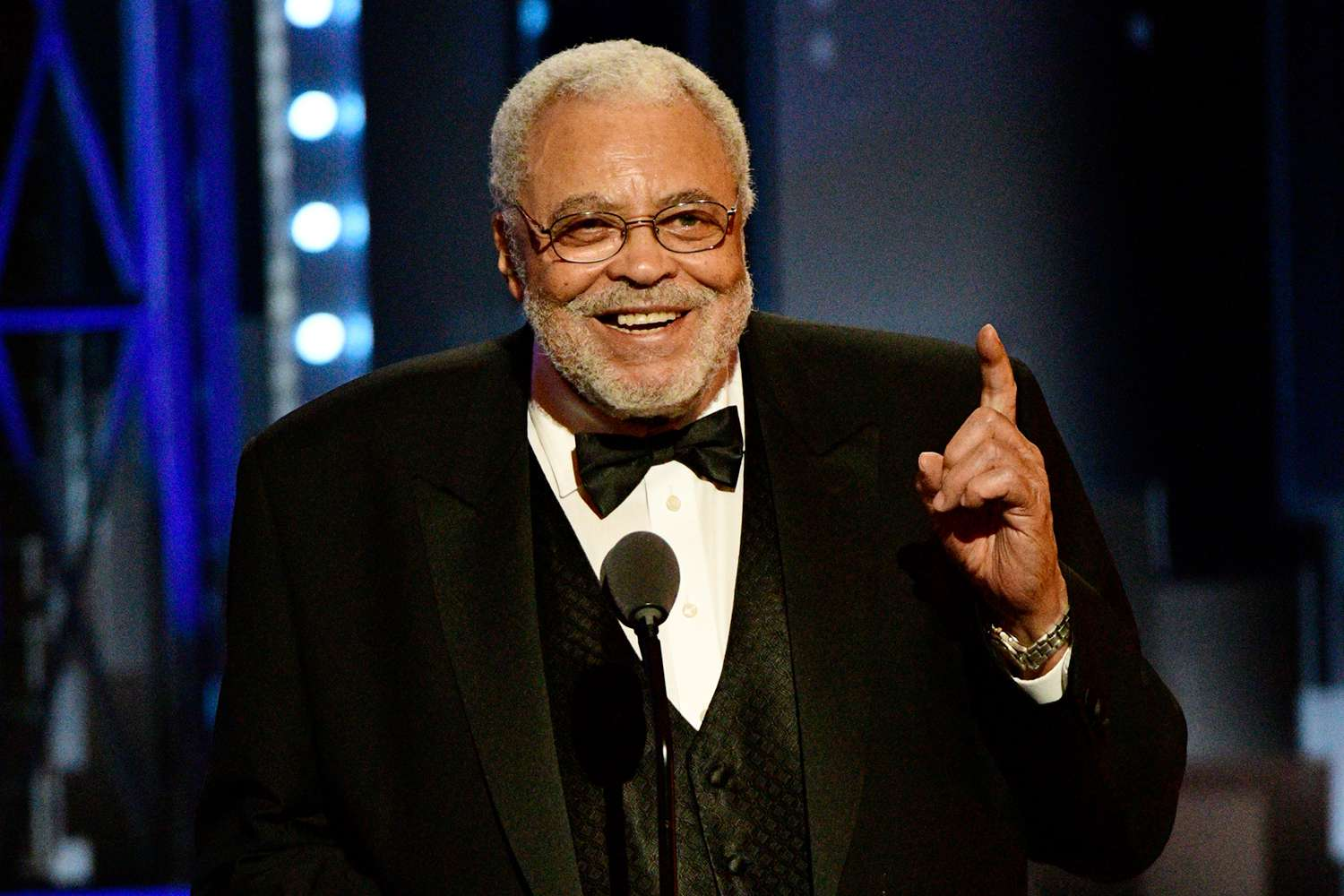
Despite these prestigious accolades, Jones remained humble throughout his career. Reflecting on his longevity in the industry in 2014, he told The New York Times, “The secret is never forgetting that you’re a journeyman actor… nothing is your final thing, nothing is your greatest thing, nothing is your worst thing.”
A Legacy of Unforgettable Roles
James Earl Jones’ influence extended far beyond the stage and screen. His role as Darth Vader became a pop culture phenomenon, although he initially declined on-screen credit for his voice work out of respect for David Prowse, who portrayed Vader physically. By the time of Return of the Jedi in 1983, Jones was fully credited, solidifying his place as the voice of one of cinema’s most iconic villains.
He reprised his role as Darth Vader in various films, including Revenge of the Sith (2005) and Rogue One (2016). For the 2022 Disney+ series Obi-Wan Kenobi, Lucasfilm used archival recordings and AI technology to recreate Vader’s voice, with Jones’ permission.
In addition to his film work, Jones made significant contributions to television, with over 70 credits that included Roots, The Atlanta Child Murders, L.A. Law, and Everwood. He also made guest appearances in shows like The Simpsons, Frasier, and Law & Order.
A Timeless Presence on Stage
Jones was a consistent force on Broadway well into his later years. In 2005, he returned to the stage in On Golden Pond, earning another Tony nomination. He continued with acclaimed roles in Cat on a Hot Tin Roof (2008) and Driving Miss Daisy (2010-2011), which took him to London’s West End.
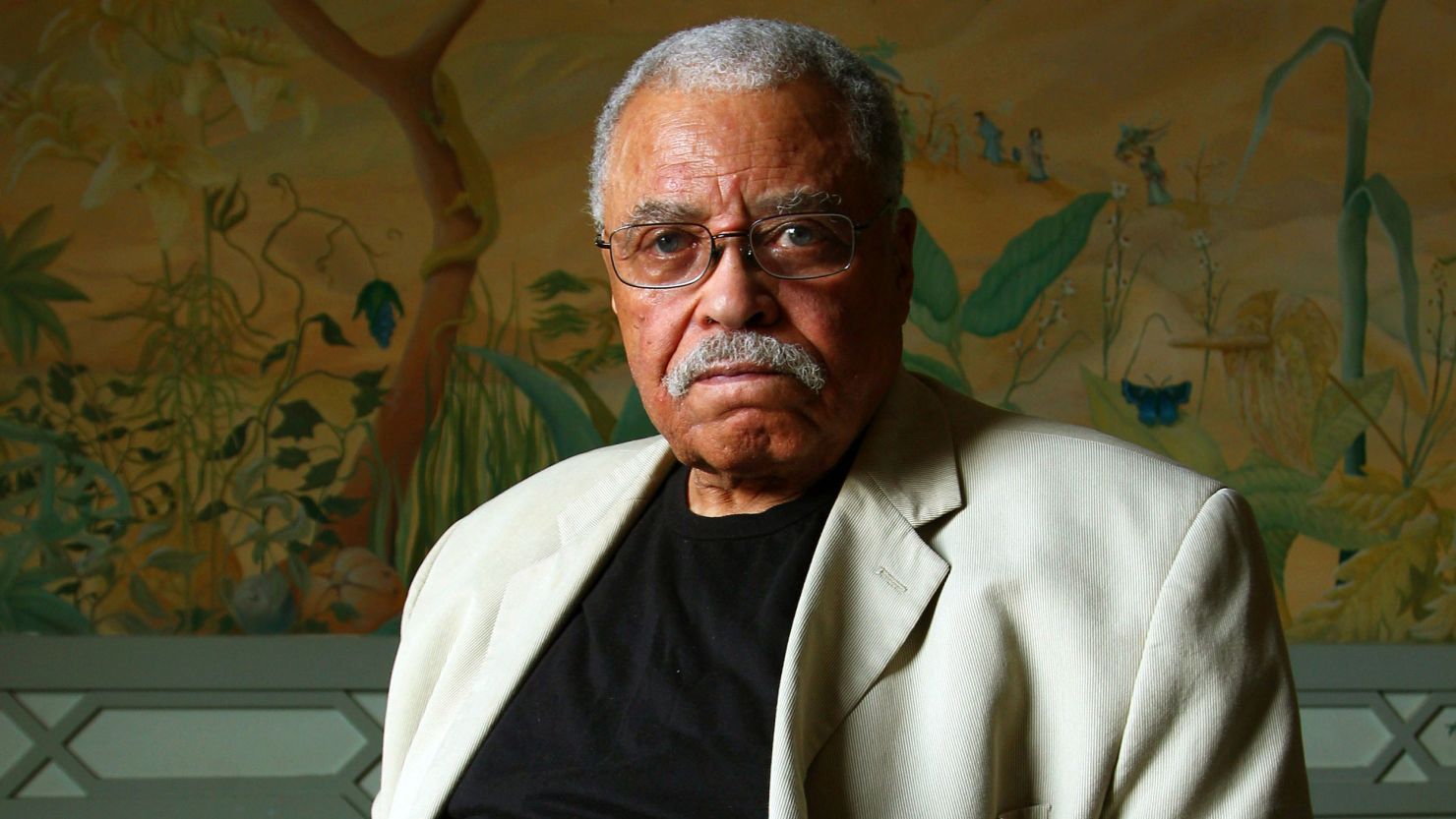
His contributions to theatre were as notable as his screen performances. Jones consistently elevated the roles he portrayed, bringing gravitas to productions that might have otherwise been overlooked.
James Earl Jones is survived by his son, Flynn Earl Jones. His first wife, actress-singer Julienne Marie, and his second wife, actress Cecilia Hart, preceded him in death. Jones and Hart had been married for 34 years until her passing in 2016.
As fans and colleagues alike reflect on the life and career of James Earl Jones, it’s clear that his impact on the entertainment world will continue to resonate for generations. From his thunderous voice to his commanding stage presence, Jones remains a towering figure in film, television, and theater history.