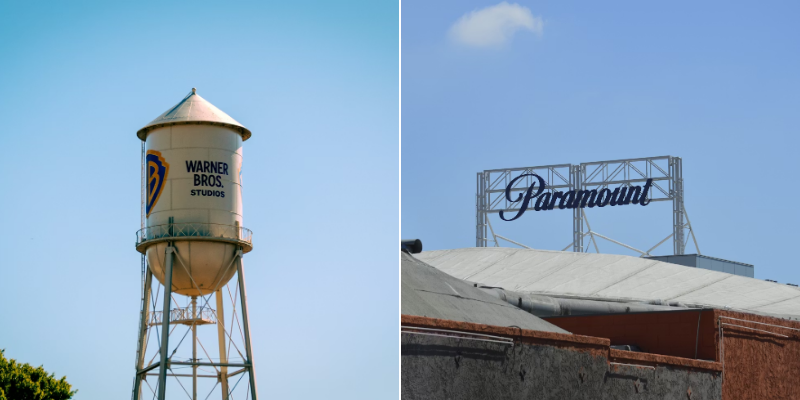
Warner Bros. Discovery said Wednesday it has rejected Paramount Skydance’s renewed offer and is urging shareholders to stick with its Netflix agreement. The board told investors that Paramount’s bid relies on highly leveraged financing and carries too much risk.
Warner’s leadership said the Netflix offer, announced December 5, provides greater certainty and value for shareholders. Under that agreement, Netflix will buy Warner’s studio and streaming units, including HBO and HBO Max, in a cash-and-stock transaction worth about $82.7 billion.
Paramount’s bid would acquire all of Warner Bros. Discovery through a leveraged buyout with significant debt financing. Warner’s board said this structure creates uncertainty about completion and could impose costs that outweigh the purchase price.
Directors reiterated their recommendation that shareholders reject Paramount’s offer. The board reviewed the revised approach and concluded it doesn’t meet the criteria of a “superior proposal” under the Netflix merger agreement.
Paramount launched its unsolicited bid shortly after the Netflix deal was announced in early December and has repeatedly tried to win over Warner shareholders. The board’s latest letter makes clear it still views Netflix as the more secure path forward.
The Netflix deal remains subject to regulatory review and is expected to take many months to complete. Paramount hasn’t committed to withdrawing its offer, and the battle for shareholder support may continue in the coming weeks.
What the Netflix merger agreement says and what happens if someone walks away
Warner Bros. Discovery’s merger agreement with Netflix includes specific conditions and remedies for both parties.
Warner must pay Netflix roughly $2.8 billion if it cancels the deal to accept a superior offer. This termination fee compensates Netflix for its time, effort, and risk.
Netflix agreed to pay Warner a larger reverse fee of about $5.8 billion if the transaction can’t close due to regulatory obstacles or Netflix’s inability to satisfy closing conditions. This protects Warner’s shareholders if the merger collapses through no fault of Warner.
The agreement contains a standard superior proposal clause that allows Warner to consider other bids, but only if they offer better value and are likely to close. The board has concluded Paramount’s bid doesn’t meet that standard because of financing risks and uncertainty about completion.
If Warner withdrew to accept an offer that doesn’t meet the contract’s criteria, it would owe the breakup fee, and Netflix could pursue legal recourse or seek damages.
The deal cannot close until regulatory approvals are obtained and is set to be completed sometime in 2027. If regulators block it, Netflix would owe Warner the reverse termination fee, and both companies would be freed from the agreement.
Paramount hasn’t indicated it plans to withdraw and could try to persuade shareholders directly, increase its bid, or pursue legal avenues.