


Navigating Twitter can be tough, especially if you’re not regularly active as new slangs and styles of talking are introduced every other day. But no worries, whether you’re new to Twitter or just in the, *coughs* 30+ gang, we’ll help you make sense of it all.
1. Sco pa tu manaa
This has been popularized on Twitter to ask people’s opinions on certain issues or experiences. For example, you can have a picture of a school with the caption sco pa tu manaa. This simply means people should share their opinions about school or experiences they’ve had in school.

The first known tweet which turned the phrase into a meme was posted on May 1st, 2019. Twitter user @MercedesSlimBoy posted the phrase with a picture of a sign that reads “Run for Your Life Int. Chapel”.
Outside Twitter, this word means completely different things. Sco pa tu manaa is of Hawaiian origin. It means “what experience does this remind you of” and also “I’ll hit you”.
2. Bomboclaat
On Twitter, this means “caption this”. You put an image, usually, a funny reaction meme that’s easy to put a witty caption to, with the caption ‘bomboclaat’ and different people respond with different captions describing the pictures.

The first known use of the Bomboclaat meme was on September 3rd 2019. Twitter user @rudebwoy_lamz shared two images from the American animated comedy series CatDog with the caption “Bomboclaat”. The post received more than 13k likes and 3.3k retweets.
In the real world, bomboclaat is a Jamaican word. It is mainly used as a curse word, but it can also be used to express surprise, happiness, excitement etc. The way Americans use the F word.
3. God when
This one is a no-brainer, it simply means “when will it be my turn” or “when will this happen to me too”.
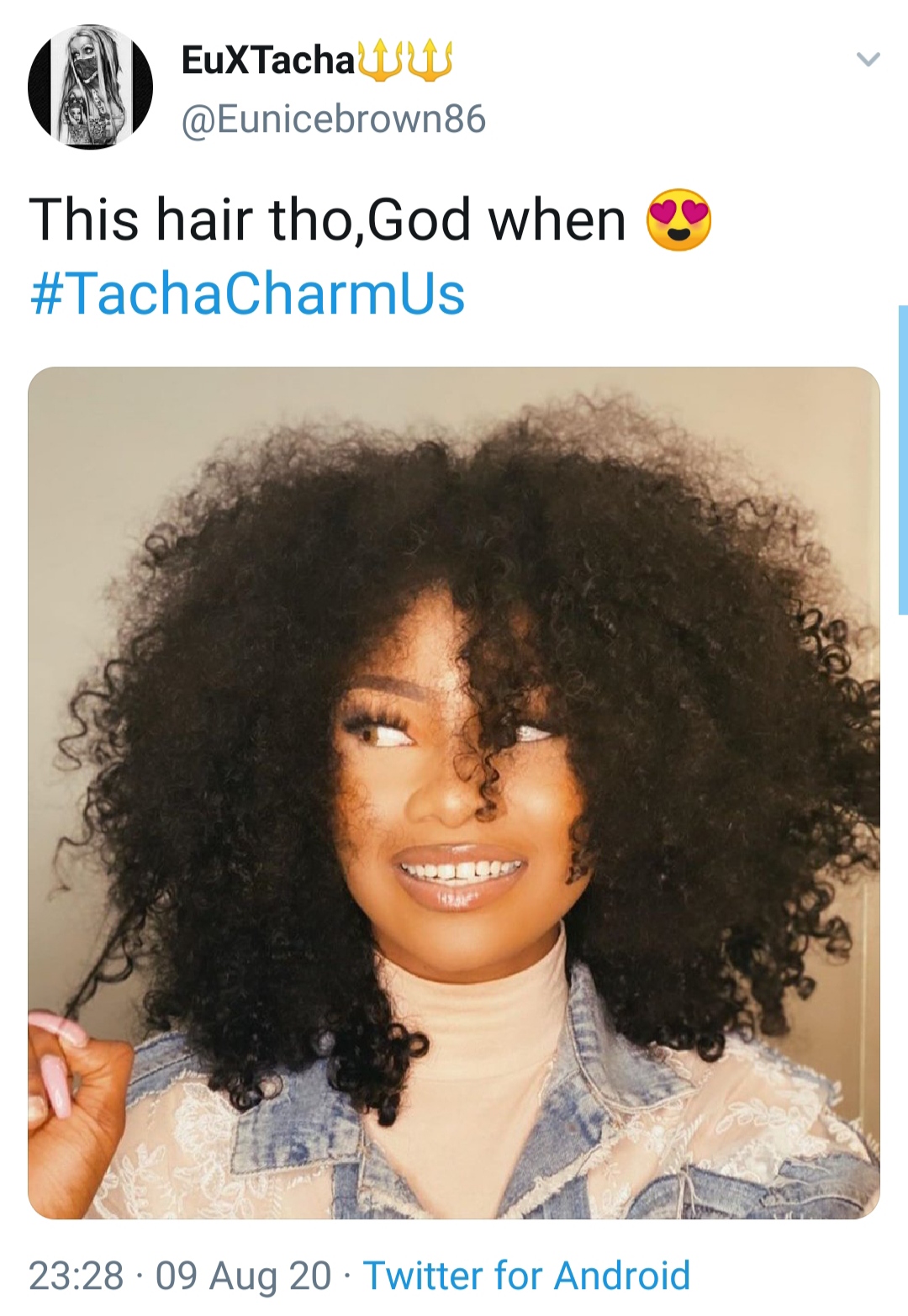
This is usually used in situations when you see something and you want that thing to happen to you, or want it for yourself. For example, a couple posts a picture together and the reply section is filled with “God when” comments from people who also want to be in relationships, or cuddled up with their partners at that time.
4. IYKYK
This means ‘if you know you know’, shortened to IYKYK. It’s mostly used for situations where people can relate to what is happening, or understand the inside joke, so the story doesn’t need to be explained.
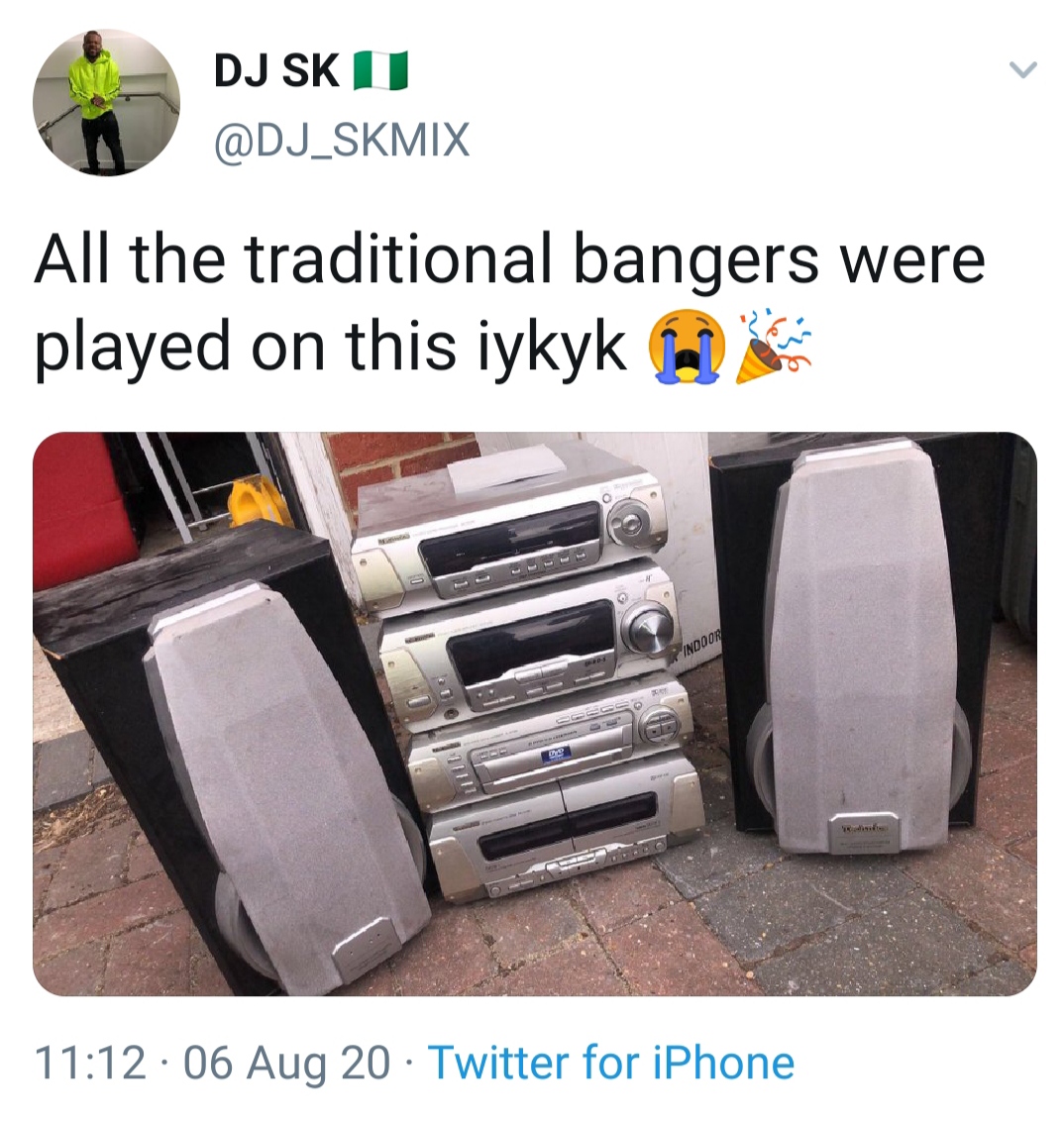
For example, if someone tweets “waking up on Saturday morning to your mum playing Christian songs iykyk” with a picture of cleaning supplies. People who see the tweet and who can relate to such experience will get the joke.
5. Period/Periodt
This is used to agree with the statement that someone else has made.
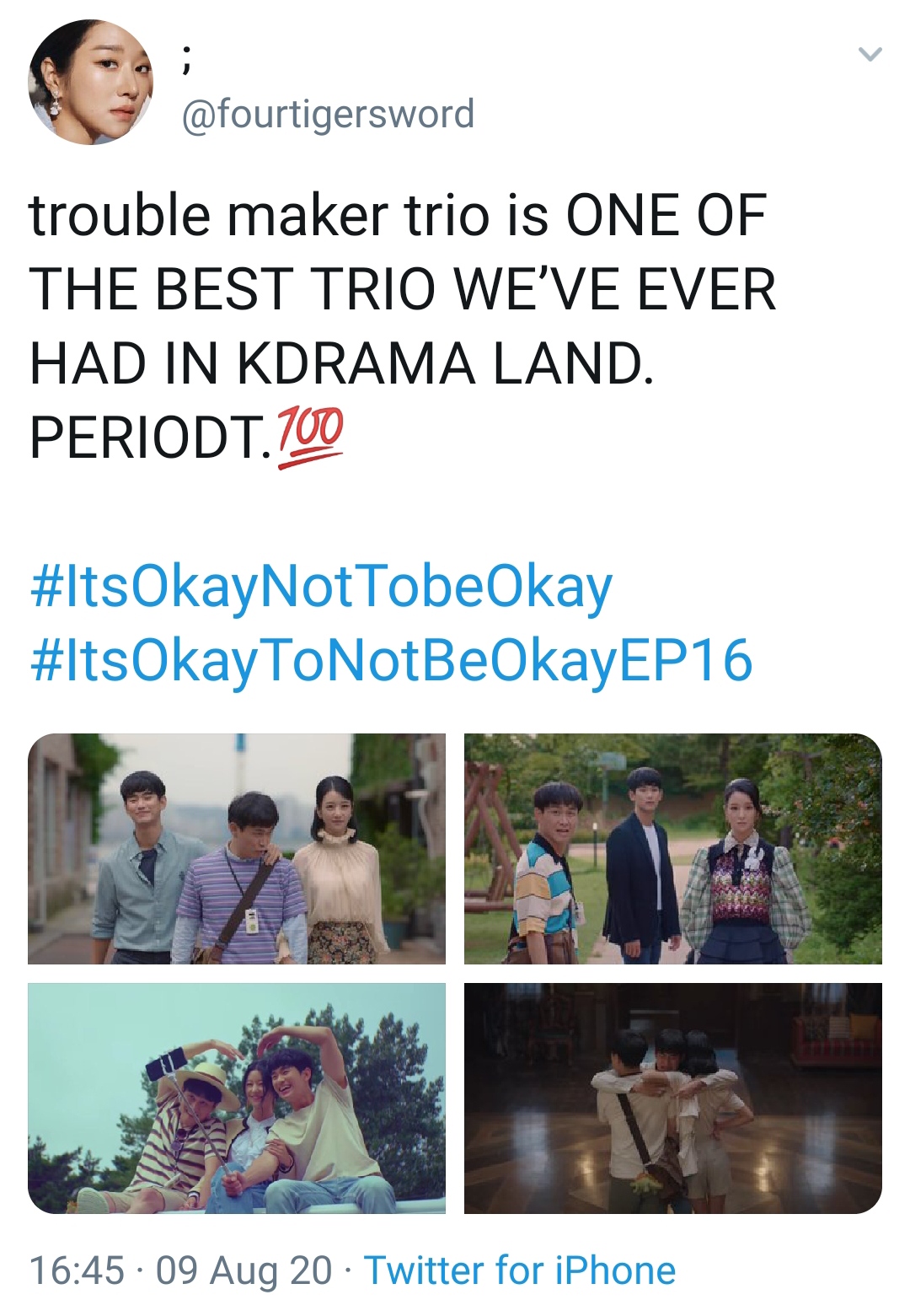
It’s also used to emphasize a statement that you have made. It is part of the African American Vernacular English (AAVE) that became popularized on Twitter.
6. S-worded
This just means suspended. Some people avoid saying the word because they believe the algorithm will pick them up and possibly mark them for suspension.
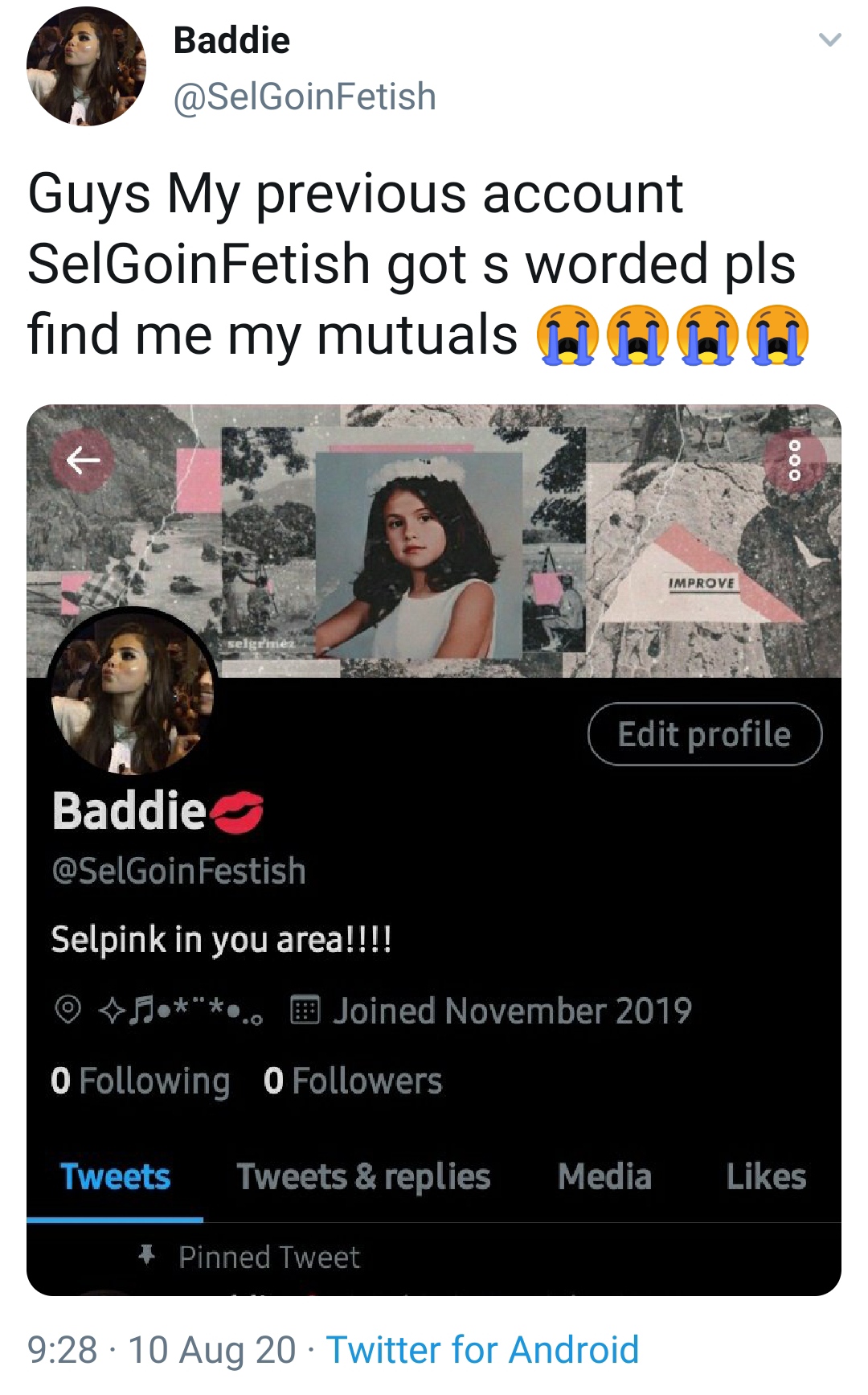
This theory hasn’t been proven, but the word is avoided nonetheless.
7. No Cap/Cap
In this phrase, cap means lie. So it loosely translates to “no lies”. So when someone makes a statement, if you agree that it is true, you can reply with “no cap”.
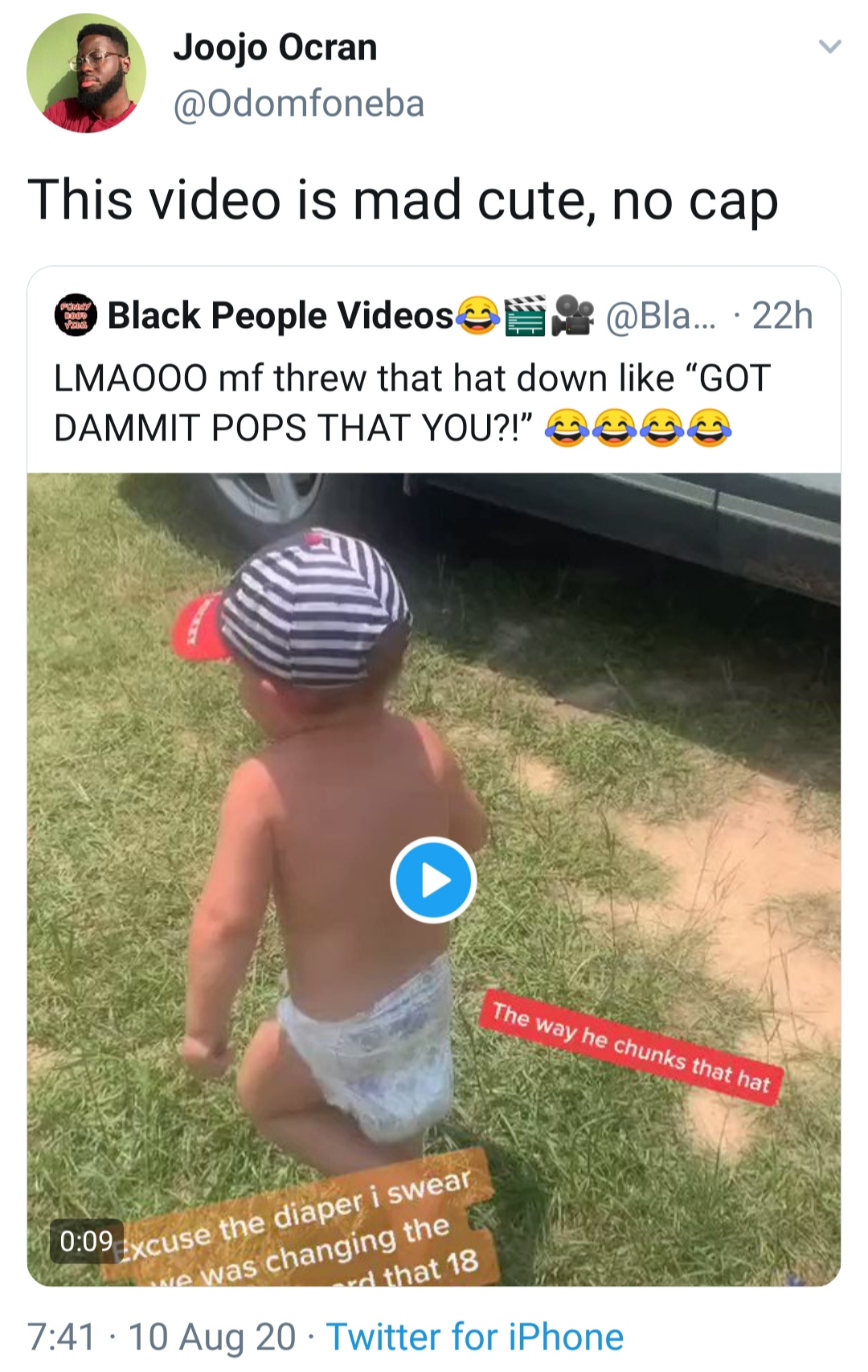
And if you feel they are lying, feel free to put all the cap emojis you want. It can also be used to emphasize the truth when you make your statements. For example, “pounded yam is the best swallow, no cap!” People won’t always agree with you, so be ready for some nice or not-so-nice conversations.
8. Mood
This word is basically when you relate to something, or you feel a certain way at a particular time and the tweet you see expresses that feeling.
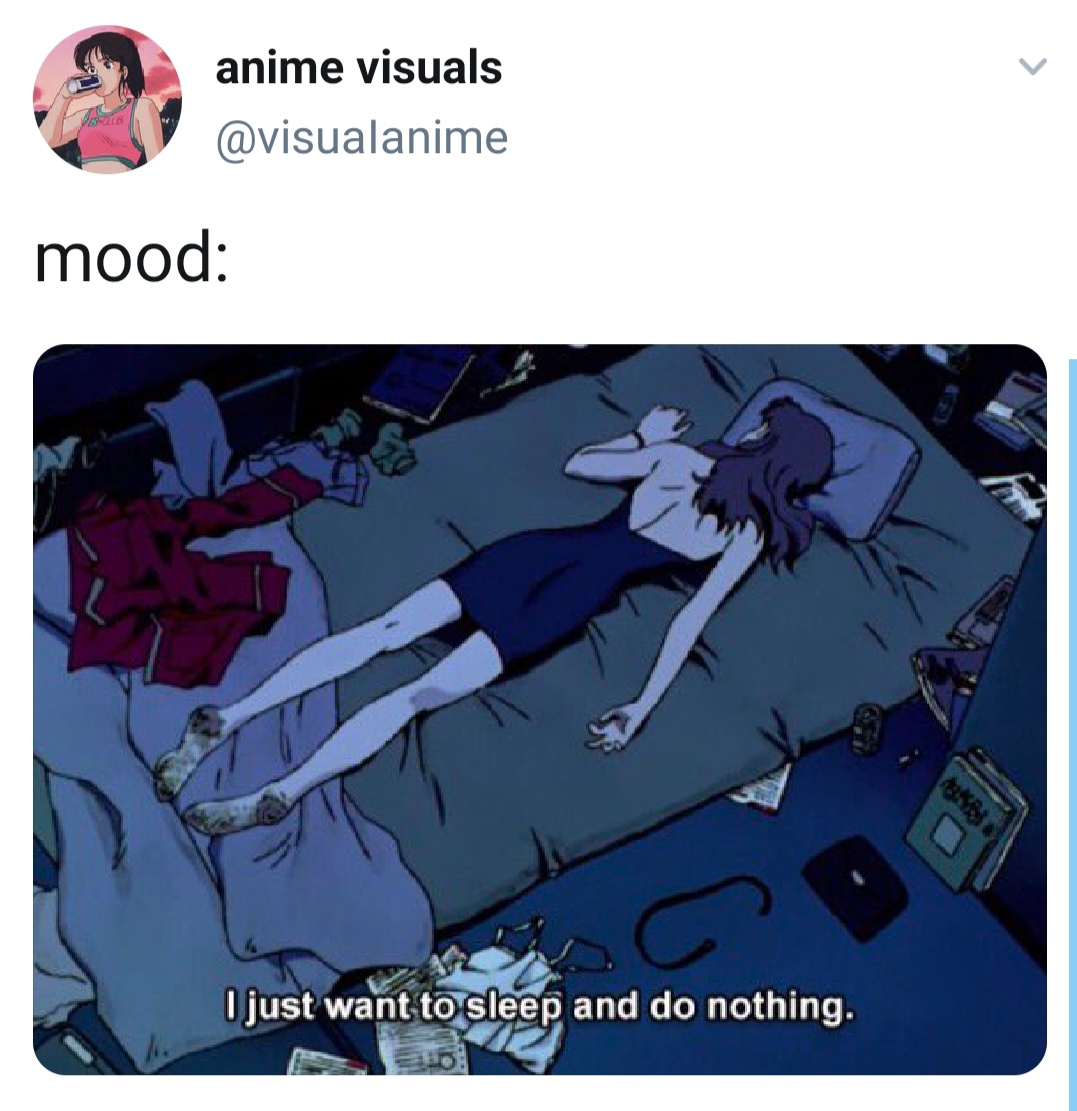
‘Mood’ is used to express that or agree with the tweet. It’s usually accompanied by an expressive picture or a video. Like the above image, this person simply saying they’re in the mood to sleep and do nothing.
9. This you?
This is used to refer to someone’s past actions, especially when it is contradicting their present action.
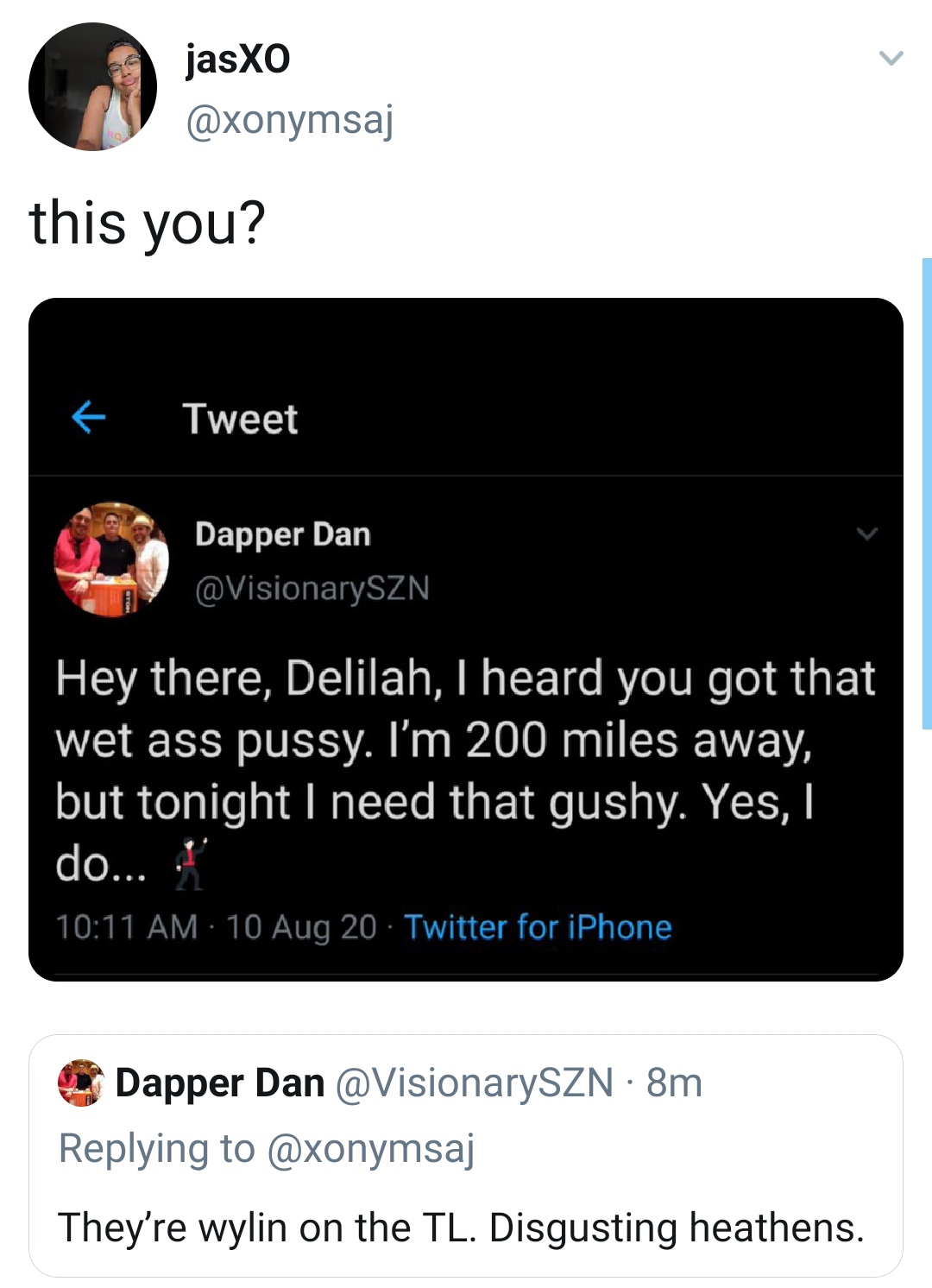
A way of saying “weren’t you the one who said this, why are you now saying that.” It’s usually used as a sarcastic reply to another statement. For example, if someone is condemning mangoes, but has a tweet from 2 years ago saying he loves mangoes. All you have to do is quote the new tweet with an image of the older tweet saying, “this you?”
10. Stan
Unlike its literal meaning, the word ‘stan’ is used to describe someone who is a dedicated fan of someone or as a verb which means “to follow”. It is also used to show approval of someone’s actions.
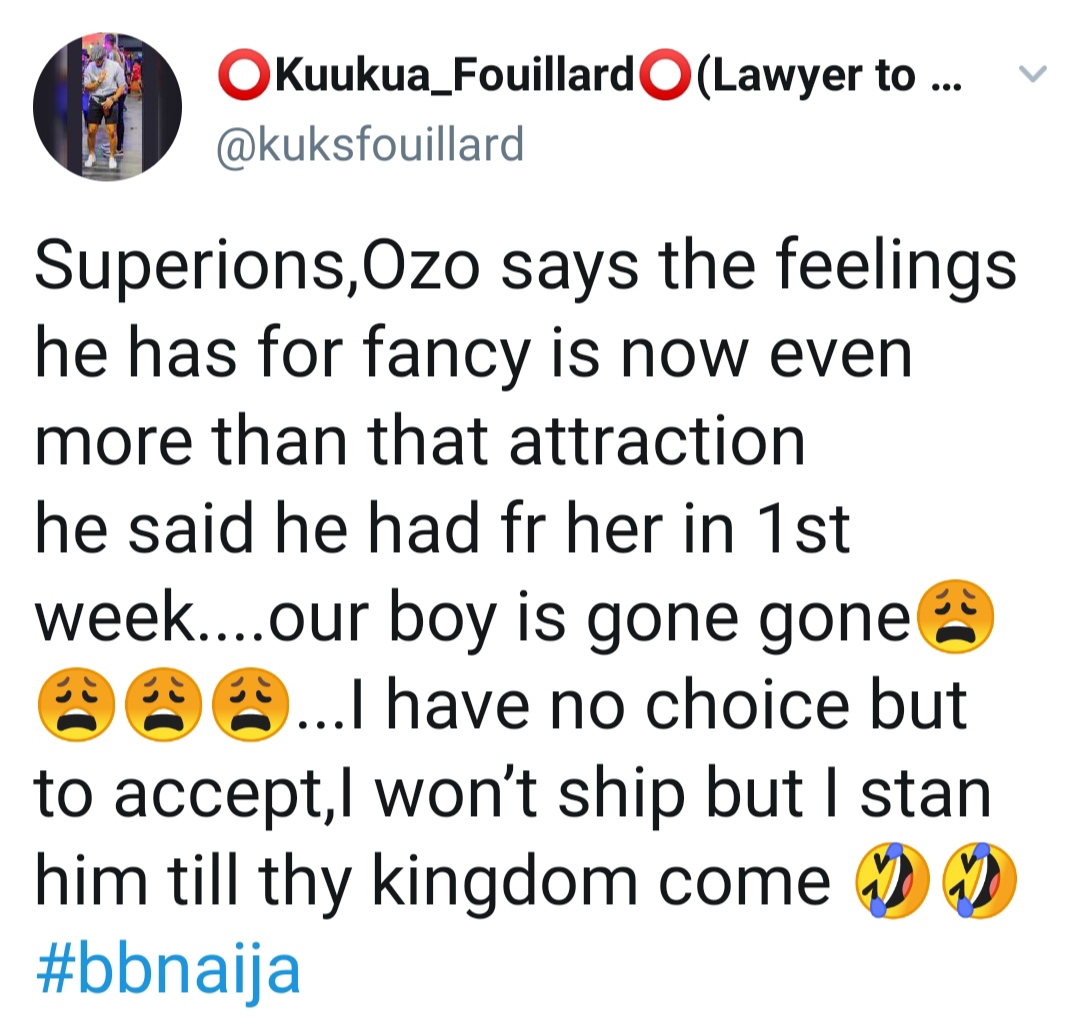
The origins of the word lie in Eminem’s 2000 hit song “Stan,” about an overzealous fan, and has come to describe anyone who takes their love of a particular artist or entertainment franchise to new extremes.
The word has since taken on a positive outlook and has almost replaced ‘fan’ in its meaning of someone who simply follows, or is interested in an artist or person.
11. UWU
This word is the derivative of a sound the one who makes when admiring something cute.
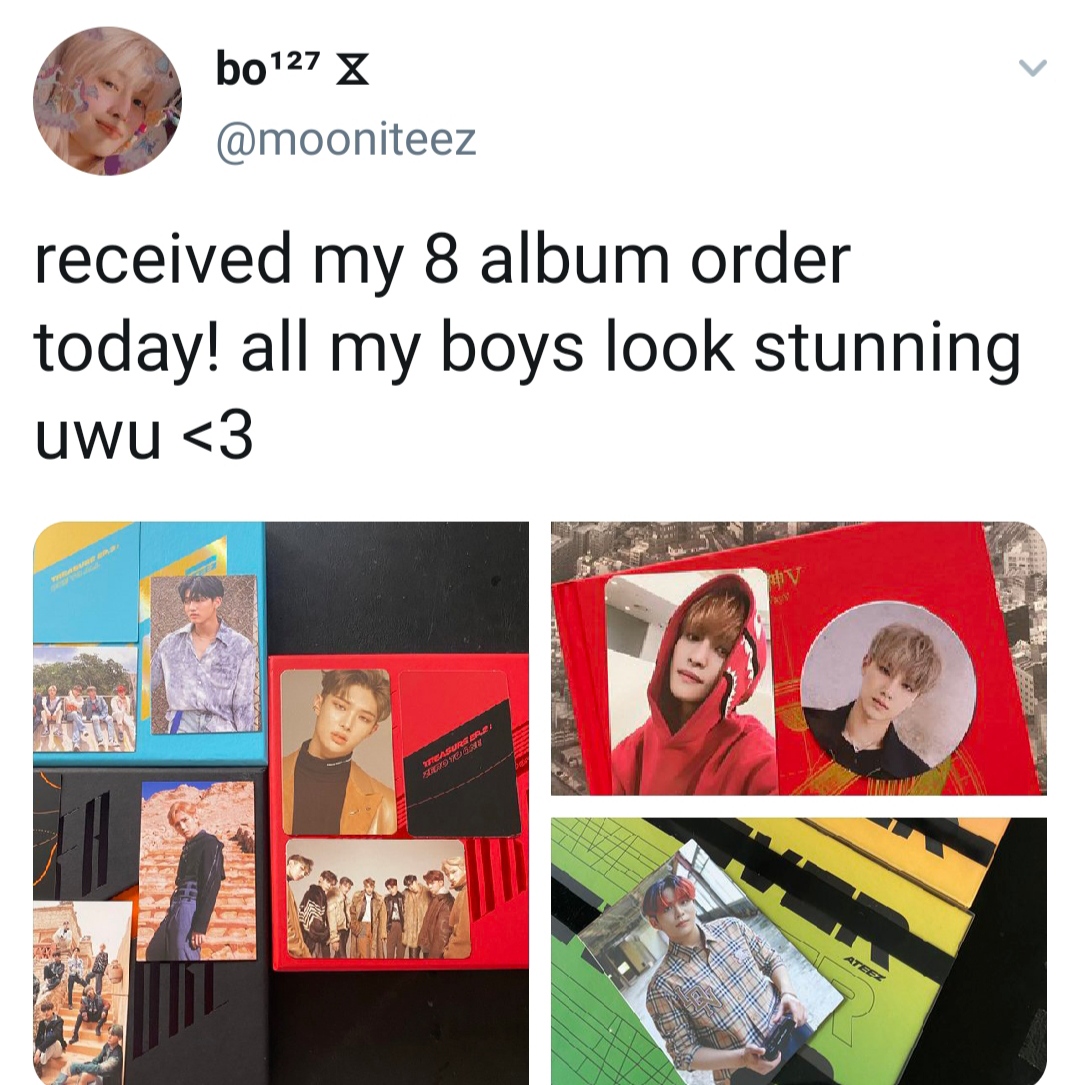
It’s used when someone is trying to express excitement over something cute, whether it is a video, a person or an image.
12. Normalize
This usually follows a statement that people feel should become a common occurrence or action.
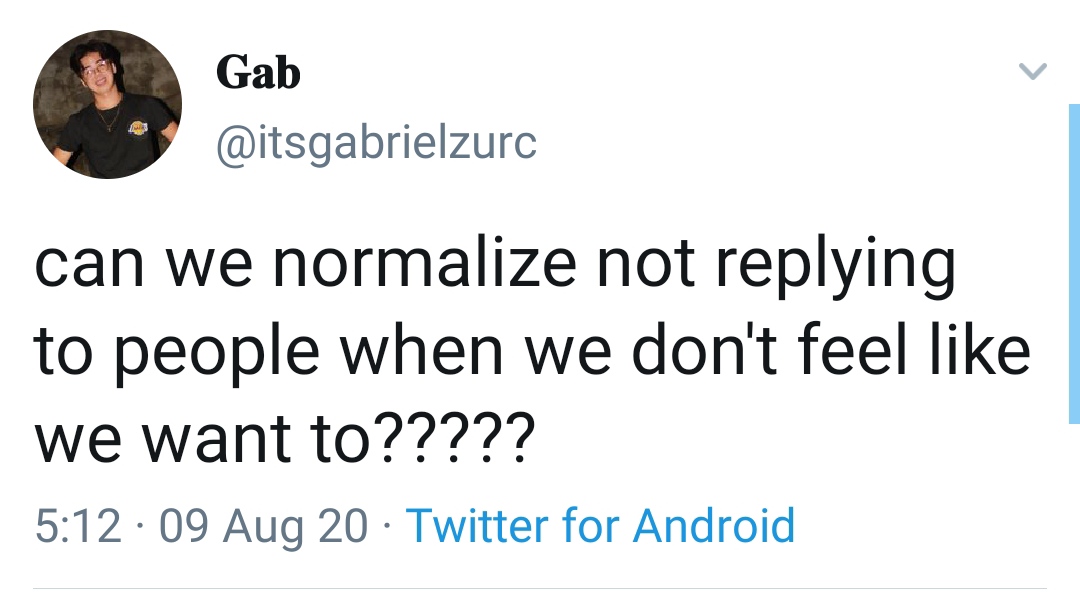
For example, if someone wants to talk about drinking water regularly, they would tweet “can we normalise drinking water regularly” or something similar.
13. Chile anyways
This is another AAVE term that spilt over into Twitter. It’s usually used when you want to move on from a topic to another topic.
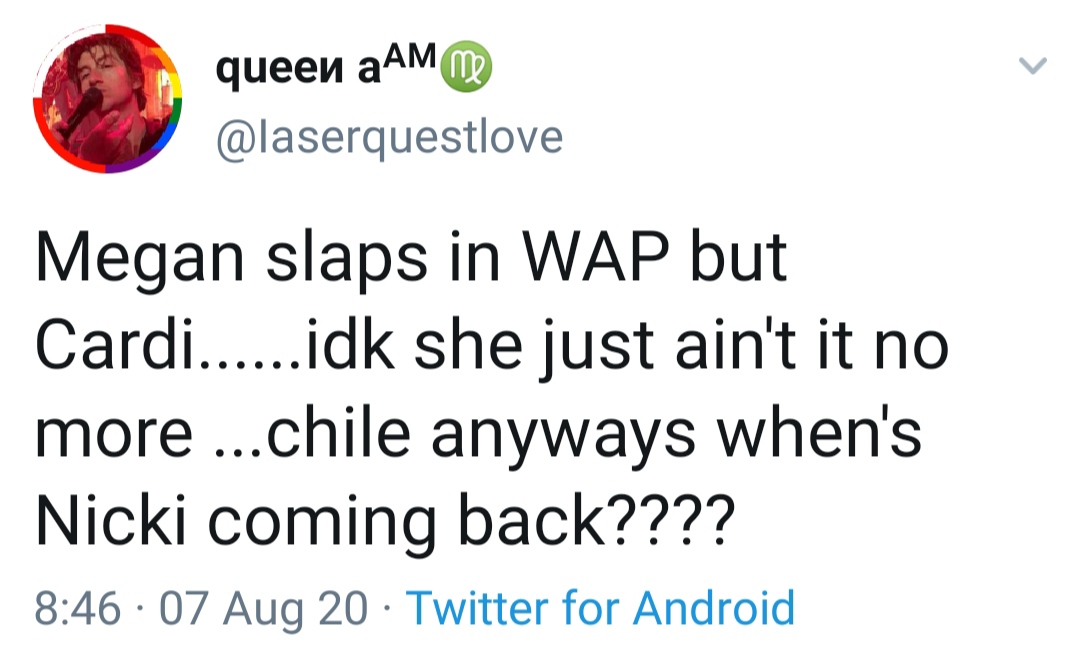
Sometimes, it is used to signal the end of a conversation on an issue, or as a dismissal. ‘Chile’ is pronounced as ‘child’.
This term was popularized on Twitter by fans of the award-winning rapper Nicki Minaj. It’s something she says often so her fans picked it up. Later in August 2019, she held an Instagram Live. The video has since gone viral and a lot of people have adopted the phrase.
14. YTS
Contrary to what people think, this does not mean YouTube. It is an abbreviation to refer to white people.
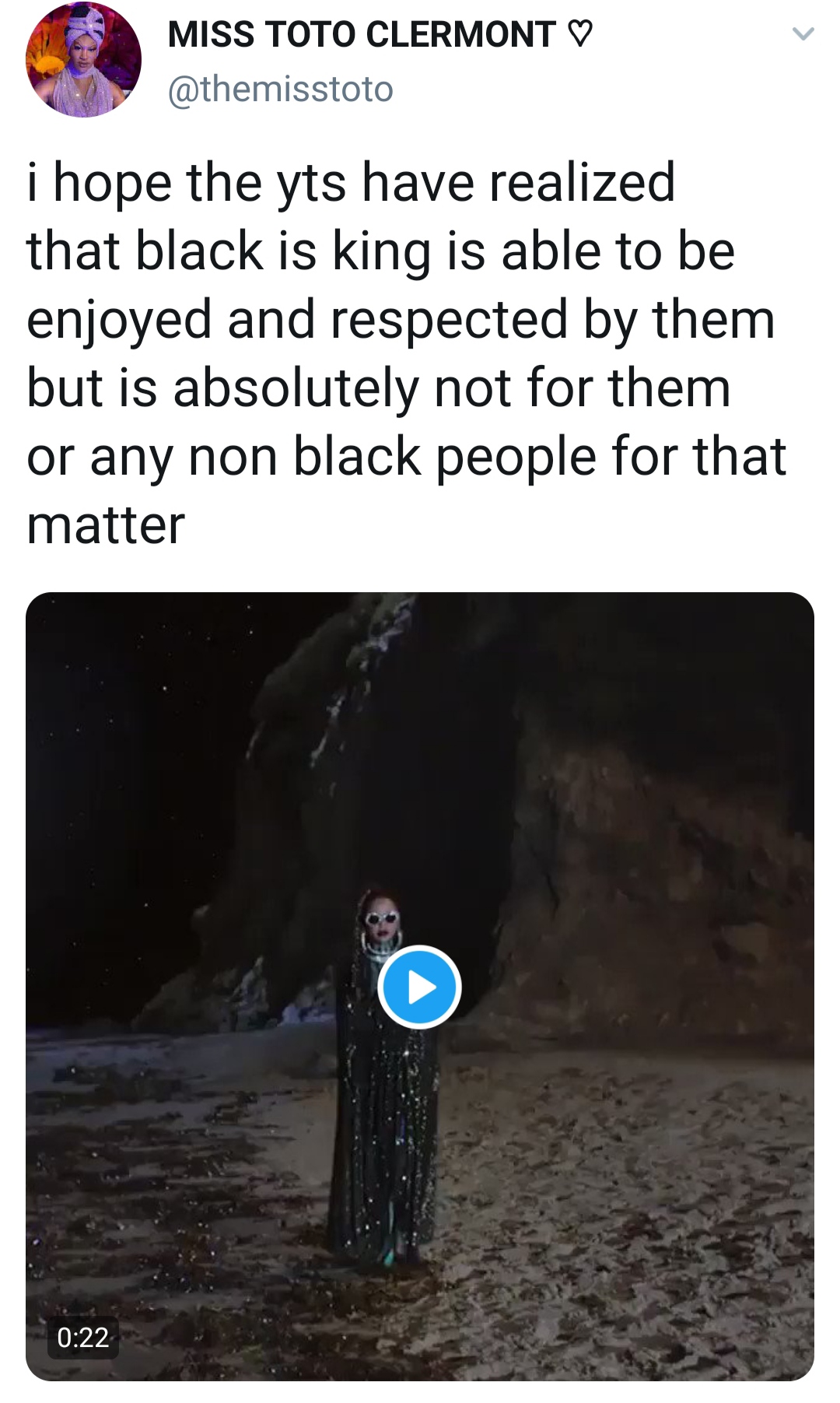
If you pronounce the letters at the same time, it sounds like ‘whites’. A lot of words are shortened on Twitter to typing faster and accommodate more words as Twitter has limited characters per tweet.
15. Cancelled aka cancel culture.
When someone is ‘cancelled’, it means people are condemning the person for something they have done that is considered bad.
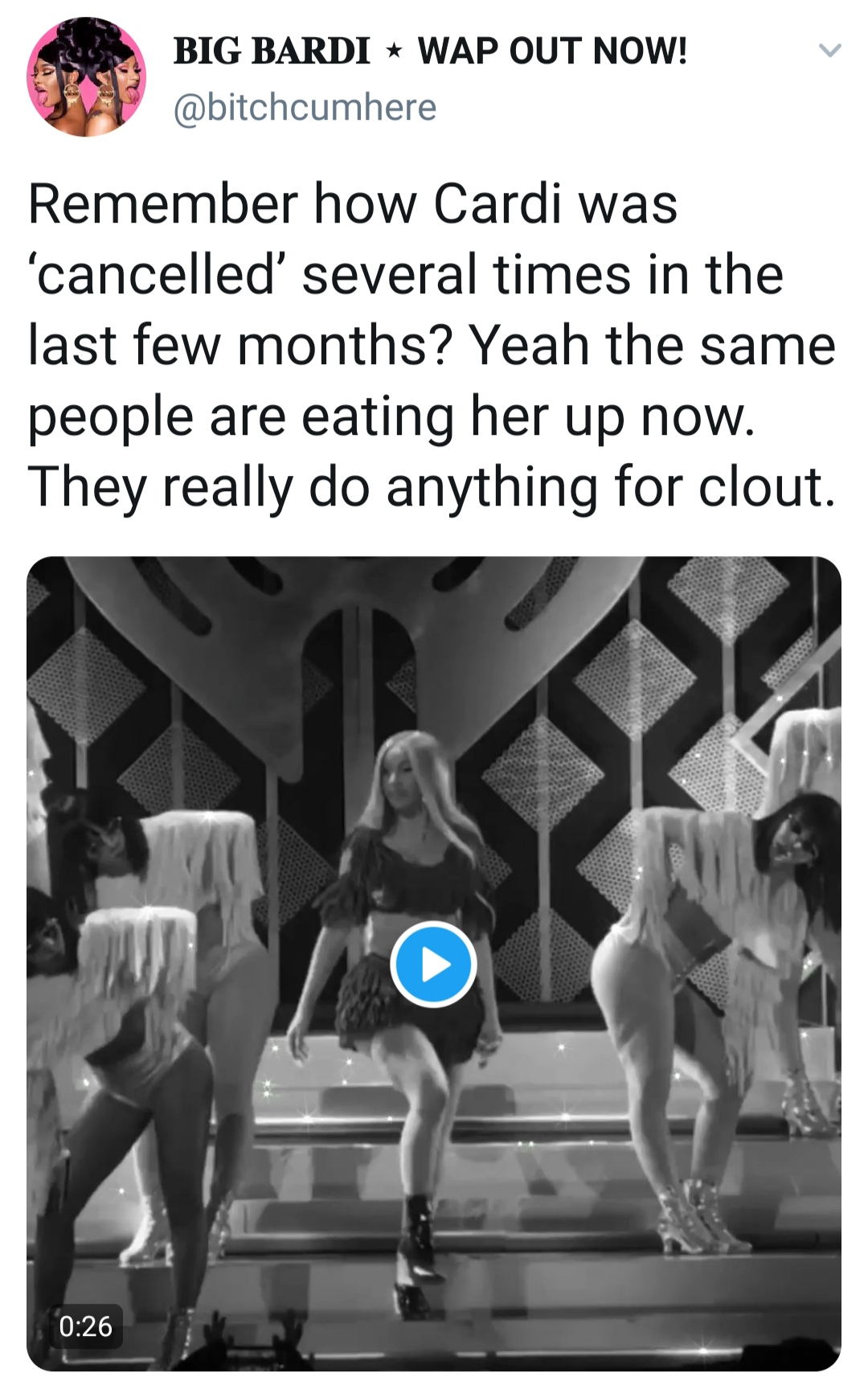
The term ‘cancel culture’ was created because it seems like every other day on Twitter, someone is being castigated for something they allegedly did or said.
Now that we’ve broken down some Twitter slangs for you, hopefully, you can navigate Twitter better, and also join in on fun conversations.
You can join our conversation by following us on @thenetng on Twitter.

