By Tobi Alli
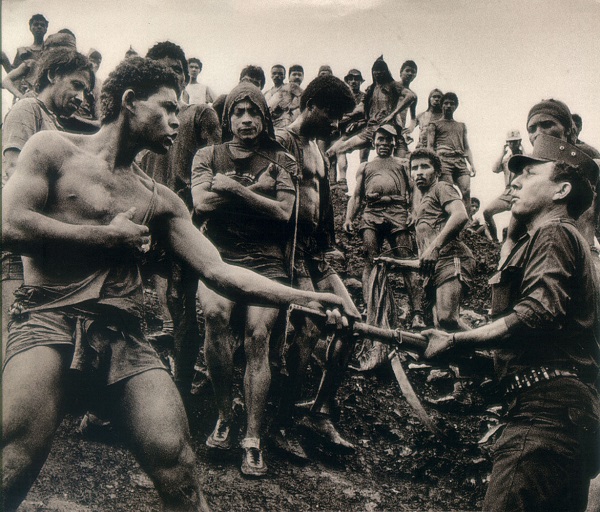
From ‘The Amazing Grace’ to ’12 Years a Slave’, we do a roll call on the most popular films and TV adaptations that depicts the horrors of slavery,
12 Years a Slave (film)
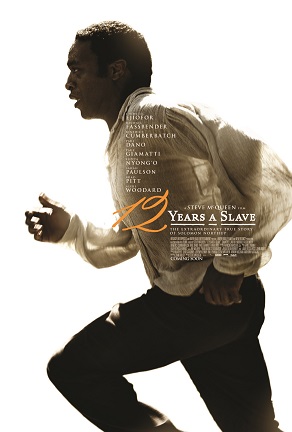
At the top of the list is 12 Years a Slave, a 2013 historical drama film and an adaptation of the 1853 slave narrative memoir Twelve Years a Slave by Solomon Northup, a New York State-born free African-American man who was kidnapped in Washington, D.C., in 1841 and sold into slavery. The film won three Academy Awards: Best Picture, Best Supporting Actress for Lupita Nyong’o, and Best Adapted Screenplay for John Ridley. The Best Picture win made Steve McQueen the first black producer ever to have received the award and the first black director to have directed a Best Picture. The film was also awarded the Golden Globe Award for Best Motion Picture – Drama, and the British Academy of Film and Television Arts recognized it with the Best Film and the Best Actor award for Chiwetel Ejiofor
Django Unchained
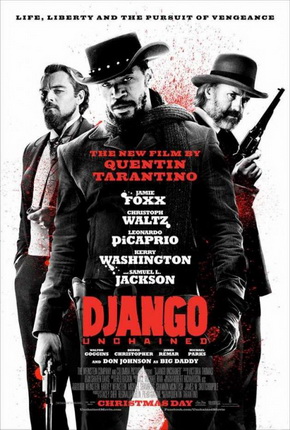
Second is Django Unchained. The film is centered around the life of a slave, Django (Jamie Foxx) who gains his freedom and teams up with his German owner/bounty hunter to infiltrate a notorious plantation to rescue his wife. The film sparked interesting conversations on social media and academic circles, with some declaring it to be horrifically offensive, and others calling it well-intended and possibly progressive. Writer and Director, Quentin Tarantino was largely accused of racism as a result of the production. Despite its dark subject matter and brutal violence (relatively graphic depictions of America’s 1800s slave trade), the film was a huge success. Christoph Waltz won several accolades for his performance. Tarantino won the Academy Award for Best Original Screenplay.
Roots
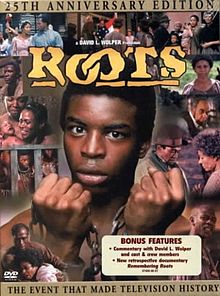
Roots is a television miniseries based on Alex Haley‘s 1976 novel, Roots: The Saga of an American Family. The series first aired in 1977. Alex Haley claimed to have traced his family history back to the African, Kunta Kinte, captured by members of a contentious tribe and sold to slave traders in 1767. In the novel, each of Kunta Kinte’s enslaved descendants passed down an oral history of his experiences as a free man in Gambia, along with the African words he taught them. Haley researched African village customs, the slave-trade and the history of African Americans in America. Roots received 37 Emmy Award nominations and won nine. It won also a Golden Globe and a Peabody Award. It was produced on a budget of $6.6 million.
Amistad
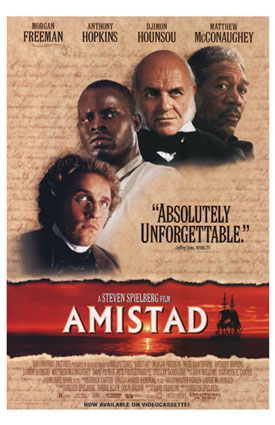
Amistad is a David Franzoni historical film, directed by Steven Spielberg. It is based on the uprising in 1839 by abducted Mende tribesmen who took charge of the ship La Amistad off the coast of Cuba, and the international legal battle that followed their capture by a U.S. revenue cutter. It became a United States Supreme Court case of 1841. Starring Morgan Freeman, Nigel Hawthorne, Anthony Hopkins, Djimon Hounsou, and Matthew McConaughey, the screenplay was based on the book Mutiny on the Amistad: The Saga of a Slave Revolt and Its Impact on American Abolition, Law, and Diplomacy (1987), by the historian Howard Jones.
The Amazing Grace
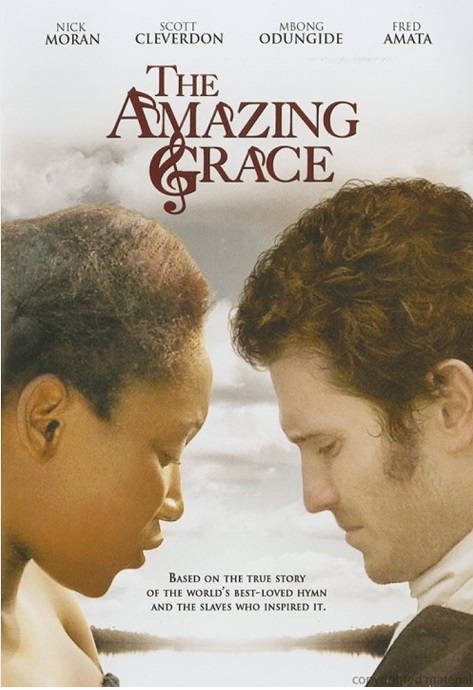
This is different from the biographical drama about William Wilberforce and the abolitionist movement. The Amazing Grace (2006) is a Nigerian film, written by Jeta Amata and Nick Moran. It examines the slave trade from the rare angle of Africans living in Africa. A film about faith and salvation, it tells the reformation story of British slave trader John Newton (Nick Moran), who sailed to what is now Nigeria to buy slaves but, increasingly shocked by the brutality of slavery, gave up the trade and became an Anglican priest.