Port Harcourt has long been one of Nigeria’s most important music hubs, producing artists who shaped the country’s sound long before contemporary stars like Burna Boy and Omah Lay rose to international fame. Music experts note that the city’s early pioneers laid the groundwork for today’s Afrobeats talents, and their influence is still felt across Nigeria’s music scene.
Speaking recently at the Clarity of Mind listening event, Omah Lay reflected on the challenges of breaking into the industry from outside Lagos. “Afrobeats has its roots in Lagos. It’s mainly Yorubas. Fela Kuti is the pioneer, and we all know that,” he said. “But I’m from Port Harcourt, and you have to break into Lagos. There are only two people from PH that you know: Burna Boy and me.” His words highlight not only the city’s contribution to Nigerian music but also the resilience and talent that continue to emerge from Port Harcourt.
Duncan Mighty
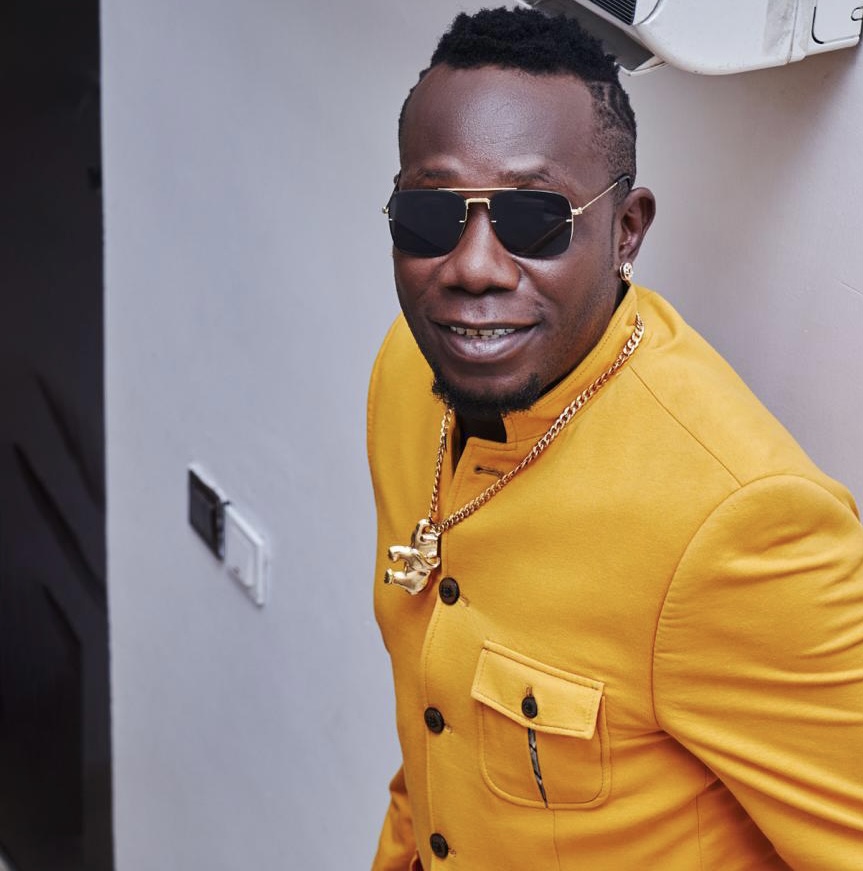
He’s referred to as the “Port Harcourt First Son,” Duncan Mighty is widely credited with bringing his city’s sound to national attention. Rising to fame in the mid‑2000s, his album Fully Loaded (Koliwater) and hits like “Obianuju,” “Scatter My Dada,” “Port Harcourt Boy,” “Ijeoma,” and “Ako Na Uche” became instant anthems across Nigeria and beyond. A native of Obio‑Akpor in Rivers State, Duncan’s music is deeply rooted in his culture, with many songs sung in his native Ikwerre language. His blend of highlife, Afrobeat, and indigenous rhythms helped define Port Harcourt’s early sound and made him a staple on the radio and at live shows for years.
His success opened doors for many upcoming artists from the region, proving that music from outside Lagos could compete on the national stage. Albums like Legacy (Ahamefuna) further solidified his reputation, while his storytelling and vocal strength continue to influence a new generation of musicians. Duncan Mighty remains one of the most important figures in the evolution of music from the South‑South.
Timaya
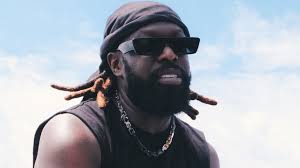
Though born in Bayelsa State, Timaya was raised in Port Harcourt and became one of the city’s biggest musical exports. He helped popularise a fusion of dancehall, Afro‑pop, and hip‑hop that resonated with youth across Nigeria. With hit albums like True Story, Gift and Grace, De Rebirth, and Across the Board, he has produced enduring songs such as “Dem Mama,” “Plantain Boy,” “I Concur,” and “Balance.” His energetic delivery and charismatic stage presence made him one of the most influential performers of the late 2000s and early 2010s.
Timaya’s solo career began in 2005 with the release of “Dem Mama,” a powerful song inspired by the Odi massacre that shot him into the spotlight. His blend of Nigerian pop, dancehall, soca, and Afro‑Caribbean influences helped bridge regional sounds with mainstream appeal. As the founder of DM (Dem Mama) Records Limited, Timaya has also become a mentor and industry figure for many younger artists.
Frank D’ Nero
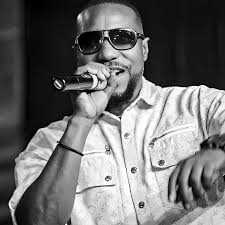
Frank D’ Nero carved out his own niche with smooth vocals and a sound that straddled Afro‑R&B, reggae, and soul. Tracks like “Love My Baby,” “Hustle,” and “Trowey” showcased his versatility and lyrical depth, making him a beloved figure in Port Harcourt and beyond. Though he didn’t achieve the commercial success of some of his peers, Frank’s music demonstrated the artistic richness of his city and its capacity to produce diverse, emotionally resonant sounds.
Originally trained as a geologist, he transitioned to music in 2002 and later founded D’Largge Records, where he mentored and produced early hits for major stars like Duncan Mighty and Duncan Daniels. His 2008 debut album, Kalangolo, featured several chart‑topping singles and helped cement his reputation as one of the region’s most creative voices.
Waconzy
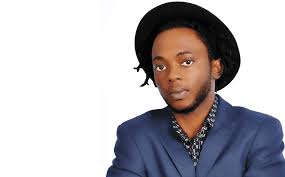
Known for his sharp lyrics and wide musical range, Waconzy became one of Port Harcourt’s most recognisable voices in the late 2000s and early 2010s. Tracks like “I Celebrate,” “Too Much Money,” “Wedding Day,” and “Chuku Chuku” demonstrated his ability to merge hip‑hop sensibilities with afro‑rhythms and heartfelt storytelling. The success of his I Celebrate album and its singles helped broaden the perception of what Port Harcourt music could be.
Waconzy, whose family roots trace to Umuahia in Abia State, is also a record producer, philanthropist, and founder of Dv8 Media and the Waconzy Foundation. His music video for “I Celebrate,” shot by Clarence Peters, and his later remix collaboration with Duncan Mighty helped raise his profile nationally. His work influenced many of the region’s emerging rappers and singer‑songwriters.
M‑Trill

Among the first Port Harcourt rappers to gain national exposure, M‑Trill represented his city’s hip‑hop talent with songs like “Beautiful,” “Bounce,” and “Hustle Hard.” His laid‑back flow and relatable storytelling resonated with street sensibilities and mainstream listeners alike. The rapper’s early work made it clear that Port Harcourt could contribute meaningfully to Nigeria’s hip‑hop movement, not just the Afrobeats sound.
M‑Trill released his debut album Number One in 2008, followed by the mixtape Ladies and Gentlemen in 2010. That same year, he won the Best West African Act at the Channel O Music Video Awards for “Bounce.” Throughout his career, he collaborated with artists such as Timaya, Ruggedman, Modenine, and 2Shotz, helping bridge musical communities across regional sounds.
These pioneers were part of a larger wave that proved talent from outside Lagos could break into the national conversation. Their success helped reinforce the idea that regional sounds, whether from the South‑South, the East, or the North — all had a place in Nigeria’s evolving music tapestry.
In recent years, a new generation from Port Harcourt has continued the legacy such as Ajebo Hustlers, Wizard Chan 1da Banton, Idahams, King Perry, Morravey, and Dandizzy are carving their own space, blending contemporary Afrobeats with Lagos influences while keeping their Port Harcourt roots alive.