By Hassan Sanusi
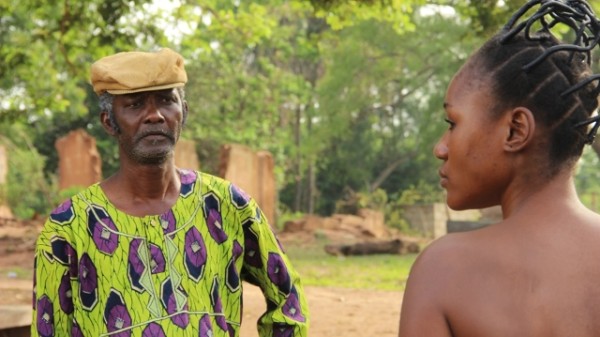
The project is based on the story of a pampered girl, Shijuwomi who attempts suicide after travelling to England for studies, prompting the decision to repatriate her home. Back home, she is moved to an institution where she meets Dr. Ilori, a lecturer in Anthropology, who eventually marries her. The marriage does not however provide the desired harmony and succour as Shijuwomi and Ilori are on a parallel scale in terms of pursuing their interests, forcing her to make another suicide attempt.
Described as emotive, intriguing and thrilling, the movie is a blinding portrayal riddled with themes of love and conflict from start to finish. It is a cerebral metaphor for Nigeria as a nation state and many African countries, whose dreams of Utopia after freedom from colonial powers have all but evaporated, leaving behind hopelessness and frustration.
Among the cast is rising actress, Judith Audu as the titular Shijuwomi while veteran actors, Ayo Lijadu and Bimbo Manuel, and a host of other acting talents, including Femi Adebayo, Olu Okekanye, Tina Mba, Jude Chukwuka are also involved in the project.
Adapted for the screen by the trio of Prof. Ola Rotimi, Dr. Femi Olugbile and Bayo Awala, the man behind the project, Awala is neither new to adaptations nor directing. As a filmmaker, he acquired a lot of experience at the Nigerian Television Authority, NTA, where he directed such successful drama series as Village Headmaster, as well as independently produced series such as Winds against My Soul, Adio Family, By the Road Side, The Turning Wheel, The Young Ones, Jagua Nana’s Daughter, Tight Rope, Trauma and Doctors Quarters.
In 2005, Awala directed the award winning political thriller, Prince of the Savannah written by Yinka Ogun and starred Tunde Laniyan, Sam Loco Efe, Teni Aofiyebi, and Chidi Ukwu, who won the Best Actor Award at the ZUMA Film Festival 2011 for his role in the movie.
‘This project has been in the works for over two decades. I have always being fascinated with this story since I first directed it on stage in 1969. Its thematic relevance, the tempo-spatial canvass against which the narrative plays out and an opportunity to increase the volume of works adapted from our rich literary traditions are some of the reasons why we have decided to showcase this piece,’ Awala said.
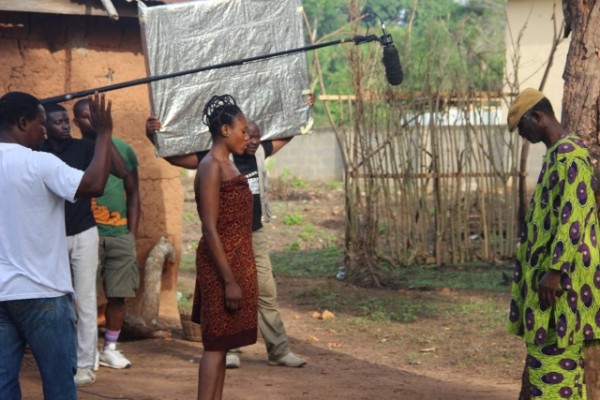
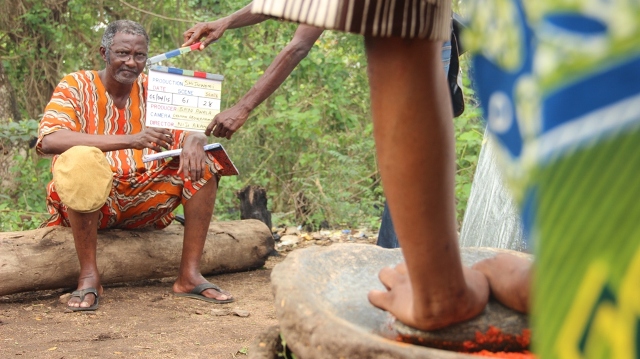
Check out some location photos…