


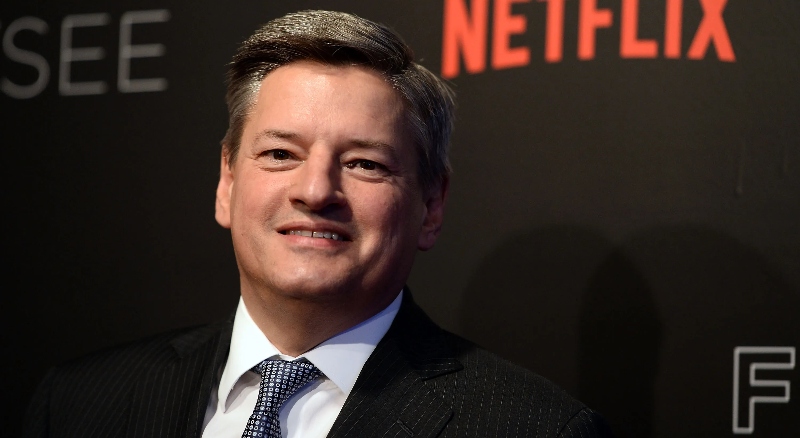
For better or worse, Artificial Intelligence (AI) has become a part of our lives, adopted by both corporations and individuals. Amid growing concerns that AI will replace human workers and squash creativity, Netflix has decided to go “all in” on generative AI, leveraging it across different areas of the company.
On Tuesday, Netflix released a letter to shareholders explaining their plans. The company said they are “leveraging GenAI to further enhance the member experience by improving the quality of our recommendations and content discovery features.”
Netflix isn’t relying on AI entirely; rather, they are using it as a supportive tool. AI will help with content recommendations and improve the user search experience. The letter also emphasized empowering creators, stating that they are providing “a broad set of GenAI tools to help [creators] achieve their visions and deliver even more impactful titles for members.” Examples include de-aging characters in Happy Gilmore 2 and aiding the pre-production process for the show Billionaire’s Bunker. Earlier this year, Netflix also used AI in filmmaking for the original TV show The Eternaut.
Beyond content, Netflix is exploring AI in advertising, testing new ad formats and generating suitable ad placements for members.
During the earnings call, Netflix CEO Ted Sarandos clarified their stance on AI and creativity, saying the company “isn’t worried about AI replacing creativity, but is very excited about AI creating tools to help creativity.” Netflix has even released a production guide to help creators use generative AI responsibly.
But does this mean jobs are at risk? Sarandos insisted that “it takes a great artist to make something great,” and that AI can’t “automatically make you a great storyteller if you’re not.” He added, “We’re confident that AI is going to help us and help our creative partners tell stories better, faster, and in new ways.”
Co-CEO Gregory Peters echoed this approach, noting that Netflix is incorporating AI across “product experiences, content production, and advertising.”

