


Leading voices in Africa’s creative sector converged at NECLive 2025 to address critical questions about powering the continent’s economy through creative enterprise, emphasizing authenticity, strategic partnerships, and technological adoption as key drivers for growth.
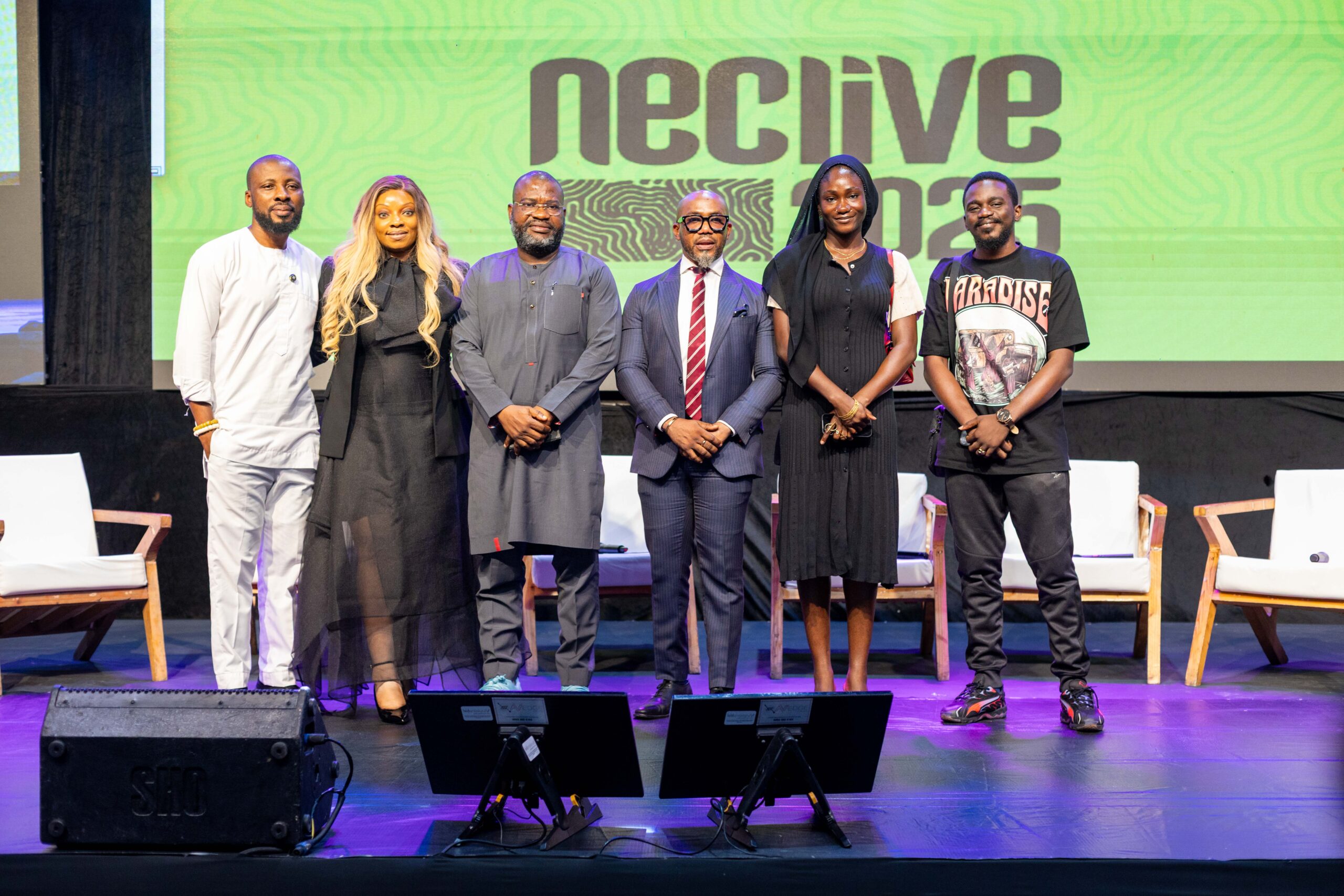
The panel, moderated by Henry Ekechukwu, brought together entrepreneurs and industry pioneers who collectively manage billions in creative investments across the continent. Their insights revealed both the immense potential and structural challenges facing Africa’s creative economy.
Community emerged as a recurring theme throughout the discussion. Dolapo Amusat, who built WeTalkSound into West Africa’s largest youth-led creative workspace, emphasised that successful creatives are those who transform audiences into communities. “They’re not just random people who consume your content. They get sucked into what you do and they feel like they’re a part of what you’re building,” he explained.
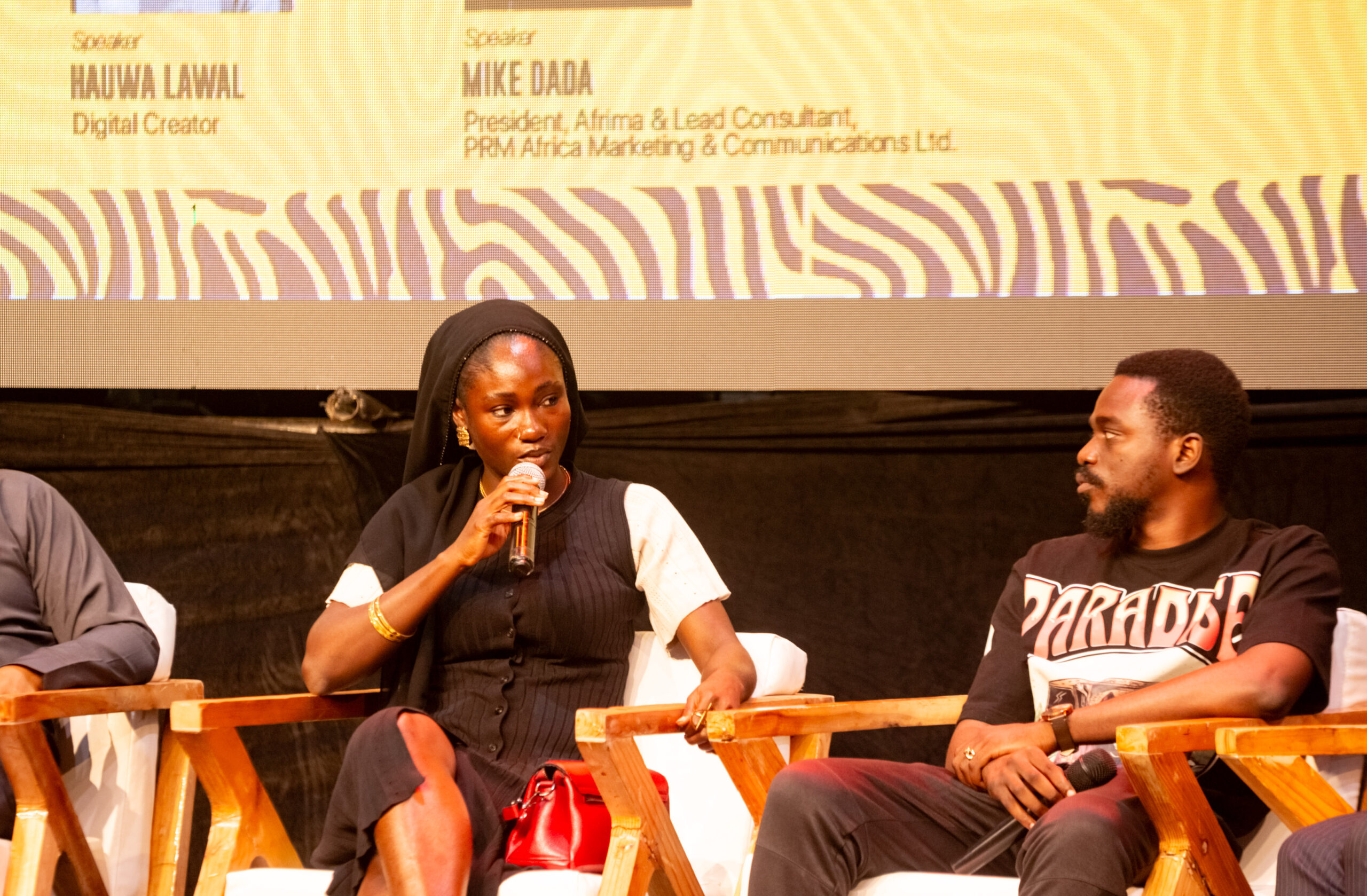
Digital storyteller and content creator Hauwa Lawal highlighted the power of authentic narratives in shaping global perceptions of Africa. Recounting her experience studying in India, where someone asked if Nigeria had aeroplanes, she stressed the urgency of Africans telling their own stories to counter misconceptions.
The infrastructure deficit received significant attention. Chichi Nwoko, who has activated 16 brands within her media conglomerate, What Media Group, identified talent gaps as more critical than physical infrastructure. “It’s easier to build actual infrastructure than the correct talent that is required to actually drive the industry,” she noted, calling for more finance, policy, and legal professionals in the creative space.

AFRIMA President Mike Dada provided sobering statistics: Africa’s GDP stands at approximately $2.8 trillion compared to the USA’s $30.6 trillion. He challenged the notion of external salvation, declaring, “Nobody is coming to save us. We need to save ourselves.”
On technology, media entrepreneur Yinka Obebe positioned artificial intelligence as Africa’s greatest equalizer. “AI is the one single thing that gives Nigeria and everybody around this part of the world a completely different advantage,” he said, suggesting it could help the continent leapfrog 60-70% of Western capabilities.
The panel concluded with calls for cross-sector partnerships. Dolapo Amusat noted that the creative industry cannot solve its problems alone, advocating for collaboration with policymakers, big tech, telcos, and financial institutions. Chichi Nwoko urged a focus on creating value through creative deal structuring, while Mike Dada emphasized education and collaboration as essential foundations for sustainable growth.

