


From its birth in the 1990s with Kenneth Nnebue’s Living in Bondage till today, Nollywood has grown into a powerhouse with great films, beloved actors, and directors whose work resonates at home and abroad.
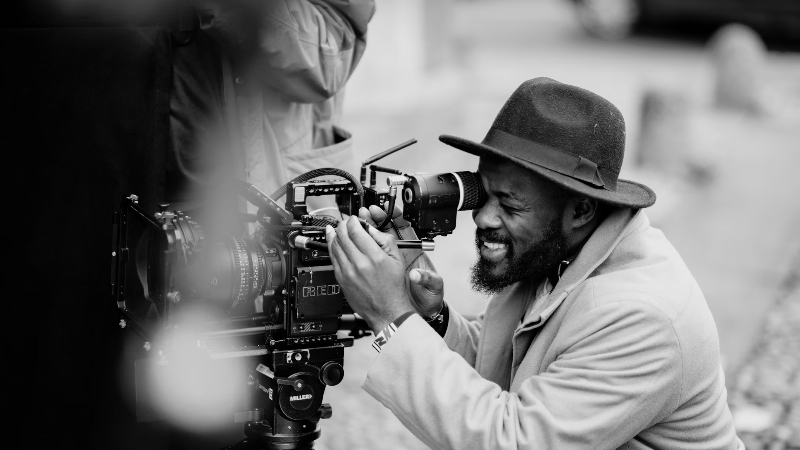
But like any large industry, it has its share of problems. One of them is that Nollywood has become too mainstream, and this is largely due to no major fault of the stakeholders. The Nigerian community has always championed entertainment over art; almost every single event that trends, hit song that tops the charts, and the most talked-about movies point to this effect.
For the most part, Nigerian cinema is positioned as entertainment rather than art. This in itself is not bad. Every film industry produces movies designed to entertain and appeal to wide audiences. But something is missing when very few films attempt to push boundaries, experiment, or speak in a language of art rather than spectacle.
These are the kinds of films that many Nigerians tend to dismiss as boring. They are stories where viewers tend to think not much happens, there are no household names in the cast, and the plots do not hinge on high stakes, family feuds, or slapstick comedy. There are no drone shots, no glossy production design, no familiar faces we have seen a hundred times before. Instead, they offer something subtler: mood, depth, reflection, and risk.
That is where independent cinema comes in. Indie films, short for independent films, are movies made outside the control of major studios and commercial systems. They are usually financed through smaller or private sources, giving filmmakers freedom to tell unconventional stories, take risks, and work with new talent. Unlike mainstream productions that prioritise mass appeal and box office numbers, indie films are more concerned with the craft of storytelling itself.
Independent cinema takes risks. Nollywood, as it stands, largely plays it safe.
And that is the problem. While many Nigerians understandably prefer films that are light, fun, and popular, there is also an audience hungry for more. Where are our horror films to rival Hereditary? Where are our arthouse films to stand alongside international festival favourites? Where are the films that people can watch and say, “This is objectively good,” not just good by Nollywood’s standards?
To be clear, such films do exist. We have seen them in works like Chuko and Arie Esiri’s Eyimofe, Akinola Davies Jr.’s My Father’s Shadow, and C.J. Obasi’s Mami Wata. These films have received critical acclaim both locally and internationally. What they have in common is that they are not mainstream Nollywood. They take risks. They trust audiences to follow them into deeper waters. And when they succeed, they prove that Nigerians are capable of producing world-class cinema.
Many more indie filmmakers are waiting to be discovered. While there may not always be big money in independent filmmaking, that does not mean these creators should not be given platforms to produce and distribute their work. Out of the thousands of films made in Nigeria each year, it would be a step forward if even a small fraction were truly independent projects.
Ultimately, Nollywood needs balance. Yes, give us the star-studded comedies, the romances, and the dramas that fill theatres. But also give us the indies, the films that may not pack out cinemas, but enrich our culture, stretch our imagination, and remind the world that Nigerian cinema is more than just Nollywood’s mainstream.

