If there is any musician, dead or alive, who could best fit the description of “a force of nature”, it would be the late Afrobeat legend, Fela Anikulapo-Kuti.
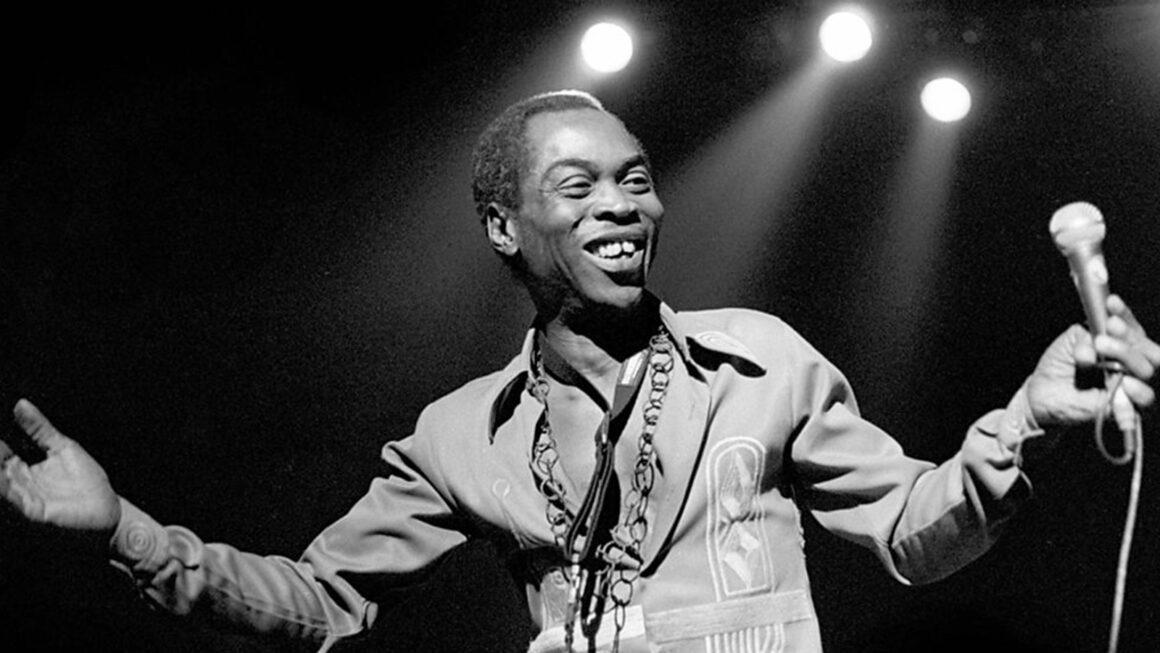
Regarded as the pioneer of Afrobeat, Fela was a singer-songwriter, genre-bending innovator, and a master of multiple instruments. He could play the keyboard, saxophone, trumpet and drums. The son of an Anglican minister and an anti-colonial feminist, he acquired his music education in England, received a socio-political awakening during a short stay in the United States, and upon his return to Nigeria, set about to changing the landscape of global music with his band, the Africa 70.
Beyond his music, Fela was an activist, Pan-Africanist and revolutionary. From the 1970s, he was a thorn in the flesh of successive military regimes, using his music to call out the repression, corruption and bribery perpetrated by the political establishment. Tracks like “Zombie”, “Army Arrangement”, “I.T.T” and “Original Sufferhead” among others, were as direct and incisive as they were melodic. He suffered for his activism, his commune Kalakuta Republic was burnt to the ground, his mother was fatally injured after being thrown down from a window and he was arrested on several occasions but he kept using his music to promote social consciousness.
24 years have passed since his death in 1997 but Fela’s legacy remains. He is remembered as a cultural icon and his music has been sampled by many of today’s top acts, including Wizkid and Burna Boy. He has been the subject of a Broadway musical, his songs have featured in music soundtracks and video games, and in February 2021 he was nominated for induction into the Rock n’ Roll Hall of Fame. It was only right that in Season 6 of Nigerian Idol, Africa’s biggest music talent show, the organizers would pay tribute to Fela for his contribution to global music and Nigeria’s political discourse.
On Sunday, June 6, 2021, the six remaining contestants in the Nigerian Idol competition – Akunna, Comfort, Francis Atela, Kingdom, Faith Jason and Emmanuel put up electrifying performances to honour Fela, in line with the night’s theme, “Fela Week”. To prepare for the occasion, they had visited the Grammy-nominated Seun Kuti at the Kalakuta Republic a few days earlier. Amidst painted faces and flamboyant traditional attire, they got off to a flyer with a joint performance of “Water No Get Enemy”, before settling into individual covers based on their song choices.
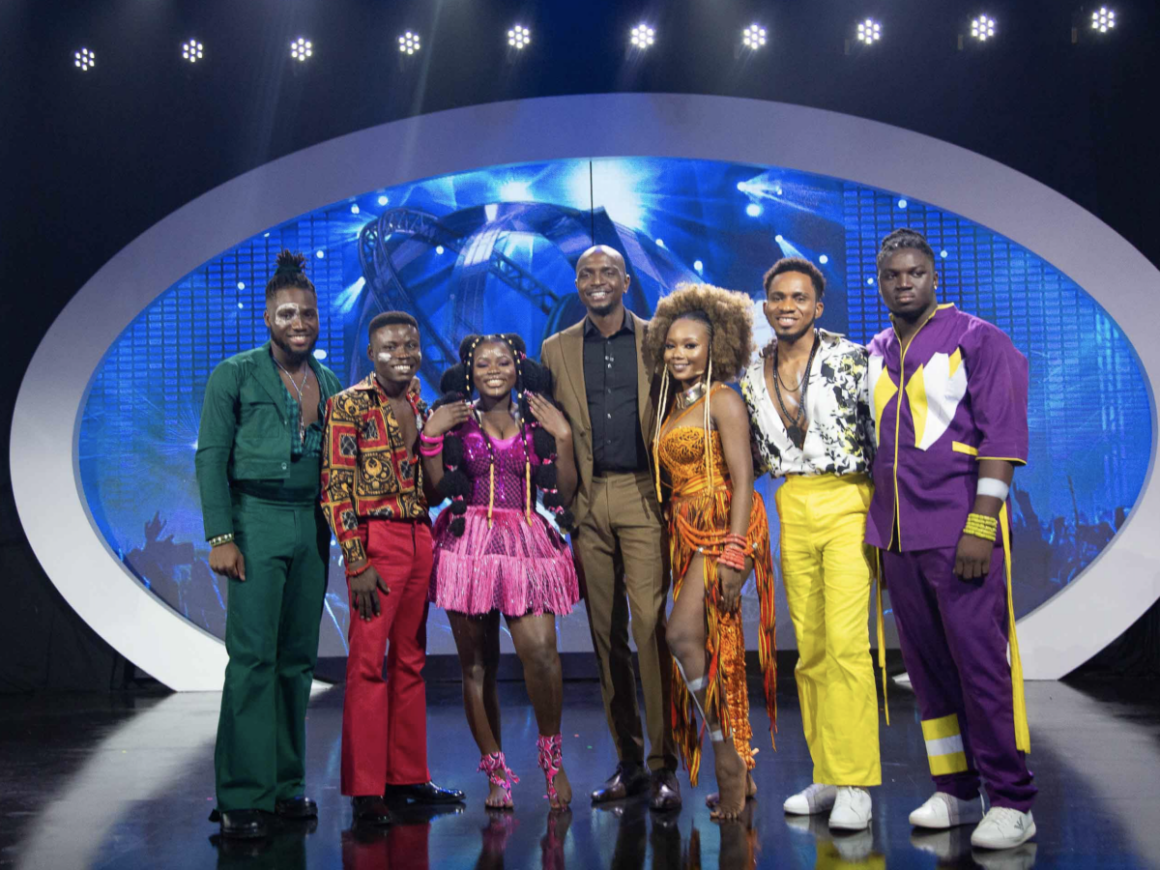
Comfort, who has been lauded for her growth in confidence and stage presence during the course of the competition, performed a cover of “Observation Is Not A Crime”, which was well-received by the judges; DJ Sose, Obi Asika and Seyi Shay. Faith Jason handed in his version of “Palava”, and Francis Atela got some vocal assistance from the live band as he performed “Yellow Fever.” Emmanuel went with the song choice of “No Agreement”, a song which Fela had composed to call out the late M.K.O Abiola on a debt owed. Kingdom’s performance of “Gentleman”, a track memorable for its unique take on colonial mentality, got the judges rising from their seats in approval. Akunna, the last performer of the night, opted for “Lady”, a song that is remembered for its brilliant instrumentation as well as Fela’s controversial take on modern womanhood.
There was a deliberateness to the songs chosen by the contestants. Each of them decided to run with tracks that were not only melodic, but full of lyrical depth. Fela did not just sing about standing up to tyranny and embracing African culture, he lived the life in its entirety and the contestants felt privileged to perform those classics in his memory.
The Fela-themed live performances are just another example of how Nigerian Idol emphasizes the celebration of Africa’s musical icons. On May 10, 2021, the first set of live performances on this season of Nigerian Idol focused on honoring African legends. Akunna performed a powerful cover of Angelique Kidjo’s “Wombo Lombo”, the now-evicted Beyonce performed a melodic version of Kidjo’s “Agolo”, Emmanuel handed in a brilliant rendition of the late Majek Fashek’s “Send Down The Rain”, and Faith Jason had the judges applauding his cover of Victor Uwaifo’s “Joromi.” There were also live performances of the late Prince Nico Mbarga’s “Sweet Mother”, Salif Keita’s “Africa”, Lucky Dube’s “Remember Me”, and Miriam Makeba’s “Malaika”.
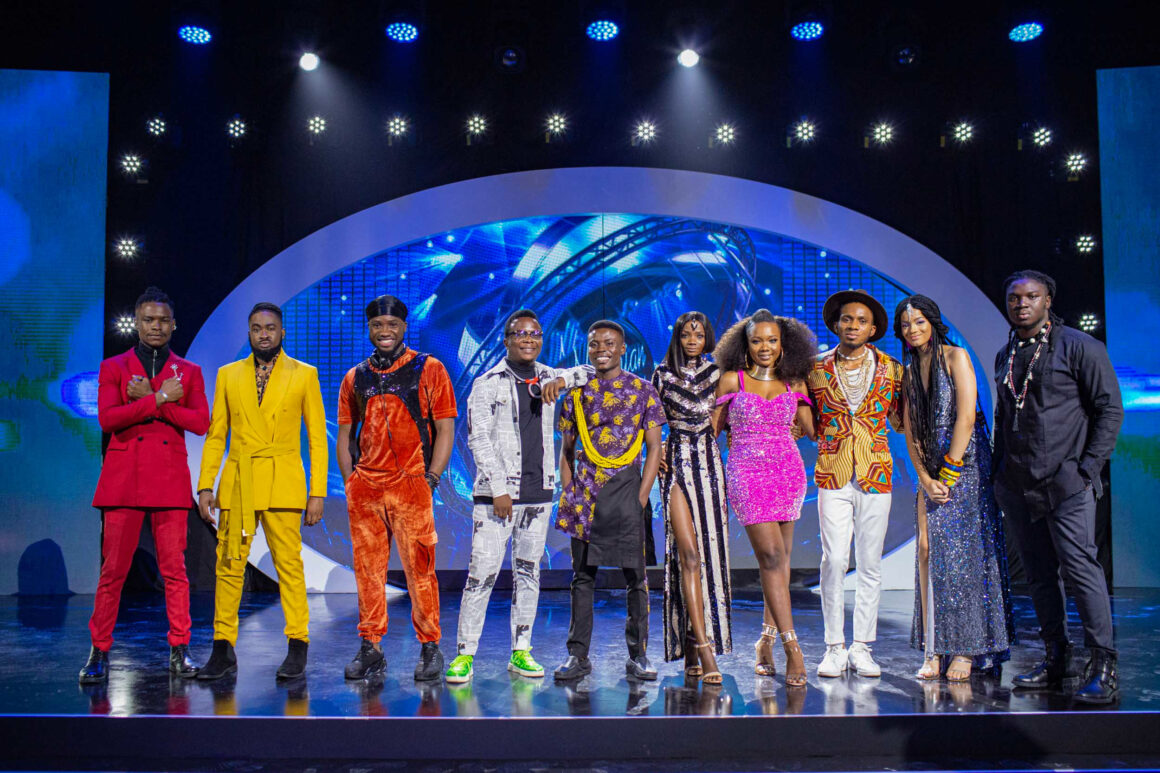
Nigerian Idol aims to churn out the best of Nigerian music talent, and it’s only fitting that the show saves a moment to remember some of the continent’s finest performers. For those born in the era when those songs were popular, these covers evoke a sense of nostalgia and for those born much later, they are an introduction to the treasure that is African music.
Sponsored by Bigi Drinks and Tecno Mobile, Nigerian Idol Season 6 and airs every Sunday at 7pm on Africa Magic Showcase, Africa Magic Urban and Africa Magic Family. Available to customers on DStv Premium, Compact Plus, Compact, Confam and Yanga, and on GOtv Max and Jolli. Visit www.dstvafrica.com or www.gotvafrica.com and download MyDStv or MyGOtv Apps to pay your subscription or switch your package.
You can also watch Nigerian Idol Season 6 via the DStv app on multiple devices at no additional cost. The app is available for download on Google Play and the App store
For more information, visit www.africamagic.tv/nigerianidol and follow the official Nigerian Idol social media pages for news and updates with the hashtag #NigerianIdol on Instagram @nigerianidol and Facebook www.facebook.com/nigidol