


In the vibrant tapestry of Nigerian pop culture, where music and fashion often intertwine to create powerful statements, Folarin Falana, popularly known as Falz, the multi-talented rapper, actor, and activist, is consistently pushing boundaries and redefining norms.
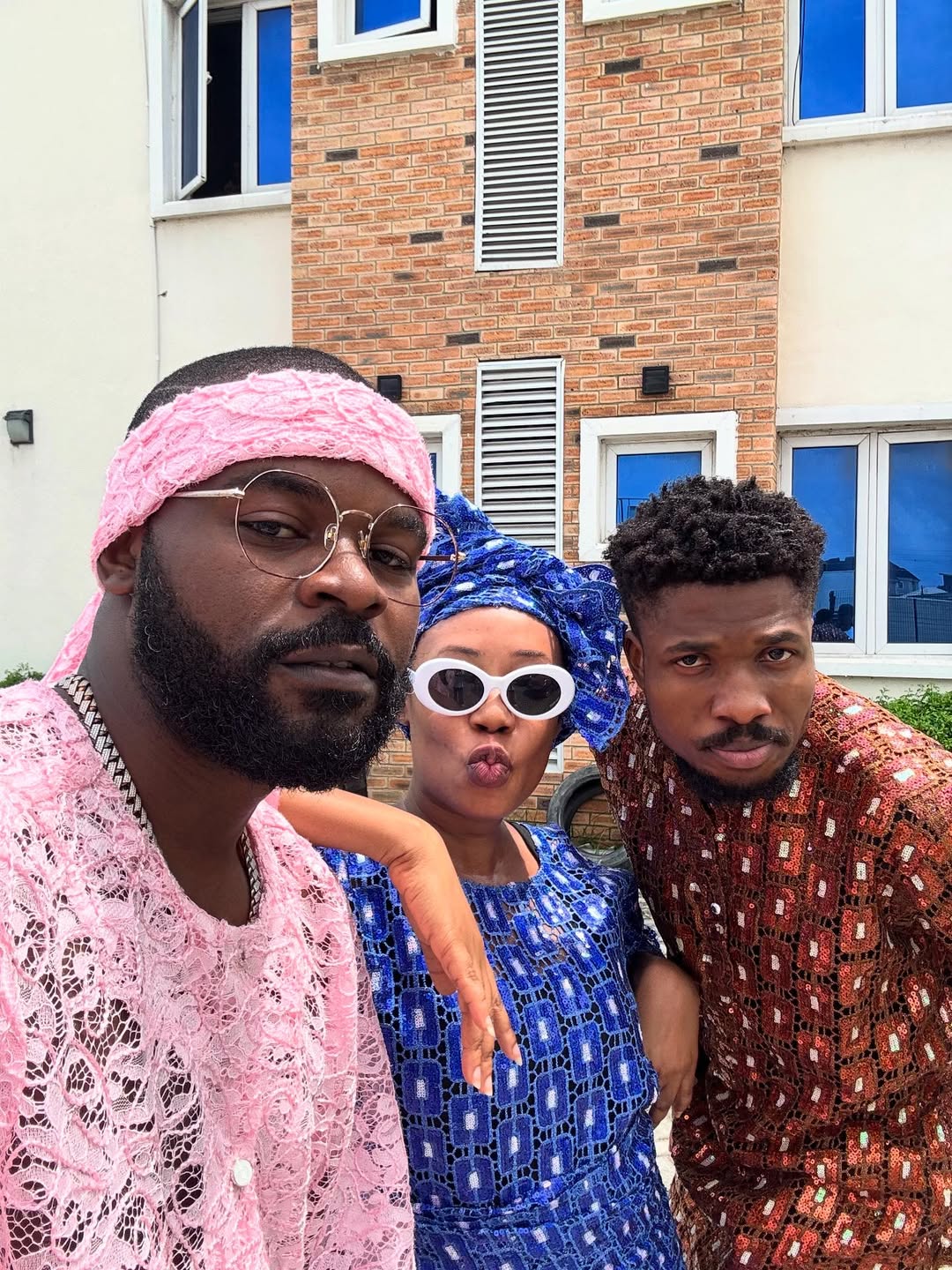
His unique fashion journey is championing the resurgence of lace as a contemporary style statement. On June 20, 2025, he uploaded photos and videos of himself on the social media platform Instagram, flamboyantly dressed in Lace material with the caption, “How I’m pulling up to every function.”
Falz is unwittingly ensuring that this is not a fleeting trend; it’s a deliberate cultural movement, deeply rooted in identity and authenticity, and spearheaded by an artist who understands the profound connection between self-expression and heritage.
In a conversation with Netng, Falz says he views fashion as an extension of one’s persona, a visual narrative that communicates a message to the world. As he eloquently puts it, “Fashion, like music, has always been a big, way to tell our stories as Africans. The way that you portray yourself fashion wise tells a story about you and sends a message.”
His latest fashion statement coincides with the rollout of the album, and his recent embrace of lace is intrinsically linked to the themes explored in The Feast. This album, he explains, embodies a state of “conviction, a state of certainty, a state of absolute confidence in oneself, just as an African, you know, existing in this age.”
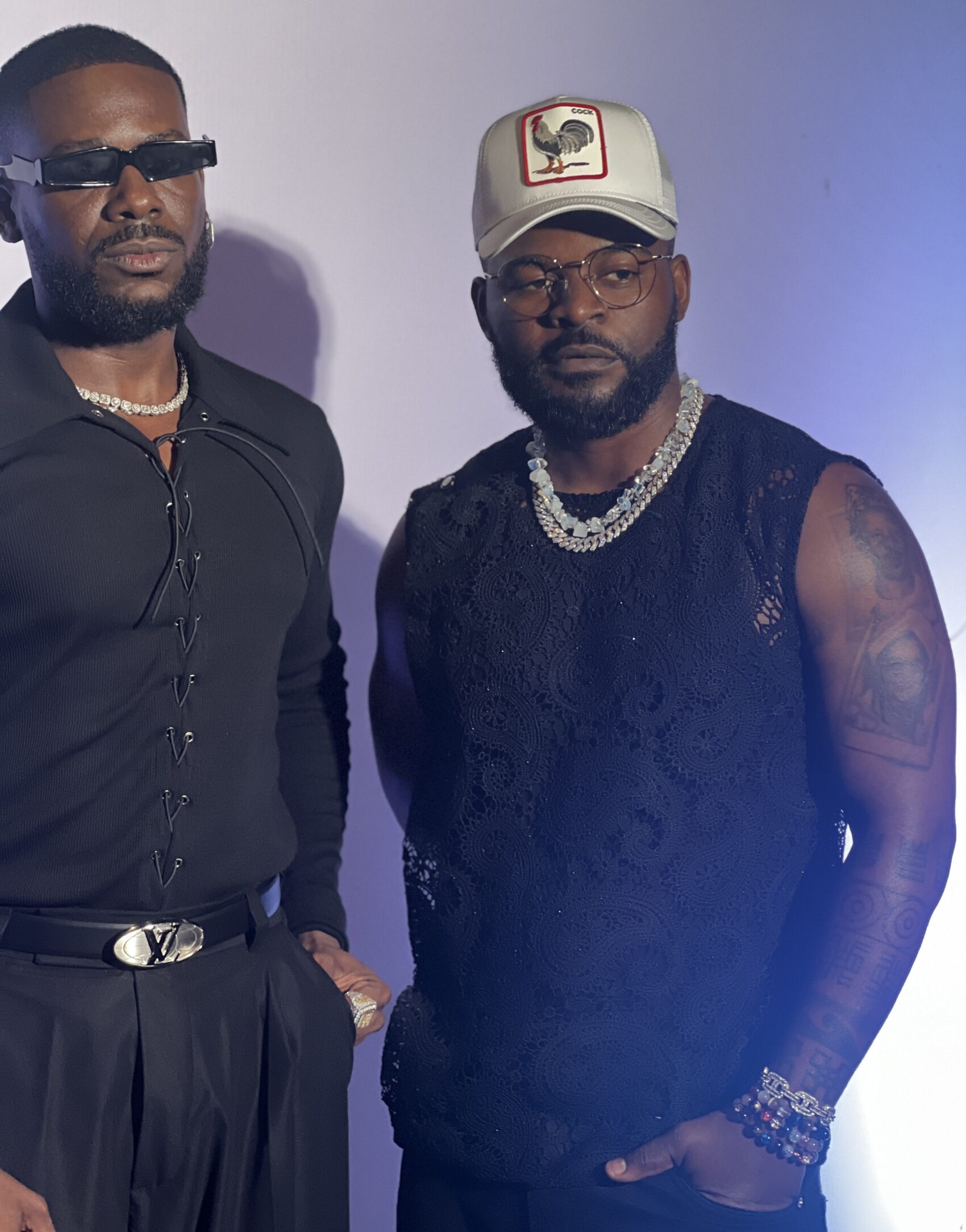
When I met Falz again at Adekunle Gold’s exclusive launch for the Coco Money video, he wore a sleeveless black Lace shirt with matching pants and a hat. The decision to embrace lace in all forms is about taking a form of fashion that is peculiar to us as Africans, as Nigerians, and making it undeniably cool.
“And for me, that is the message with the whole lace movement. It is about picking a form of fashion that is peculiar to us as Africans, as Nigerians, and, you know, just making it cool, as cool as possible.
Lace, in the Nigerian context, is far more than just fabric.
Its journey from European aristocracy to a staple in Nigerian wardrobes, especially in the 80s and 90s, proves how the material is adaptable and its cultural significance. Historically, lace, particularly imported varieties from Austria and Switzerland, became a powerful symbol of wealth and status in Nigeria.
Its intricate patterns and luxurious feel made it a coveted textile, often displayed at significant social and religious gatherings. Balogun and Alaba International markets, in Nigeria’s commercial capital, Lagos, became epicentres for the Lace trade, with women traders playing a pivotal role in its distribution and economic impact.
The tradition of ‘Aso Ebi,’ where coordinated lace outfits are worn by family and friends at weddings, funerals, and other ceremonies, also cemented its role in communal identity, symbolising unity and collective participation.
Yet, over the last decade or so, other materials such as cashmere or wool have been used in making bespoke men’s designs. Especially as most men now favour the “Senator designs”
Falz’s vision extends beyond personal style; it’s a cultural reclamation, an effort to highlight and celebrate elements that are original to us. He firmly believes that focusing on these indigenous elements is the only true key to us moving forward as a people.
Already, there is an increase in the number of men wearing lace, for instance, many other influencers have rocked the material while making their videos dancing to No Less.
“For me, it’s, it’s exciting (to see more people embracing Lace materials). You know, at the end of the day, it’s for the good of the culture, and that’s the general message behind all of this. It is about the progression of us as a people in general, and we need to focus”
Falz’s approach to integrating lace into modern fashion is refreshingly versatile. He collaborates closely with designers like Dimeji Ilori, co-designing each outfit to ensure it aligns with his artistic vision. For young Nigerians who are wondering how to incorporate Lace outfits into their wardrobe, he emphasises the boundless possibilities of the material.
“There’s nothing that can be done with lace. Whatever it is that you think is cool, that you do like to wear, you can make a lace version of. So, if it’s a t-shirt, you can do that. If it’s a sleeveless shirt, you can do that. It’s a tank top, you can, there’s nothing you can do with lace, and that’s the way you should look at it.”
By making lace ‘cool’ again, Falz is fostering a sense of pride in Nigerian heritage and inspiring a generation to embrace their cultural identity through their style choices.
As the lace movement gains momentum, it stands as one of the vibrant symbols of Nigeria’s rich cultural legacy, reinterpreted and revitalised for the modern age, all thanks to the visionary artistry of Falz.

