Over the last decade, the cultural traffic between Nigeria and Ghana has been steady and undeniable. From shared stages to cross-border airplay, the two nations have continually found ways to trade rhythm, language, and influence.
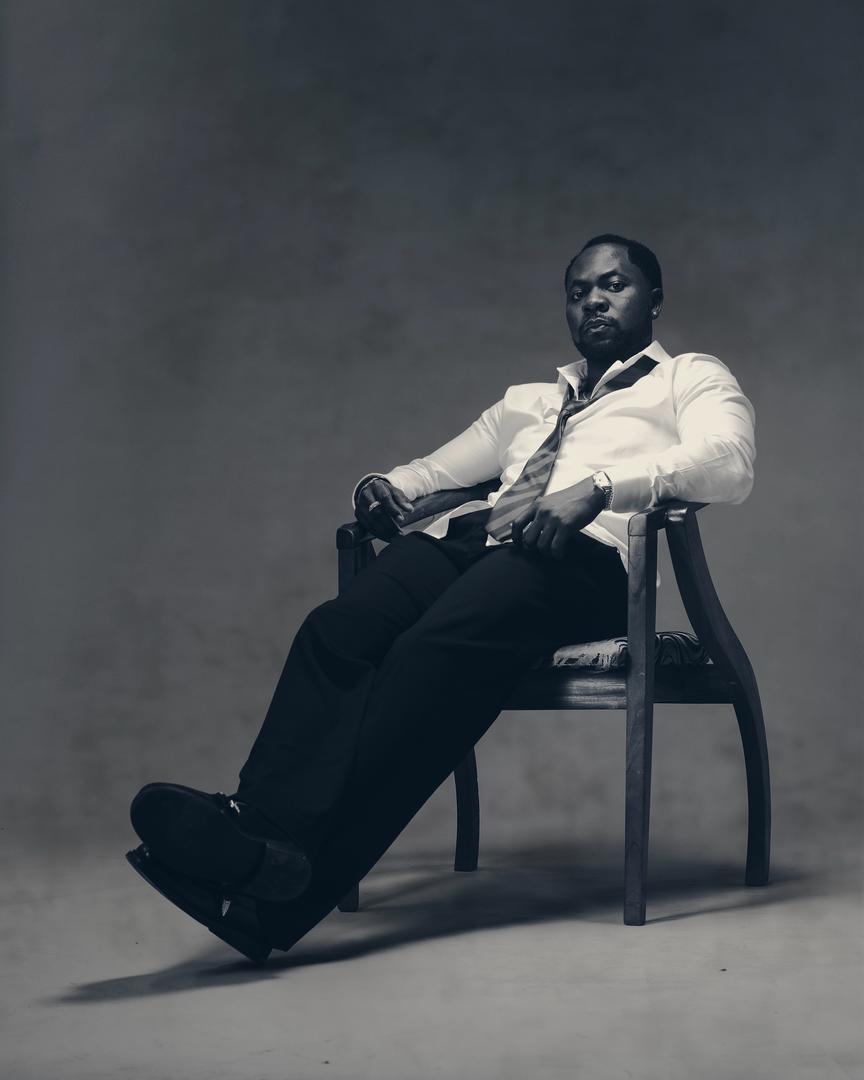
These exchanges have shaped not only the sound of West Africa but also its cultural identity, proving that borders have never been barriers where music is concerned. Long before streaming metrics began dictating reach, the two cities exchanged sounds, slang, and sensibilities that shaped the direction of African music.
From the earliest days of highlife’s migration to Nigeria to the spread of Afrobeats across Ghanaian airwaves, this back-and-forth has proven that West Africa’s most enduring strength lies in collaboration. It is into this lineage that Dapper Music & Entertainment now steps with deliberate purpose.
What makes this purpose striking is not the move itself but the manner of it. Where many expansions announce themselves with grandeur, Dapper Music & Entertainment has taken a measured path, privileging cultural impact over spectacle.
By rooting its presence in Accra, the label acknowledges something that has always been true: that music is a shared language between the two cities, one that thrives not on competition but on connection. The expansion is not framed as entry into a “new market,” but as an extension of a cultural bridge already in place.
This approach reflects Dapper’s larger philosophy. The label has consistently balanced its business ambitions with a commitment to creative meaning, championing artists whose work carries emotional and social weight.
The decision to deepen ties with Ghana is not simply logistical; it is a recognition of the power of shared identity. In an era where short-lived virality dominates much of the industry, Dapper Music & Entertainment has positioned itself differently: as a curator of sounds that endure, stories that travel, and collaborations that build.
The presence of Ghanaian talent such as Lasmid makes this philosophy tangible. His catalogue, shaped by hiplife roots and Afropop storytelling, is proof of how authenticity resonates across borders. In bringing Lasmid into its fold, Dapper Music & Entertainment is not importing Nigerian templates but investing in the textures of Ghana’s own creativity. It is a statement that innovation in African music must come from within communities, not be imposed from outside them.
Beyond the music itself lies a deeper impact. For young listeners across Lagos and Accra, collaborations of this nature affirm that their shared realities are worthy of global stages.
For the industry, it signals a future in which growth is measured not by volume alone but by purpose. By choosing a path of integration, Dapper Music & Entertainment is demonstrating that expansion can be thoughtful, that labels can act as cultural custodians rather than mere distributors, and that the next decade of African sound may well be defined by bridges, not borders.

The promise of this strategy is still unfolding, but its intent is already clear. By embedding itself within Accra’s creative fabric, Dapper Music & Entertainment is not only widening its reach but it is also contributing to a continental model of collaboration rooted in trust and mutual recognition.
If Lagos and Accra can stand as twin anchors of West Africa’s music future, it will be because of efforts like this: quiet, deliberate, and purpose-driven. And in that silence, a far louder story is being written, one of resilience, innovation, and shared destiny. And in that intent lies a vision for an African music industry that grows not by erasing differences, but by harmonising them.