


When Nigerian filmmaker Olu The Wave listens to a song, he doesn’t just hear the music; he sees an entire world unfold. He has become one of the foremost visual storytellers in the African music industry by translating his imagination into music videos.
“Whenever I listen to songs, I would naturally start visualising scenes and concepts in my head,” he explains to Nigerian Entertainment Today in an exclusive interview. “Eventually, I decided to bring those images to life, actually to create what I was seeing.”
This instinctive connection between sound and vision has become the foundation of a career that spans music videos, commercials, and films, establishing Olu The Wave as one of Nigeria’s most distinctive visual storytellers.
Born Oluwamayowa Olumide Oyefeso, Olu The Wave is behind some of the most iconic music videos that have propelled the genre to the apex of global music. From Iyanya’s ‘Like’ to Falz’s ‘No Less,’ there is a signature style that allows viewers to know it has been touched by Olu The Wave.
He claims there was no determined calculation to stand out in the industry, but the signature stems from an authentic creative impulse that has, over time, developed into something unmistakably his own.
“I think some people go into directing with the intention of standing out, so they create a distinct style. But for me, it wasn’t something I planned,” he reflects. “I didn’t start shooting videos thinking, ‘Oh, I want to have a unique visual style.’ I just started creating.”
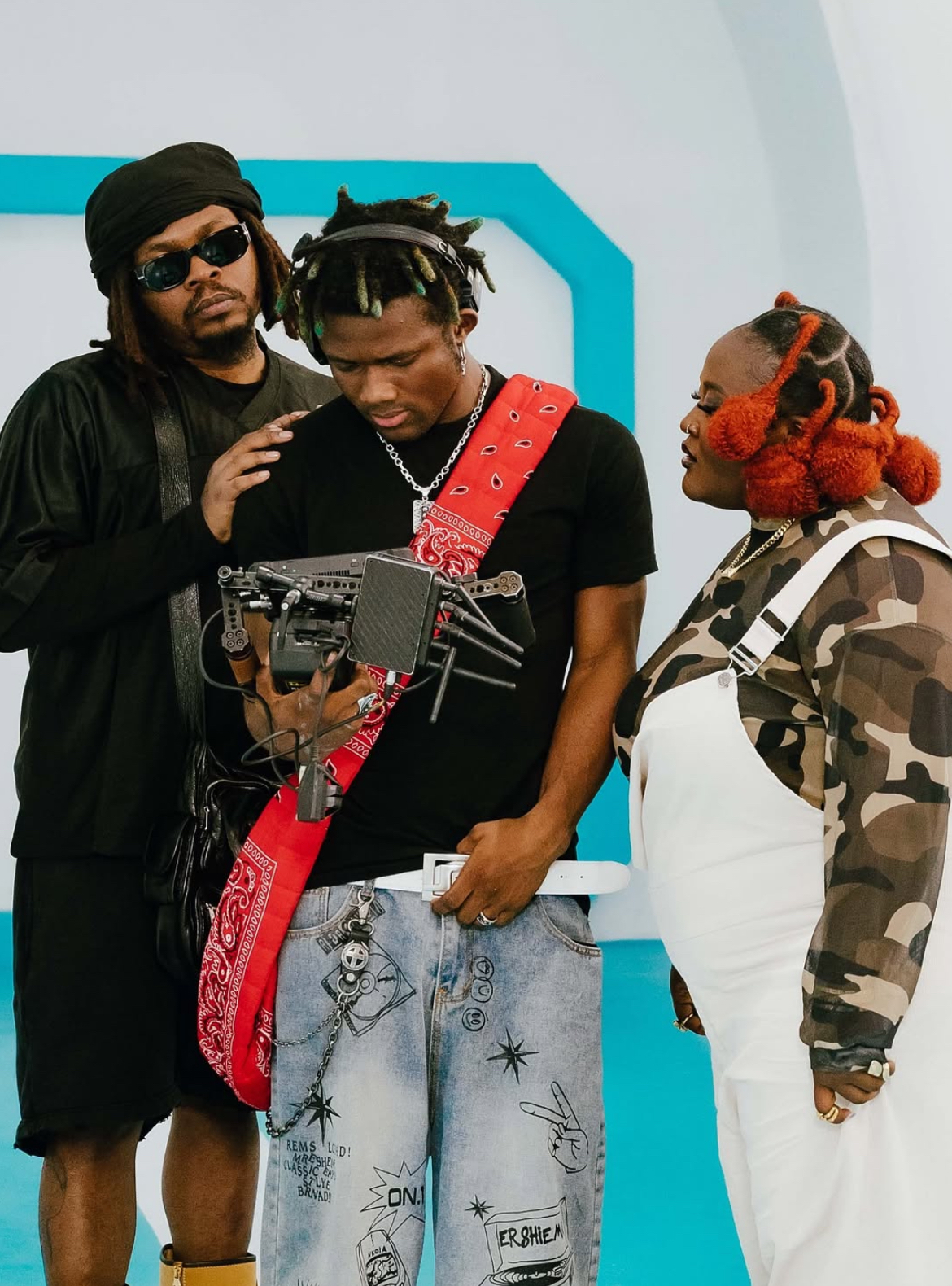
It was others who first pointed out the consistency in his work. The way certain elements recur across different projects creates a subtle but unmistakable signature. “That’s when I realised I might have a style,” he says. “But it wasn’t deliberate; it’s just a reflection of who I am, my taste, my perspective, my point of view as an artist.”
This organic evolution of style speaks to something deeper about Oluthewave’s approach to creativity. He believes that authenticity naturally emerges when artists create from “a real place” and maintain consistency.
“When you’re creating from a real place and you’re consistent, your essence will naturally show in your work, so even if the storyline or aesthetic changes from project to project, there’s usually something subtle, a recurring detail or choice, that signals, ‘This might be an Oluthewave video.’”
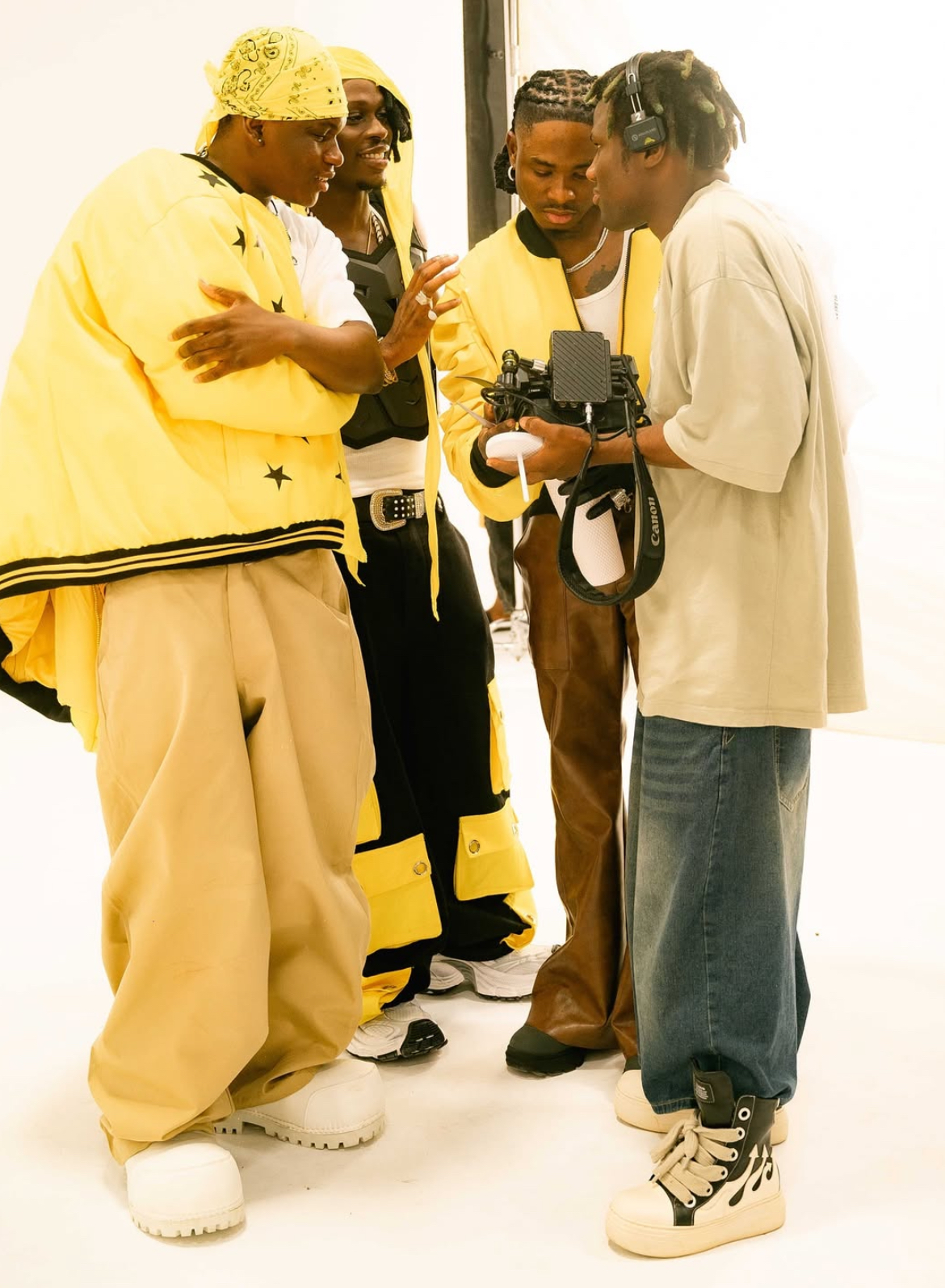
Despite this recognisable aesthetic, Olu The Wave resists being confined to any single approach. “I try to stay versatile. I don’t like being boxed in. I love experimenting with different styles and ideas, but somehow, a part of me still finds its way into the work, and I think that’s what makes it recognisable.”
Working across Nigeria’s diverse musical landscape, he has developed a fluid approach to collaboration that adapts to each artist and project. “It really depends,” he says of his creative process. “Sometimes, the artist already has an idea or a clear sense of direction for what they want the video to look like. Other times, they leave everything to the director. There are also cases where it’s a collaborative effort, we both have ideas, and we find a way to merge them.”
This flexibility reflects his understanding of his role in the creative ecosystem. When artists seek him out, he recognises it’s often because they want that distinctive “Olu The Wave spice”, that extra dimension he brings to visual storytelling. “Even if they have an idea, they probably feel like I’m the one who can bring it to life the way it deserves,” he notes.
The Emotional Architecture of Music Videos
For Olu The Wave, music videos are deeply personal documents that capture not just the artist’s vision, but his emotional state during creation. “I’m like a musician making songs from different emotional places, sometimes it’s joy, and even sometimes sadness,” he explains. “That’s exactly how I approach visuals, too. The way I feel at the time really shapes how the video turns out.”
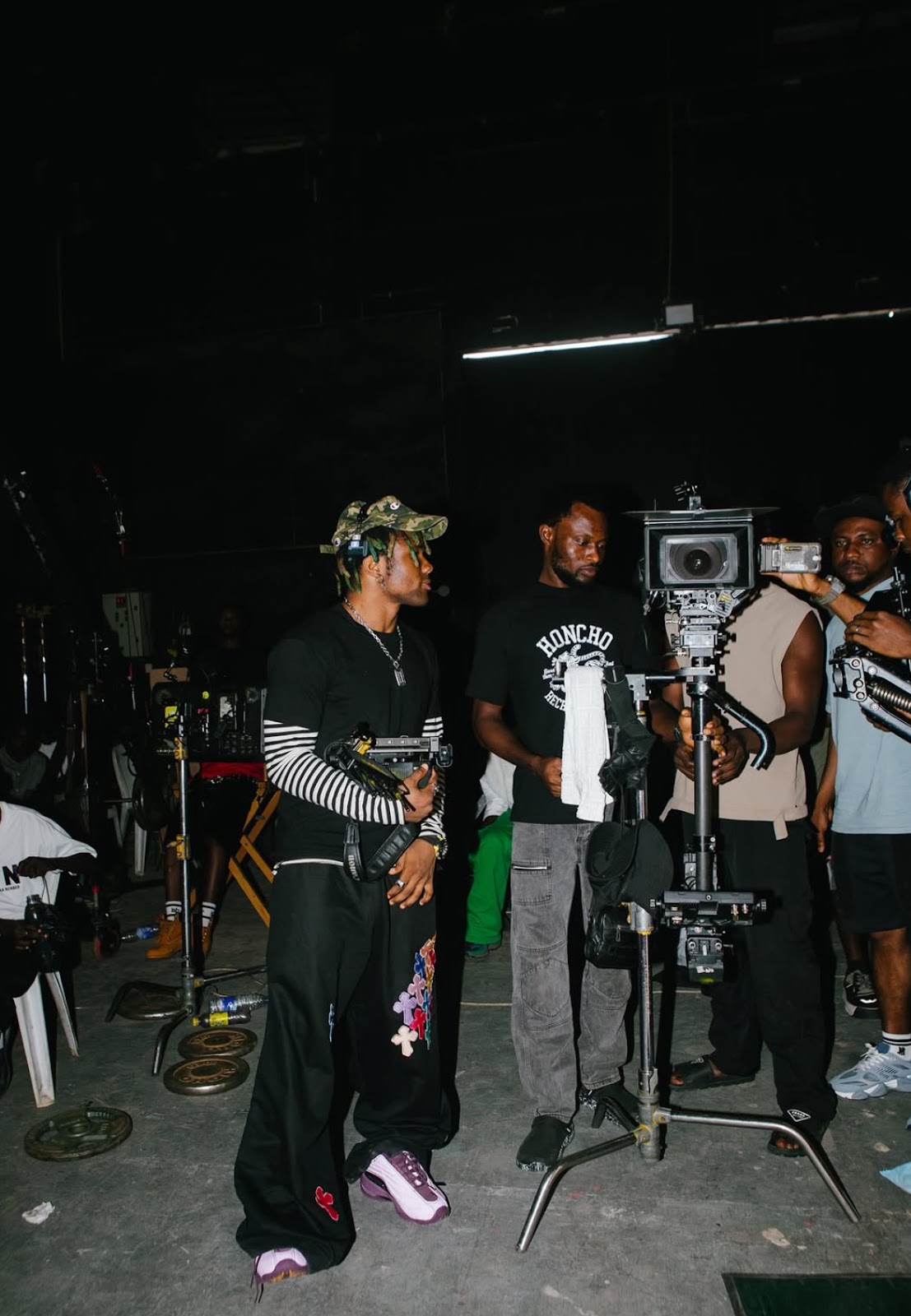
This emotional investment means that when he revisits his work, each video serves as a time capsule, transporting him back to the exact feeling or moment he experienced during its creation. “When I watch those videos again, I’m transported back to that exact feeling or moment I was in when I created it”
This intensity of connection makes it impossible for him to single out any particular project as most rewarding.
“Every project has its role to play and its emotional code for me. Everything I create is a part of me, so it’s hard to single one out.” The work extends beyond professional boundaries, and he finds himself “constantly coming up with ideas, creating visual boards for songs that don’t even exist yet.”
Behind the polished final products lie moments of genuine human drama that remind everyone involved of the stakes of their craft.
One incident that particularly stayed with Oluthewave occurred during the shoot for the music video of Fireboy’s “Hell and Back” off his last album “Adedamola”. During a scene requiring the artist to vandalise a car with a baseball bat, “his hand went through the glass with the bat and got cut. He got injured right there on set.”
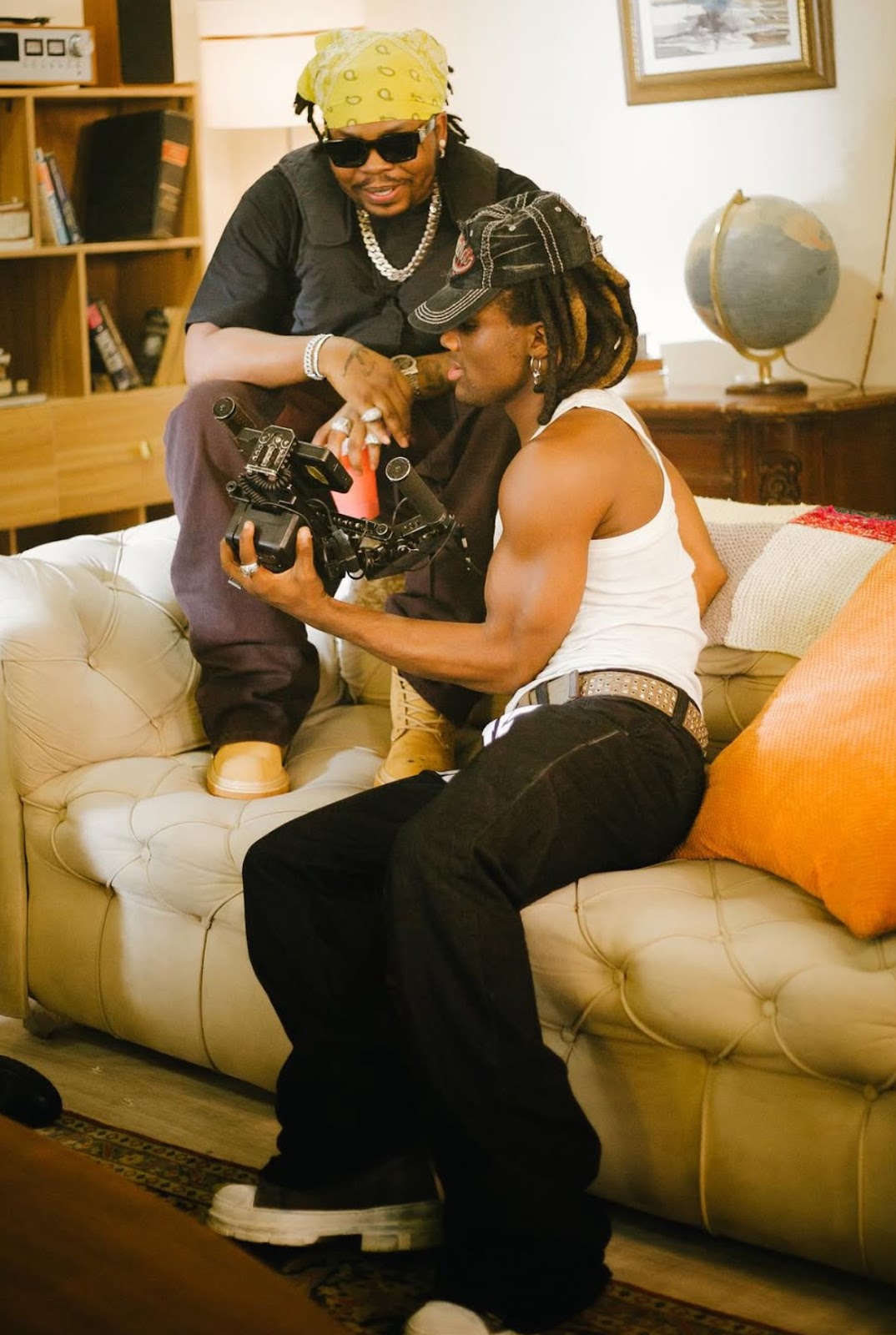
The shoot paused immediately, and while their first aid protocols handled the situation effectively, the moment haunted Olu The Wave. “I remember just standing there thinking, ‘Wow… I really just did this to Fireboy.’ I kept wondering if we could’ve taken more precautions or done it differently.”
The incident stuck with him not because of any drama from Fireboy, who remained characteristically “calm and cool”, but because it crystallised the director’s sense of responsibility for everyone on his sets.
One aspect of his work that Oluthewave feels is often misunderstood is the sheer scale of effort behind each project.
“What you see, a three-minute music video, is never a one-day job,” he emphasises. While shoots might be completed in a day or two, the reality encompasses weeks of pre-production and potentially a month of post-production work. “So this short video you’re watching might have taken two months to make.”
Beyond the time investment, there’s the human infrastructure that makes each project possible. “You’re looking at 50, 70, even 100 people who worked to bring that video to life, and most of them don’t get the recognition they deserve.”
This awareness of the collective effort behind individual credit speaks to his understanding of creative work as fundamentally collaborative, even when only one name appears in the spotlight.
The Creative Journey Continues
Olu The Wave acknowledges that his creative development has been shaped by countless influences, often operating at a subconscious level. “As a creative, whether you’re conscious of it or not, everything you consume, what you watch, listen to, experience, shapes your artistic decisions in one way or another,” he reflects.
This includes not just traditional filmmakers but extends to “comedy skit creators” and other forms of digital content. However, this openness to influence coexists with a strong commitment to originality. “When I create, I like to stay original. I want my work to feel like me and not a replication of another director’s vision.”
This balance between absorption and authenticity defines his approach to creative development, remaining porous to inspiration while maintaining the integrity of his voice.
Looking ahead, Olu The Wave’s ambitions are both expansive and simple. When asked about artists he’d love to work with, his response is characteristically inclusive:
“There are so many, honestly, too many to count. I want to create for everyone.” This desire extends even to repeat collaborations with artists he’s already worked with. “I just want to experience people and have them experience me. I want to collaborate widely, create deeply, and tell stories across as many voices as possible.”
His plans for the future reflect this same blend of ambition and groundedness: “I’m constantly working—whether it’s short films, documentaries, or more music videos. I just want to keep creating, keep the momentum going, and keep pushing myself. That’s really it, staying in motion and evolving through the work.”
This philosophy of constant motion and evolution through practice encapsulates much of what makes Oluthewave compelling as an artist. Rather than chasing trends or forcing innovation, he trusts in the process of consistent, authentic creation to drive both personal growth and artistic development.
In an industry often focused on the next big breakthrough, his commitment to the steady work of visual storytelling offers a different model of creative success.
For Olu The Wave, the work itself is both the journey and the destination, each project adding another layer to an ever-evolving visual language that speaks not just to audiences, but back to the artist himself, creating an ongoing dialogue between creator, creation, and the world that experiences both.

