


Ayra Starr has never been shy about telling the world who she is. She has built a reputation around confidence, femininity, and an ability to make music that feels both distinctly African and globally accessible. With her third album, Starr Girl, she takes that identity a step further. This is not just an album with a catchy title; it feels like Ayra Starr fully stepping into the “Starr Girl” identity she has been building for years. Released on August 14, the 16-track project brings together Afrobeats, R&B, pop, and everything, while showing how comfortable she has become with experimenting. The album feels confident, colourful and full of different sounds, but most importantly, it feels like Ayra Starr. Instead of trying too hard to prove that she is a global star, she simply makes music that shows she already belongs in that space.

The rollout was almost as important as the music itself. The purple aesthetic quickly became the visual identity of the Starr Girl era, with Ayra appearing in a striking purple gele on the album artwork. The choice was more than a fashion statement. It connected her global pop-star image to her Nigerian identity and gave the traditional gele a fresh and stylish feel. The purple theme continued across the album’s visuals and promotion, making the entire era feel connected. Even Ayra and Zayn Malik using each other’s profile pictures during the promotion added to the excitement surrounding their collaboration. The album also received support from major Nigerian stars, including Wizkid and Tiwa Savage, who shared their excitement about the project.

One of the best things about Starr Girl is that the album just makes sense from beginning to end. There is also a Nigerian touch right from the beginning. Terry Apala contributes background vocals to the intro, adding his recognizable sound without taking attention away from Ayra. It is a small detail, but it gives the opening of the album an extra Nigerian flavour and reminds listeners of the culture that remains at the heart of Ayra’s music. Songs such as “Amazing”, “Ms. Paper”, “Letter To God”, “Misunderstood” and “Pressure” show different sides of Ayra before the album moves into songs fans already know, including “Tornado”, “Hot Body”, “Where Do We Go”, “Who’s Dat Girl” and “Gimme Dat”. Even though some of these songs were released before the album, they do not feel outdated. Instead, they now feel like important pieces of the bigger Starr Girl story. “Gimme Dat” features Wizkid, while “Who’s Dat Girl” features Rema. The album also features Zayn Malik, Leon Thomas, kwn, Theodora, and Danny Ocean. Each artist adds something different without taking away from Ayra’s identity.

And then there is “Heaven Baby” featuring Zayn Malik. The song is arguably the best on the album. Ayra and Zayn meet over a soft, piano-led production that allows both singers to shine. Ayra’s warm delivery works beautifully with Zayn’s falsetto, creating a romantic and emotional record that sounds different from the more energetic songs on the project. The collaboration may have looked unexpected on paper, but once you hear it, it makes complete sense. It is the kind of song that makes you want to press replay as soon as it ends.
The reaction to “Heaven Baby” has also added to its appeal. Fans have praised the chemistry between Ayra and Zayn and how naturally their voices work together. The song feels like one of those collaborations that nobody knew they needed until they heard it. Ayra does not sound out of place beside Zayn, and Zayn does not overpower the song. Instead, they meet somewhere in the middle and create one of the album’s strongest moments.

The other collaborations are just as important to the album’s balance. Wizkid brings his star power and smooth delivery to “Gimme Dat”, Rema adds energy to “Who’s Dat Girl”, while Zayn gives “Heaven Baby” its softer international pop sound. Leon Thomas appears on “Pressure”, kwn features on “Amazing”, Theodora joins Ayra on “Ms. Paper”, and Danny Ocean appears on the “Hot Body” remix. Rather than feeling like features added simply because the artists are popular, the collaborations fit into the different moods of the album.

Another major strength of Starr Girl is how well the songs that came before the album fit into the final project. “Gimme Dat”, “Who’s Dat Girl”, “Hot Body”, “Where Do We Go” and “Tornado” had already been released, but they still sound fresh when listened to as part of the full album. “Gimme Dat” still has the excitement of an Ayra Starr and Wizkid collaboration, while “Who’s Dat Girl” remains one of the project’s most energetic songs. “Hot Body” is still full of confidence, and “Where Do We Go” keeps its catchy, easy-to-enjoy sound. “Tornado” also fits naturally into the project, adding another strong pop moment.
What makes all of this work is that Ayra does not sound afraid to show different sides of herself. She can move from the confidence of “Hot Body” to the energy of “Gimme Dat”, the fun of “Who’s Dat Girl”, the pop sound of “Tornado” and the emotional side of “Heaven Baby” without making the album feel scattered. The songs may sound different, but they all carry the same personality.

At its heart, Starr Girl is an album about Ayra Starr becoming more comfortable with who she is. She is no longer the young artist trying to find her place in the industry. She sounds like an artist who understands her voice, her style and the kind of global audience she wants to reach.
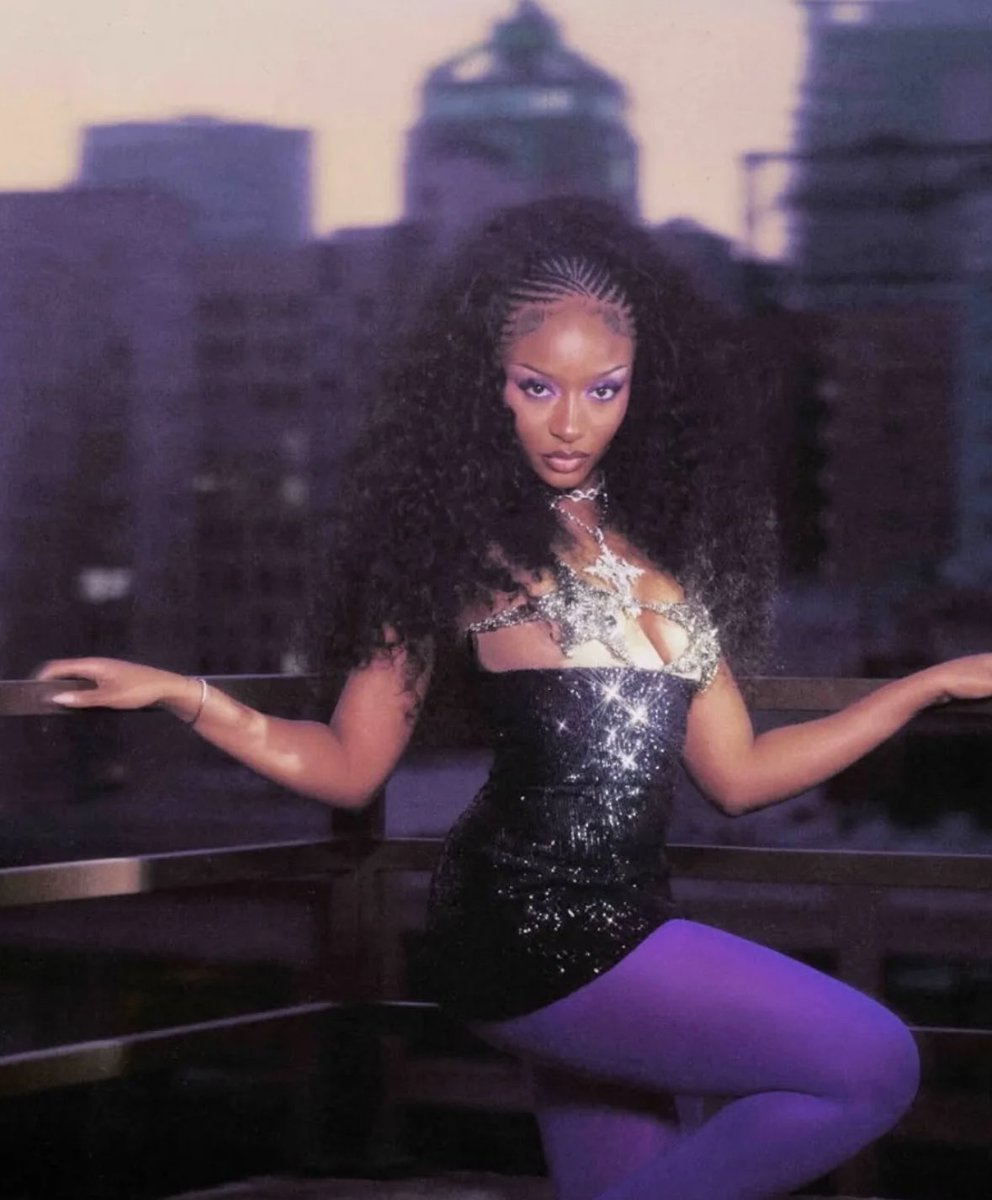
That is why the title works so well. Starr Girl is not just the name of an album; it describes the artist herself. The purple visuals, the gele, the Nigerian influences, the international collaborations, the previously released songs and the new material all come together to tell the same story.

