


In the 1990s and early 2000s, Nollywood villains were hard to forget. These were the characters who stirred trouble, manipulated situations, and drove the conflict in many of the era’s most popular films.
Some actors became especially known for how convincingly they played these roles. Whether they were strict patriarchs, scheming elders, ruthless businessmen, or outright wicked antagonists, their performances stood out and stayed with audiences long after the credits rolled.
This list looks at actors who nailed villain roles in old Nollywood movies. Their portrayals helped shape the tone of many classic films and remain some of the most memorable antagonist performances from that period.
Patience Ozokwor
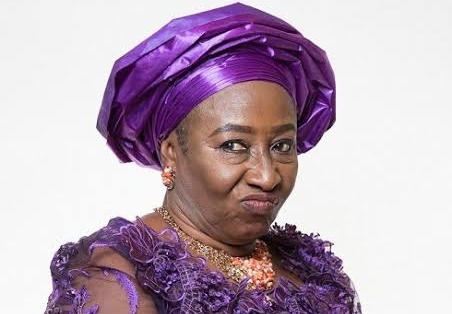
Patience Ozokwor, popularly known as Mama G, is the undisputed queen of Nollywood villainy, best known for playing wicked mothers-in-law and evil stepmothers. Her performances were defined by a sharp tongue and a frightening commitment to ruining the lives of her enemies, often driven by greed, jealousy, or pure malice.
Her characters were consistently troublesome. If you were watching a Patience Ozokwor film, nine times out of ten, you expected her to be the villain.
From actively plotting harm to making her enemies’ lives miserable and always insisting on getting the final word or laugh, Patience Ozokwor was so convincing in these roles that her characters became synonymous with cruelty, manipulation, and chaos.
Appearances: Wicked Mother, Mama G, My Neighbor My Enemy
Clarion Chukwura
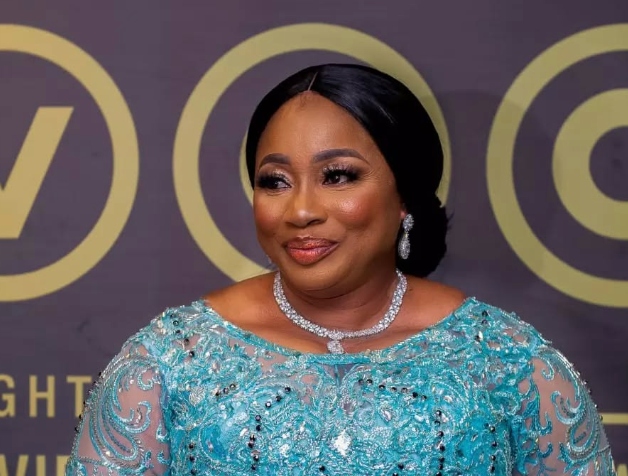
Clarion Chukwura often gravitated toward refined, upper-class roles, playing women whose elegance concealed a calculating and often cruel nature. Her characters were formidable antagonists, unafraid to engage in high-stakes power struggles fueled by greed, jealousy, or obsession.
As a villain, she frequently embodied treacherous socialites and influential figures within secretive women’s circles, using status, manipulation, and intimidation as weapons. Whether already wealthy or plotting her rise, her characters moved with quiet menace.
With a commanding screen presence and a voice that could slip effortlessly from smug triumph to outright threat, Clarion Chukwura made danger feel refined but lethal.
Appearances: The Blood Oath, Midnight Love, Pain of a Single Mother, Powerful Woman
Kanayo O. Kanayo (KOK)

Kanayo O. Kanayo became the defining face of Nollywood’s “money ritual” subgenre, embodying an archetype that shaped a significant era of old Nollywood storytelling. He specialized in playing refined men whose calm exterior concealed a willingness to commit unspeakable acts in pursuit of wealth and power.
If KOK appeared in a film, chances were high he was a wealthy man whose fortune was built on ritual sacrifice. He first cemented this chilling persona as Chief Omego in Living in Bondage, a role that permanently linked him to ritualistic villainy on screen. From there, the image followed him across multiple films, reinforcing his reputation as Nollywood’s ultimate on-screen ritualist.
Appearances: Billionaires Club, Brothers of Fast Money, Desperate Billionaire, Living in Bondage
Chiwetalu Agu
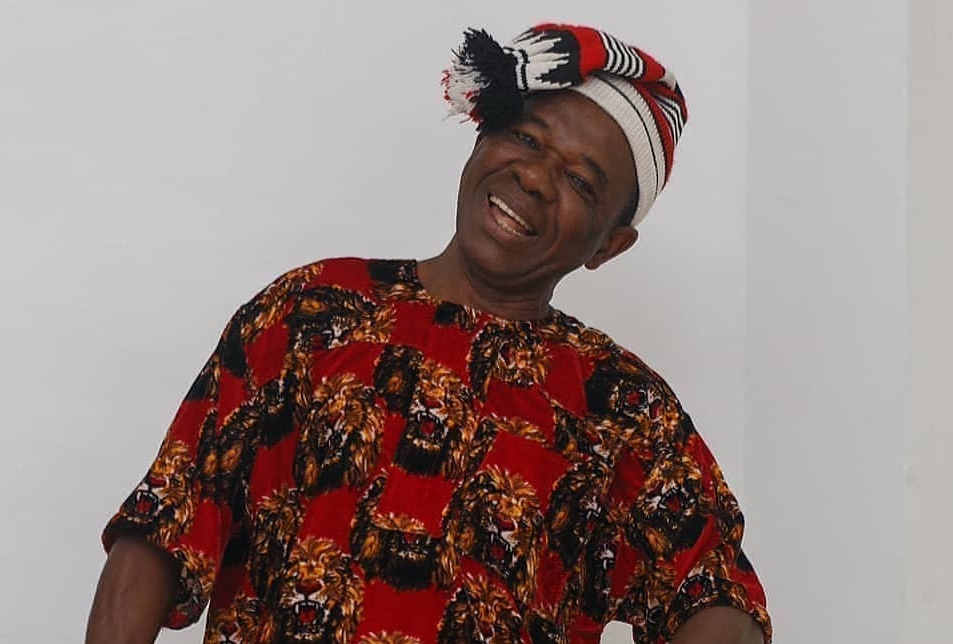
Chiwetalu Agu mastered the role of the cunning, wicked uncle or scheming villager, often using dark magic, deceit, and sharp wit to dispossess relatives of land or inheritance. His brand of villainy was distinctive, blending genuine malice with an almost theatrical sense of humor that made his characters unsettling and entertaining in equal measure.
He became especially famous for his unforgettable catchphrases (there’s a TikTok compilation of them), which gave his villains a strange cultural afterlife beyond the films themselves.
Whether playing a cult member, greedy village elder, or manipulative henchman, Agu’s exaggerated delivery turned despicable characters into memorable ones. You hated his actions, but you always waited for what he’d say next.
Appearances: Pastor’s Blood, Evil Wind, Evil at Heart, Okemmiri The Dreaded Wizard
Eucharia Anunobi
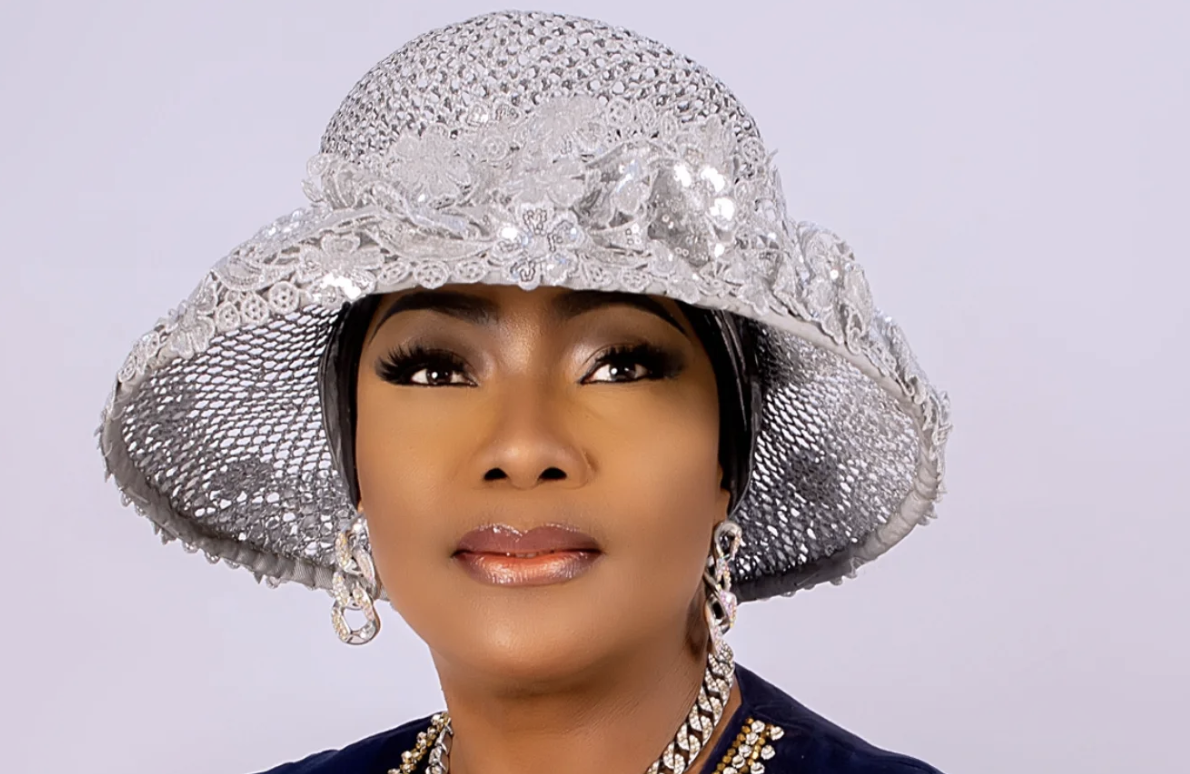
Eucharia Anunobi brought a cool, unsettling sophistication to her villainous roles, often playing glamorous women whose poise masked a sharp cruelty. Her characters were typically high-society figures who used beauty, intelligence, and manipulation to secure material comfort and social advantage, rarely showing remorse for the damage left in their wake.
Her villain roles also made deliberate use of her striking, instantly recognizable look, heavy eyeliner, bold eyeshadow, and ultra-thin brows, which became part of her on-screen menace. Eucharia’s antagonists were stylish without being soft, proving that a villain could be visually glamorous and genuinely ruthless at the same time.
Appearances: Bad and Evil Women, Be Careful of Rich Married Women, The Heartless
Pete Edochie
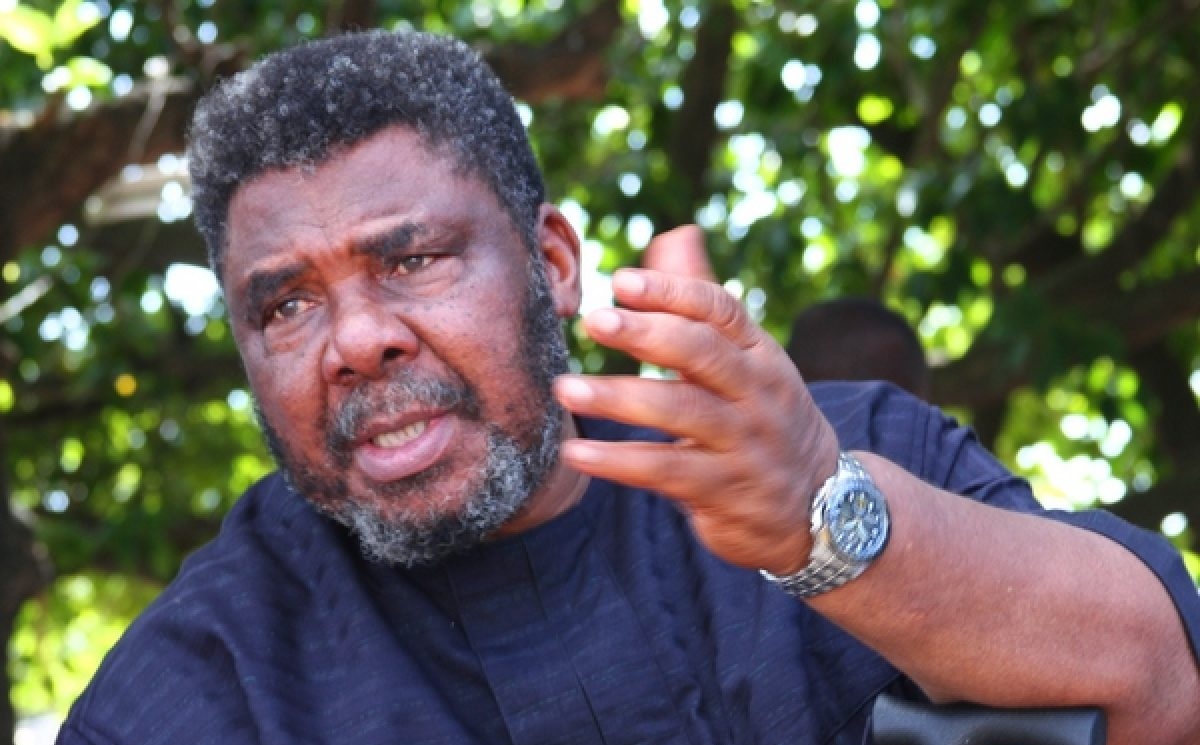
Pete Edochie’s commanding screen presence and deep, resonant voice made him a natural fit for authoritative villain roles, particularly as tyrannical kings, patriarchs, and cult leaders. His antagonists were often men who weaponized tradition, age, and spiritual authority.
His performances frequently leaned on the heavy use of proverbs, delivered with a calm, unyielding certainty. Edochie brought an authoritarian energy to villain roles that was magnetic to watch, his voice and presence alone enough to unsettle.
Though he often appeared as a gentle, grandfatherly figure, Pete Edochie could turn that familiarity into menace with ease, proving just as convincing as a ruthless antagonist as he was as a benevolent elder.
Appearance: Billionaire’s Club, The Devourer, Bloodbath, Bad Kings
Clem Ohameze
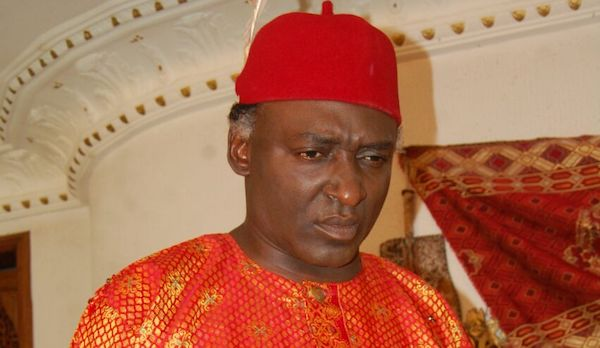
Clem Ohameze frequently played characters entangled in occult societies or driven by extreme, destructive greed. His breakout role in Endtime helped cement his reputation as an actor closely associated with stories of spiritual consequence and dark, secret dealings.
Known for his intense facial expressions and ability to convey inner torment, Ohameze became a natural fit for characters who had sold their souls for power. His villains were often deeply shady figures; if there was a cult, ritual sacrifice, or nefarious plot at the center of a story, he was likely involved.
Over time, he built a career around these roles, resulting in audiences instantly recognizing him as one of the bad guys whenever he appeared on screen.
Appearances: Billionaire’s Club, Fast Money, Executive Billionaires, Smooth Manipulator
Segun Arinze
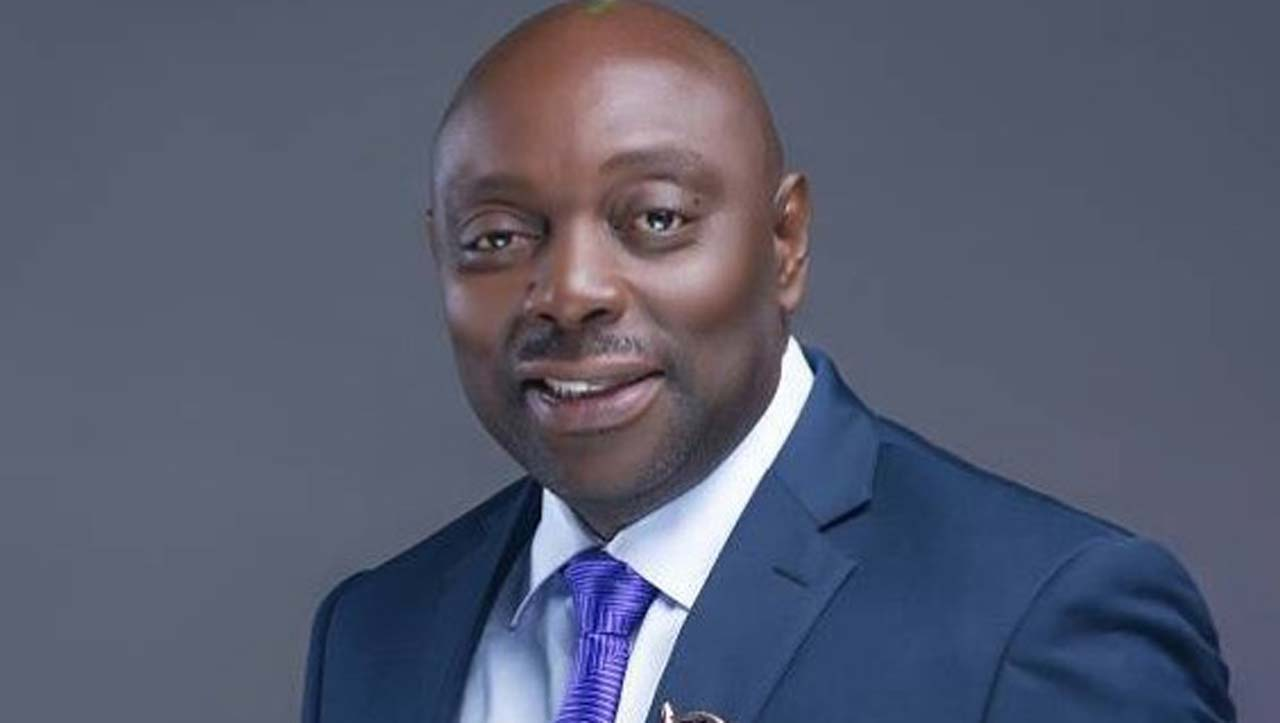
One of the roles Segun Arinze is best known for is his intense, ruthless portrayal of the menacing gang leader, most memorably as Black Arrow in the action thriller Silent Night. His performances were defined by a gravelly voice, an unflinching gaze, and a palpable sense of danger. As Black Arrow, he was volatile, unpredictable, and genuinely frightening.
The character quickly became synonymous with Nollywood’s archetypal “bad boy,” a ruthless criminal operating outside the law with terrifying efficiency. Through this role, Arinze cemented his place as one of Nollywood’s most convincing screen villains of the era.
Appearances: Highway to the Grave, Vuga, Black Arrow
Justus Esiri
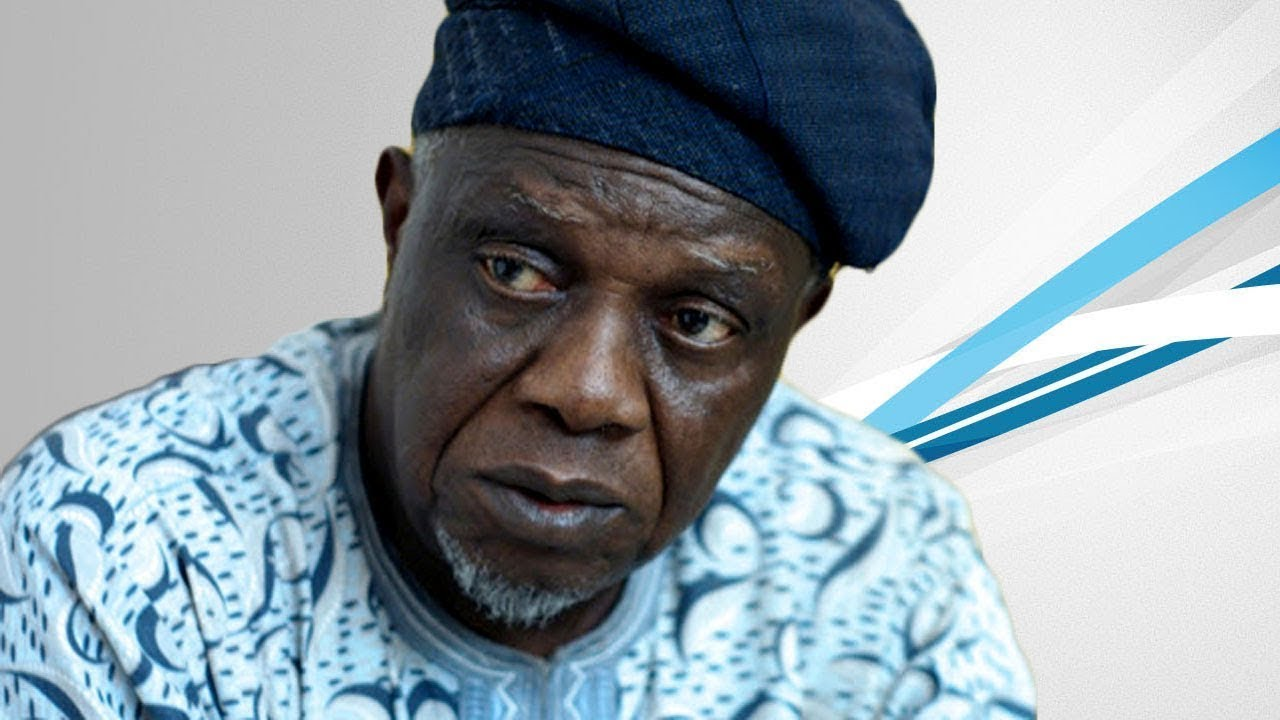
The late Justus Esiri, despite a career that spanned a wide range of roles, frequently played calculating patriarchs whose authority masked darker intentions. His villains were often wealthy, respected men who operated behind a façade of dignity, using social standing, tradition, or influence to conceal corruption or moral decay.
Esiri’s antagonists were unsettling because of their restraint. Cold and controlled, they rarely bothered to disguise their displeasure. His villains were domineering and commanding figures whose menace came not from ritual violence but from manipulation, betrayal, and quiet scheming.
Appearances: Evil in the Land, Evil Pretender, Wicked Politicians
Tony Umez
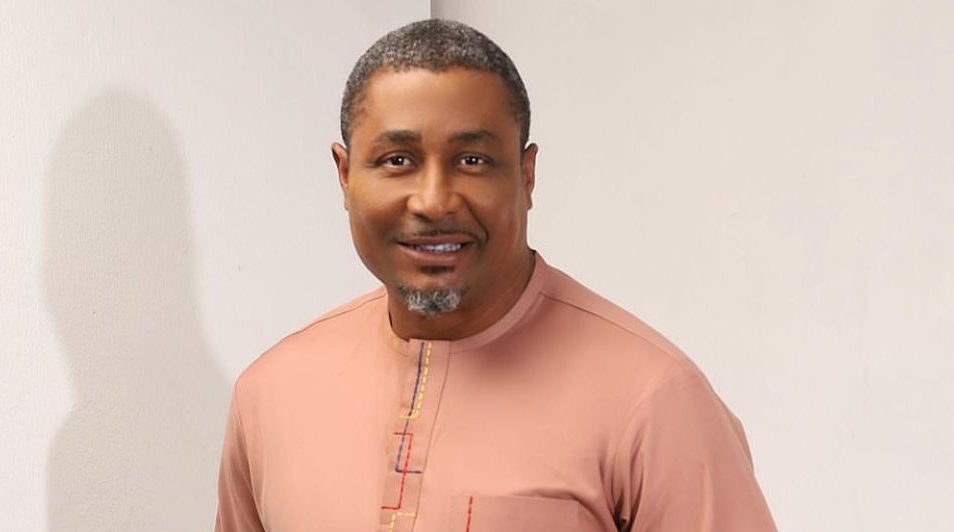
Tony Umez’s villainy often took the form of weakness, manipulation, and quiet betrayal. He was frequently cast as the compromised husband or seemingly decent man who allowed himself to be drawn into dark schemes, whether by ambition, greed, or the influence of stronger, more ruthless figures. While rarely the mastermind, his characters’ poor decisions often set destructive events in motion.
He became especially known for playing the “mumu” husband, outwardly harmless but morally pliable, whose loyalty and judgment collapsed under pressure. In films like Died Wretched and Billionaires Club, Umez was great at portraying antagonists who smiled, called you “darling” or “friend,” and plotted behind your back.
His villains were not loud or openly menacing, but insidious, dangerous precisely because they hid their evilness behind politeness and false innocence.
Appearances: Billionaires Club, Fast Money, Wicked and Evil Friend

