


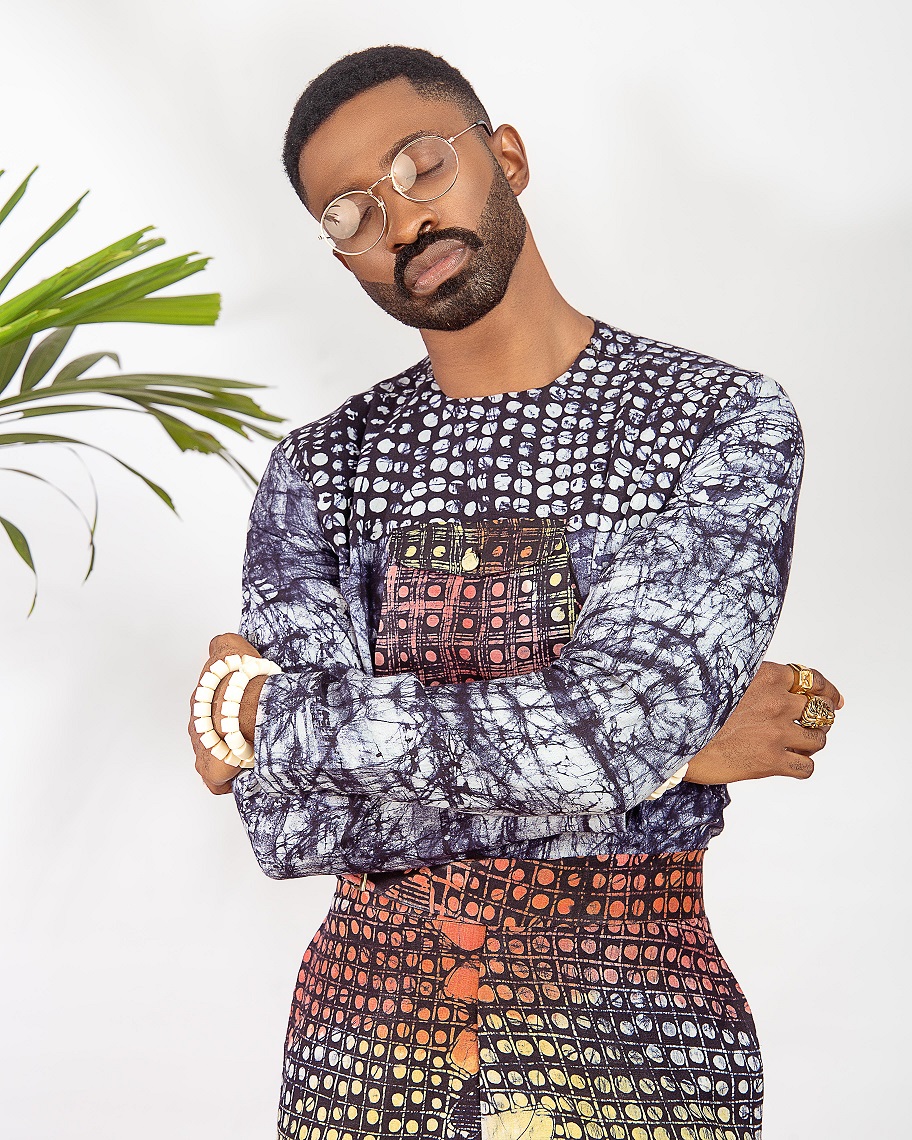
On Friday, February 26, 2021, the National Broadcasting Commission (NBC) made news rounds after singer Ric Hassani alleged that his single ‘Thunder Fire You’ had been banned from radio airplay by the commission.
Then Naira Marley’s ‘Coming’, a song overflowing with lewd lyrics featuring South African singer Busiswa, was reportedly banned 24 hours after it was released on Thursday, March 18, 2021.
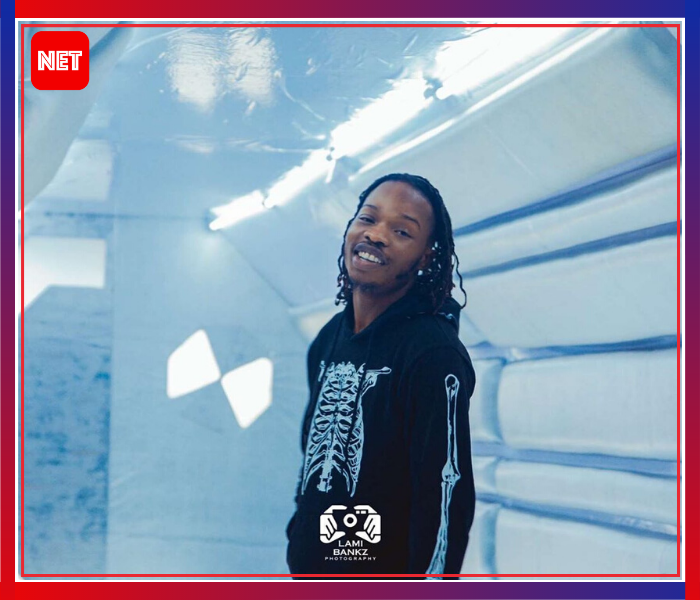
The ban intended to reduce both songs’ penetration in the media. Instead, it created an opposite effect. Both tracks became more popular, with curious fans streaming and downloading on multiple platforms. ‘Thunder Fire You’ recorded a significant increase in streams in the week following the announced NTBB ban.
A portion of the Nigerian Broadcasting Code on Character of Broadcasting published by the Commission reads: ‘Nigerian broadcasting shall essentially match the best in the profession, yet be distinctively Nigerian, projecting the best and discouraging the worst in the society… therefore, no broadcast shall encourage or incite to crime, lead to public disorder, be repugnant to public feeling or contain an offensive reference to any person, alive or dead, or generally, be disrespectful to human dignity.’
The laws highlighted above ensure that the cultural, political, social, economic, technological, and professional objectives of nation-building are observed and maintained. Once a broadcast material doesn’t meet all these requirements, it gets tainted with the NTBB ban to slow its progression into mainstream media.
While the idea of slowing down penetration seems logical, the mechanisms through which it does this hasn’t expanded to cover new routes of consuming music. This move to ban might have been effective if carried out in the ‘90s when the primary source of music consumption was terrestrial television and radio stations. Today, the scales have tilted in favour of the internet that offers international streaming services like YouTube and Spotify. where NBC has no control.
By 2025, internet users in Nigeria would have increased from 96.05 million recorded in 2020 to 152. 28 million. By these projections, it only means NBC further loses its grip.
On April 2, cumulative stream figures for ‘Coming’ on YouTube stood at 330,000 views just two weeks after its release. After the Easter break, it had raced up to 467,000 views. ‘Coming’ sits comfortably at the number one spot on the Nigerian Apple Music. The official video for ‘Thunder Fire You’ has racked up over 500,000 views pre-Easter. It added 29,000 additional views after the Easter period.
In both these cases, the ban helped amplify their presence in the music space.
NBC can choose to ban any song it wants, but in today’s world, that action is the attention every artiste prays they get. It is free publicity that exploits music fans’ emotions to show support for a beloved artiste.
In a chat with Netng, Ric Hassani says he’s not exactly bothered.
“I don’t mind. It’s even a very nice thing. It hasn’t changed anything; to be honest, I’ll just keep making music. Making music is one of the easiest things for me to do. I’ve made a lot of songs, no big deal. Yes, they banned one song; I’ll make another song. If there is anything I got from that whole situation, it is just that now, my career has risen to a level I can actually have the attention of the National Broadcasting Commission.”
He continues: “When I was coming into this year, one of the goals for myself and my team is: we need to find a way to break into Nigeria. My career has been kind of weird for the past two, three, four years. I have been an up-and-coming artiste in Nigeria, but I have sold out shows in Honduras, Malawi, Mauritius… and these are not even Nigerians. I do all these shows outside Nigeria, and [when] I come back, I’m still an up-and-coming artiste? We said we had to find a way to make this thing pop here. That was our goal. This NBC ‘thing’ is a serious success for my team and me. Now I can tweet something, and it’s a more serious thing. Before, nobody cared in Nigeria.”
Since NBC didn’t publicly announce the ban, Netng inquired into how he discovered that his song was on the NTTB ban list. Hassani declined to talk about his source who works at a radio station, for job security reasons.
By and large, the singer doesn’t think that the ban was appropriate for a song he describes as ‘clever’.
“I don’t think the basis was solid enough. It’s just a clever song. I didn’t say anything in that song. I don’t think the basis was strong enough, but it was something that was meant to happen for my career. So, honestly, I wouldn’t have it any other way.”
To gain another perspective on the ban, our team reached out to Naira Marley. He failed to respond.
As of the time of publishing this report, NBC has yet to respond to our inquiries concerning the two subjects or its perspective on regulating music beyond the spectrum of radio and television.
In a new digital world that avails everyone the freedom to choose content, NBC needs to review and update its guiding principles, the Nigerian Broadcasting Code, to better regulate music in the country. But even this seems futile. The internet is mainly unregulated sans cases where countries shut down certain websites. With all these in mind, its actions have registered in the minds of artistes as ‘all barks and no bite.’
In all these, the ultimate gainers are the artistes and the streaming platforms. A bit for consumers as controversies excite. Obviously, banning a song in this era has the boomerang effect.
For years to come, provided NBC continues to thread this path, they will keep pushing the frontiers in ways they never planned – the opposite direction.

