By David Hundeyin
When the touchy subject of royalties for Nigerian music use was covered at the 2014 Nigerian Entertainment Conference (NECLive), not many present believed that a solution to the thorny issue would be discovered anytime soon. A few optimistic people may have projected that it might come sometime in the next few years. Certainly no one thought that by the time NECLive 3 came around, a complete and integrated solution would have been found.
No one, that is, except the brains behind Nigerian Entertainment Today (NET) which convened the annual conference. The idea was an ambitious one – create a music platform that will make use of a business model that permits royalty payment while being able to gain sufficient acceptance in the consumer space, and then leverage on consumer acceptance to create solutions to even bigger problems in the music industry.
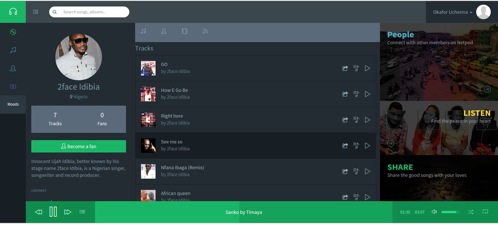
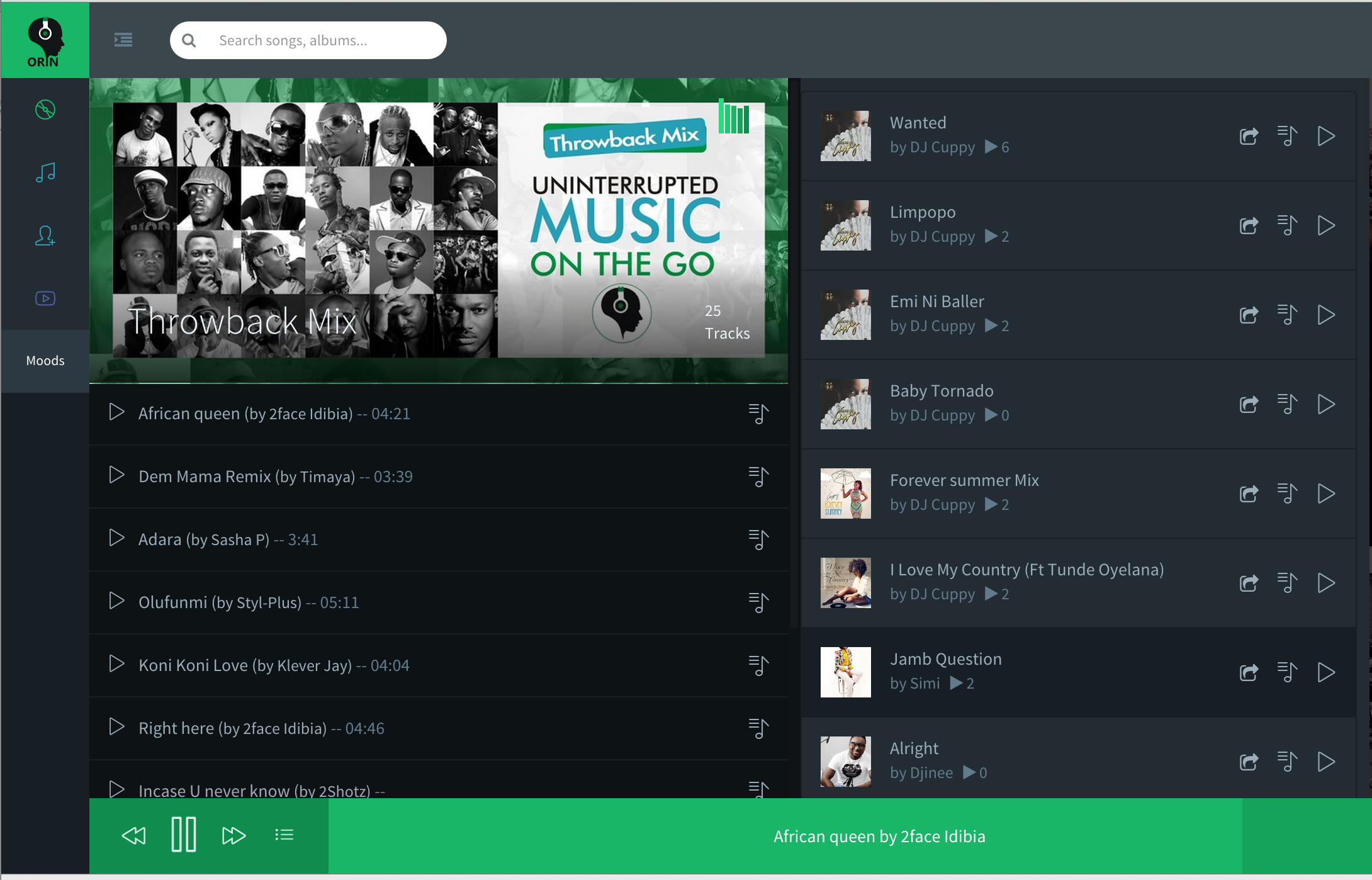
After months of painstaking research and development, a platform called Orin was unveiled at the April 2015 Nigerian Entertainment Conference by NET Publisher Ayeni Adekunle. This platform, a mobile site and application, is a content streaming service which has a sizeable and growing library of 100% African music and video content. It also functions as a social network with functionality such as user profiles, likes, comments, polls and conversations.
What makes it best placed to be the solution to the long-running royalty-payment dispute and a successful platform is very simple – Orin pays artistes royalties and it does this without charging signup or subscription fees. It is able to do this by the creative merger of two entirely separate tech categories. An examination of this merger throws up some very interesting possibilities and questions.

The normal business model of a content streaming service is to charge users a one-off signup fee or a monthly subscription in exchange for access to its content library. Orin understands that such a model or any model that requires direct consumer payment is very unlikely to catch on in Nigeria anytime soon and it sidesteps this pitfall entirely by monetizing the whole platform in a way which betrays what it actually is underneath the cover of a music and video streaming service.
Orin uses its social media functionality to generate revenue streams which African-content streaming platforms have not paid much attention to. These include data mining and analytics and targeted ad placements. Labels, artistes, brands and even governments in Nigeria and across Africa tend to suffer from a lack of sufficient data regarding content usage. Orin users sign up for free and put in some basic demographic information which helps the platform answer questions about content usage such as “Who is listening to what?” “Where are they listening to it?” “How old are they?” “Are they single or married?” “Are they parents or not?”

This collection of high quality data is of great value and Orin is able to leverage on this to transfer the cost of the service from the African consumer who is unwilling to pay for content in a market saturated with easily accessible free downloads. By doing this, Orin attracts users who desire access to its massive African content library and retains them because it is free to them and it has a user interface that is easy to use and customizable.
Orin prides itself on being simple to use. The user spends less time fiddling with the layout and more time exploring the huge audiovisual library projected to top 100,000 files by the end of the year as older content is digitized and added.
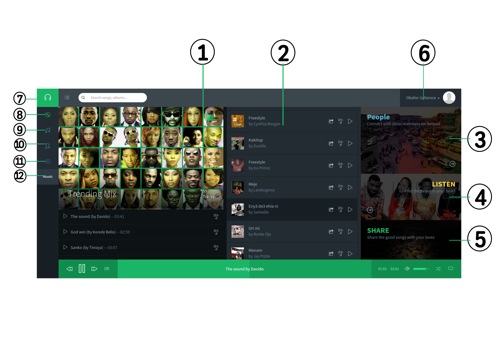
The basic Orin user experience is made up of eight major components namely:
- The Mixtape: Where users can view the track listing of the platform’s active mix tape,
- Recently added tracks: Which lists the most recent tracks the user has listened to,
- People: Which displays members on the site and gives users the chance to connect to other users randomly or based on shared conversational or content preferences.
- Listen: Where the audio library can be accessed.
- Share: Which is a big selling point of Orin. Here users can share tracks with friends on Orin and across various social networks.
- Profile Settings: Where users can edit their profiles, change their settings and preferences and manage their login and security details.
- Discover: Which redirects users to the platform home screen in order to navigate to another section of the platform
- Artist: Where all artists on Orinare listed.
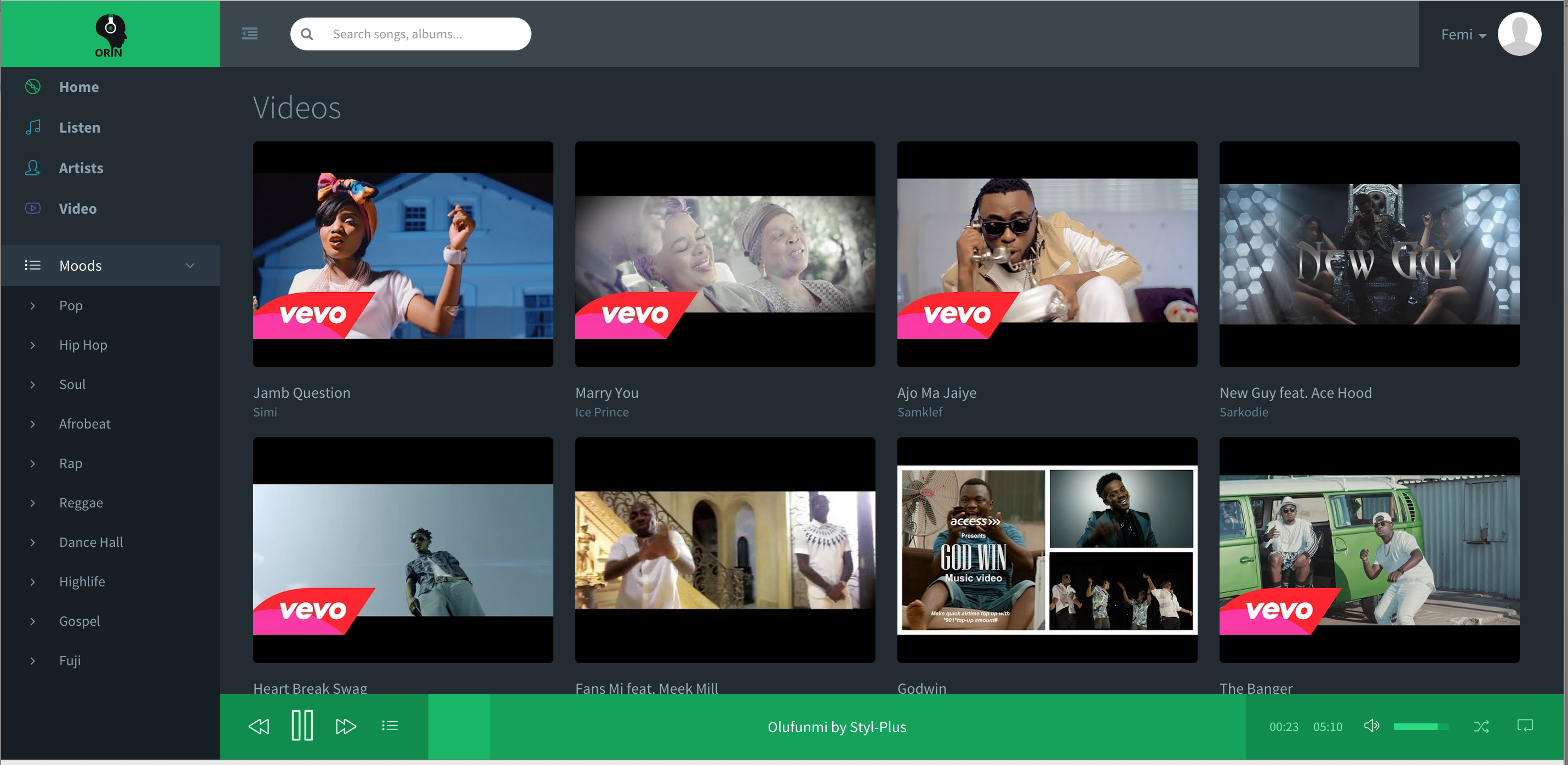
- Videos: Where recently added videos are listed.
- Moods: Which displays the various genres of tracks on the site.
Currently, the Orin mobile app is still under development and when finished, it will be available on Android, iOS, Blackberry and Windows mobile devices. Already the Orin website is live and fully functional and it is available on all mobile browsers.