“Nobody be area boy, na when you find something, if e no dey for house, you come outside. (Nobody is an area boy. When you’re looking for something, if it’s not at home, you come outside).”
– Uchenna ‘UCHMAN’ Eneh
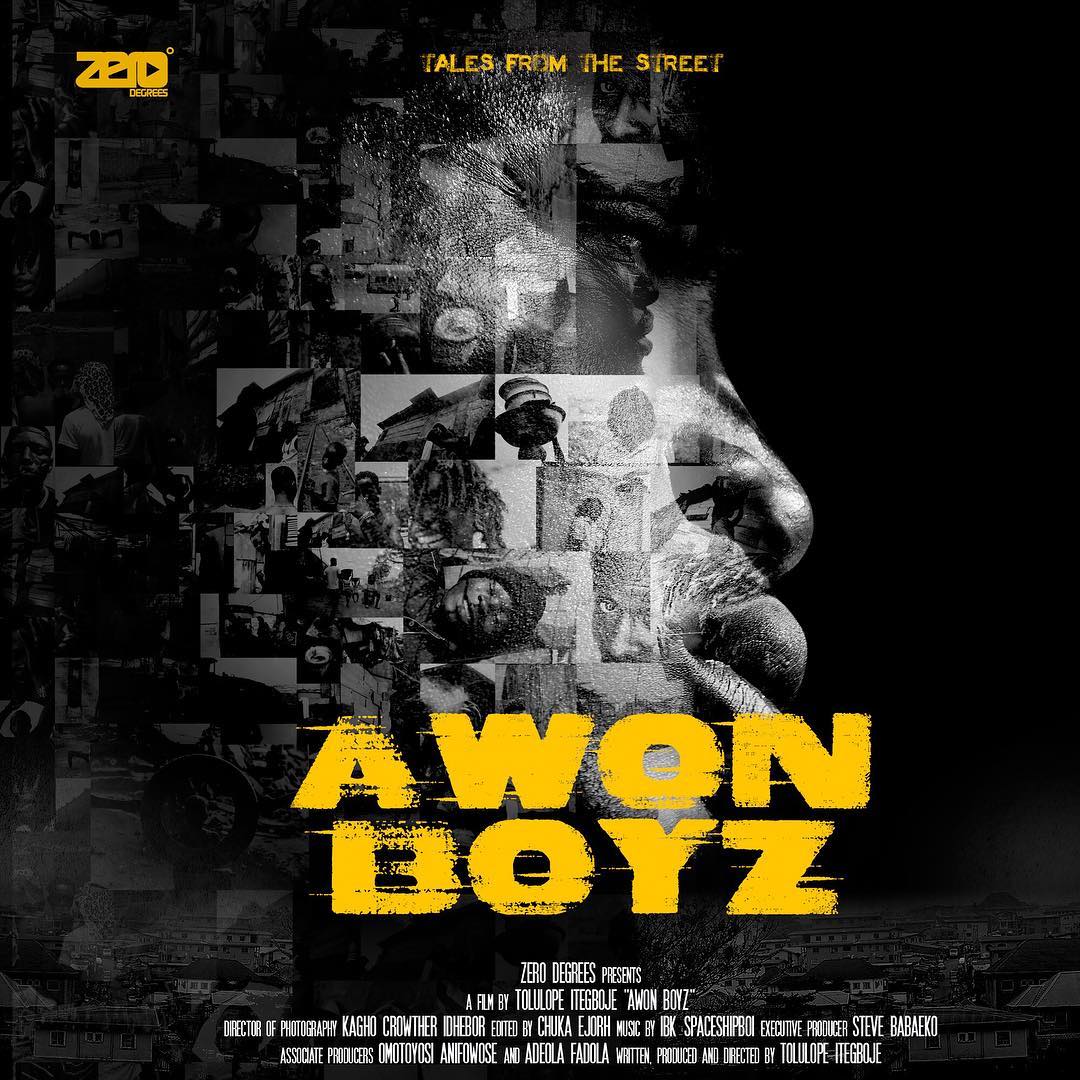
Who is an area boy? That was the question that opened the Awon Boyz. I, too, asked myself that question. I shouldn’t have, though, because by the end of the documentary, what I knew to be the definition had changed.
Tolulope Itegboje created this documentary to tell the story of the streets by those who live in them. The Awon Boyz follows seven men who some would call ‘area boys’. I laughed, stared in shock, and I cried. If you should take away anything from this review, you need to stop existing in your bubble. As a people, we cannot see another man’s struggles, which is a monumental crime.
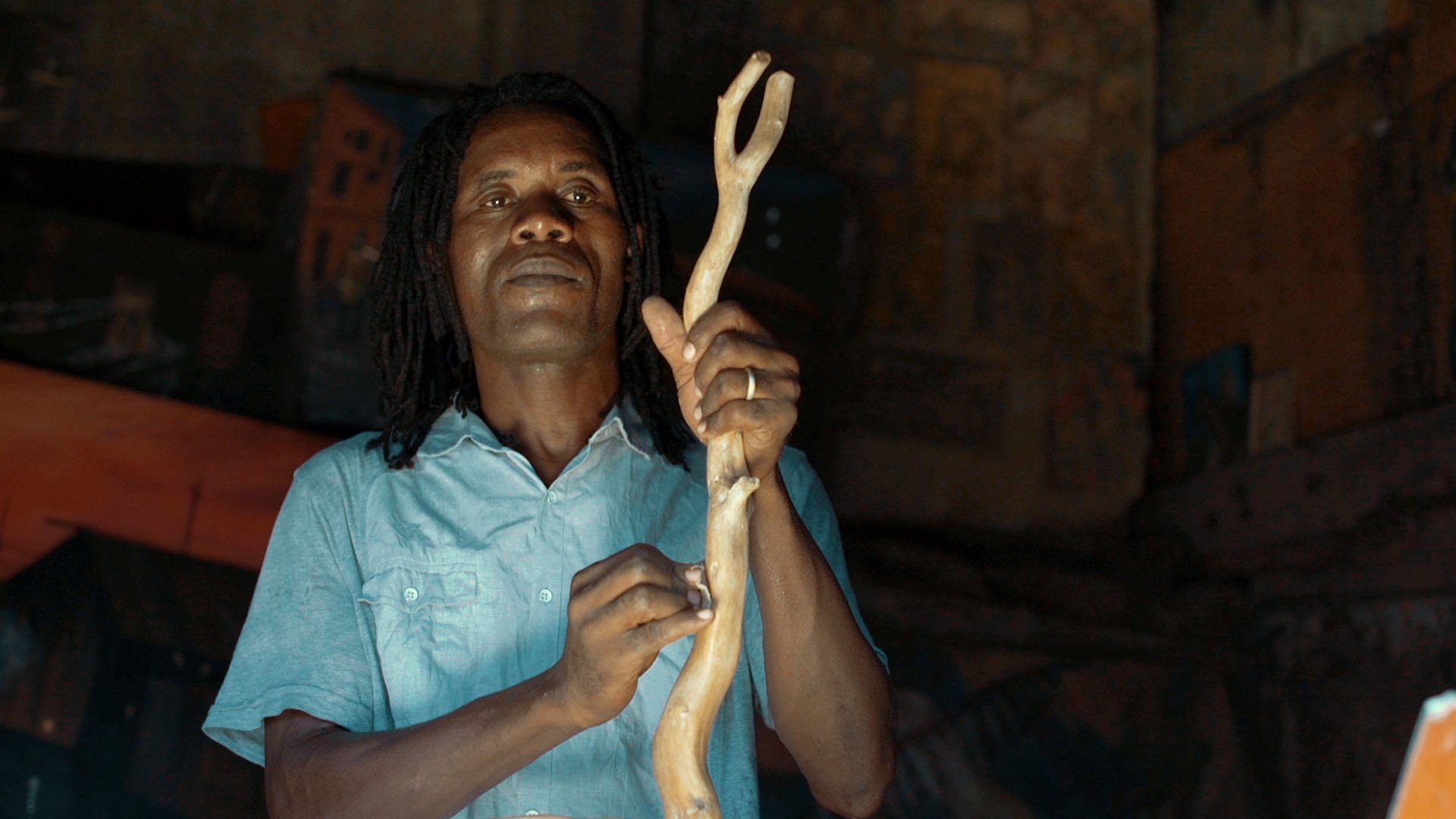
In Monkey Village, we meet VOLUME, who left Kano for Lagos, searching for a better life. VOLUME is a visual artist who struggled to sell his art on the streets of Lagos. One fateful encounter left him with no money, no phone and no gold chain. Who did it? Area boys. He decided to become one, so they couldn’t do it again.
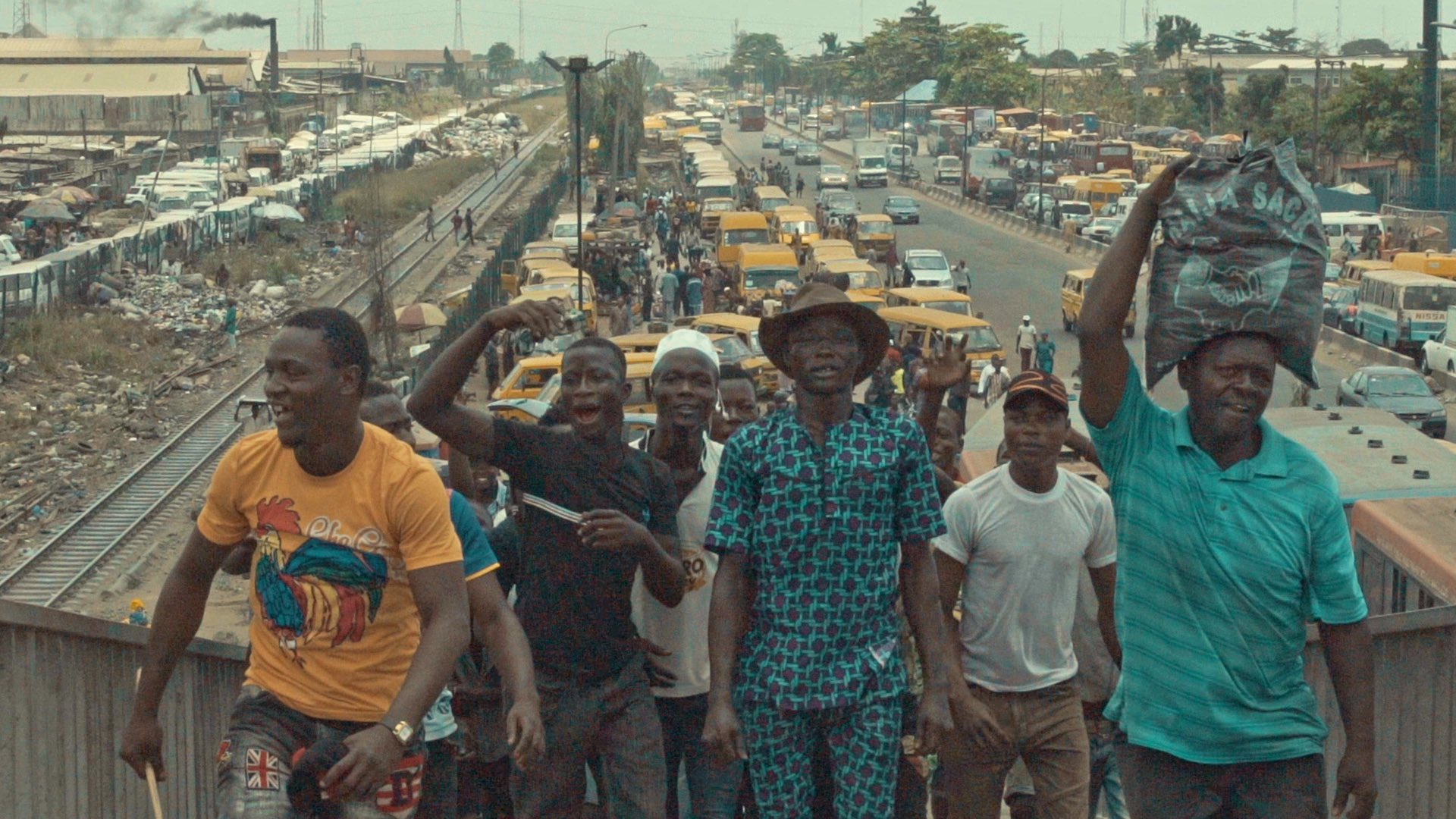
In Oshodi, we meet ETE, who left Lagos at age 12 to his hometown in Ilorin after his father died. Unfortunately, he was too reckless and stubborn for school over there, and the family didn’t make him a priority. He was clever but troublesome and cunning as a fox. He came back to Lagos and became a conductor to fend for himself.
At the New Afrika Shrine, we met AGAMMA, who escaped his birth area because he did not want to remain in a dangerous place. His escape led him to meet the pioneer of Afrobeat, Fela Anikulapo-Kuti. Fela took him to Kalakuta, and the rest is history. We meet more men, including the son of a Baale, an entrepreneur and a foodstuff seller.
What do all the men have in common? They are called area boys. But it begs the question: who is an area boy? I watched these men tell their stories, share their dreams for the future, the joys of fatherhood and the pain of losing friends. These are things that we (you and I) experience. One thing that was a standard connection for all of them was this – the streets represent freedom.
They described the street as a place where they were free. Free to do what they wanted without anyone questioning them, free to go anywhere. But even in this freedom, there are limits. They cannot go further than the streets because the government doesn’t make it easy. VOLUME described how the police regularly raided them to take away their money, peace, or happiness. Police harassment that we can all relate to as the END SARS protests in 2020 brought to light just how many Nigerians had suffered at some police officers’ hands.
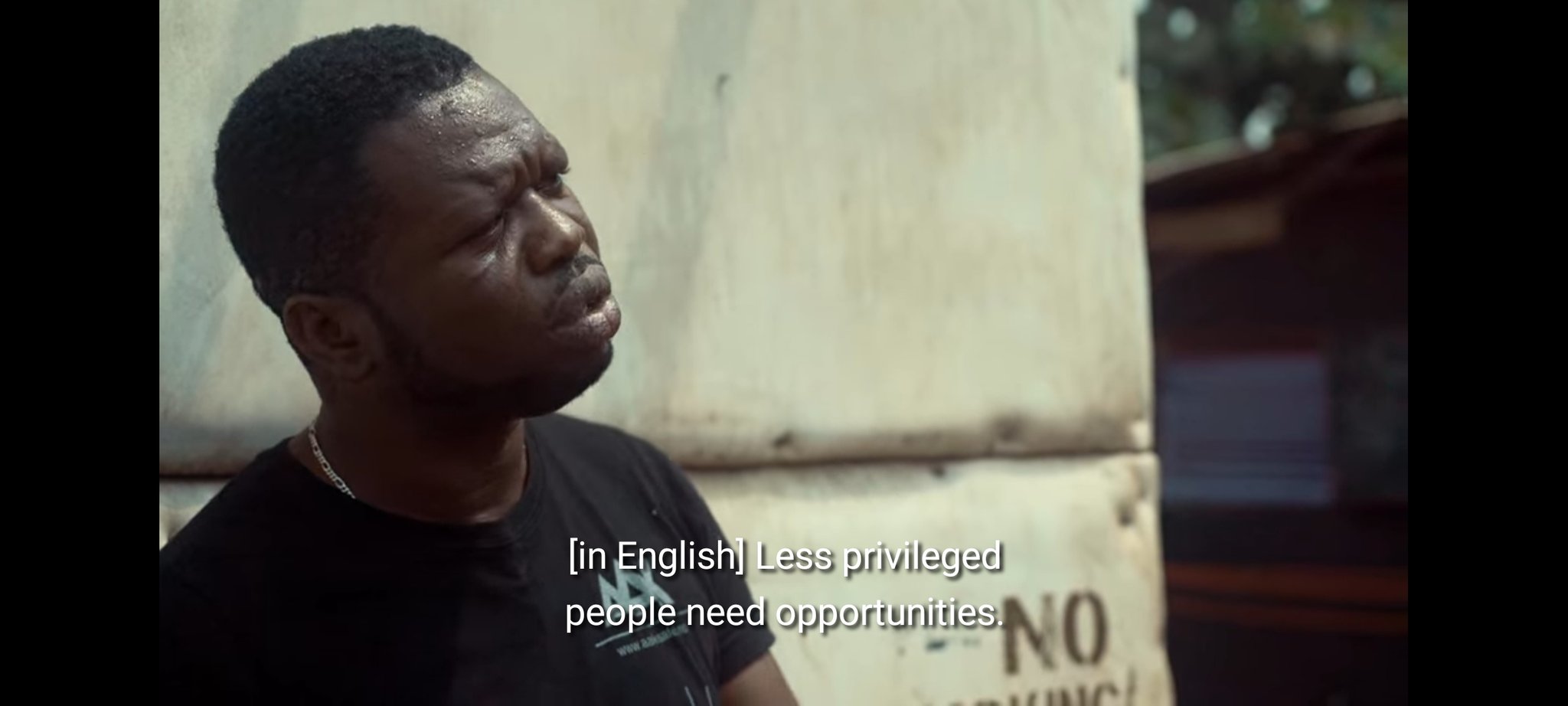
ONIGHO said something that stuck with me even after watching. He says, ‘An area boy is an understatement for someone like me. Even with all I am facing, if I bathed and dressed up to meet you outside, you wouldn’t know this is the area I live in.’ ETE studied construction engineering and welding for four years, yet you couldn’t tell by looking at him. This is the case for many ‘area boys’. Hardworking youths struggled to make it in a system that is rigged against them.
AWON BOYZ is an eye-opener to the plights of these people who are, in many ways, just like us—searching for better days ahead while dealing with the hand that life has dealt them. I implore you reading to watch this documentary. Many want to learn and work good jobs but have no way to train themselves. There is a lot that we can do to help them. They are stretching their hands, and they want someone to lift them. The answer to the question of ‘who is an area boy’ is this: we are all area boys.