


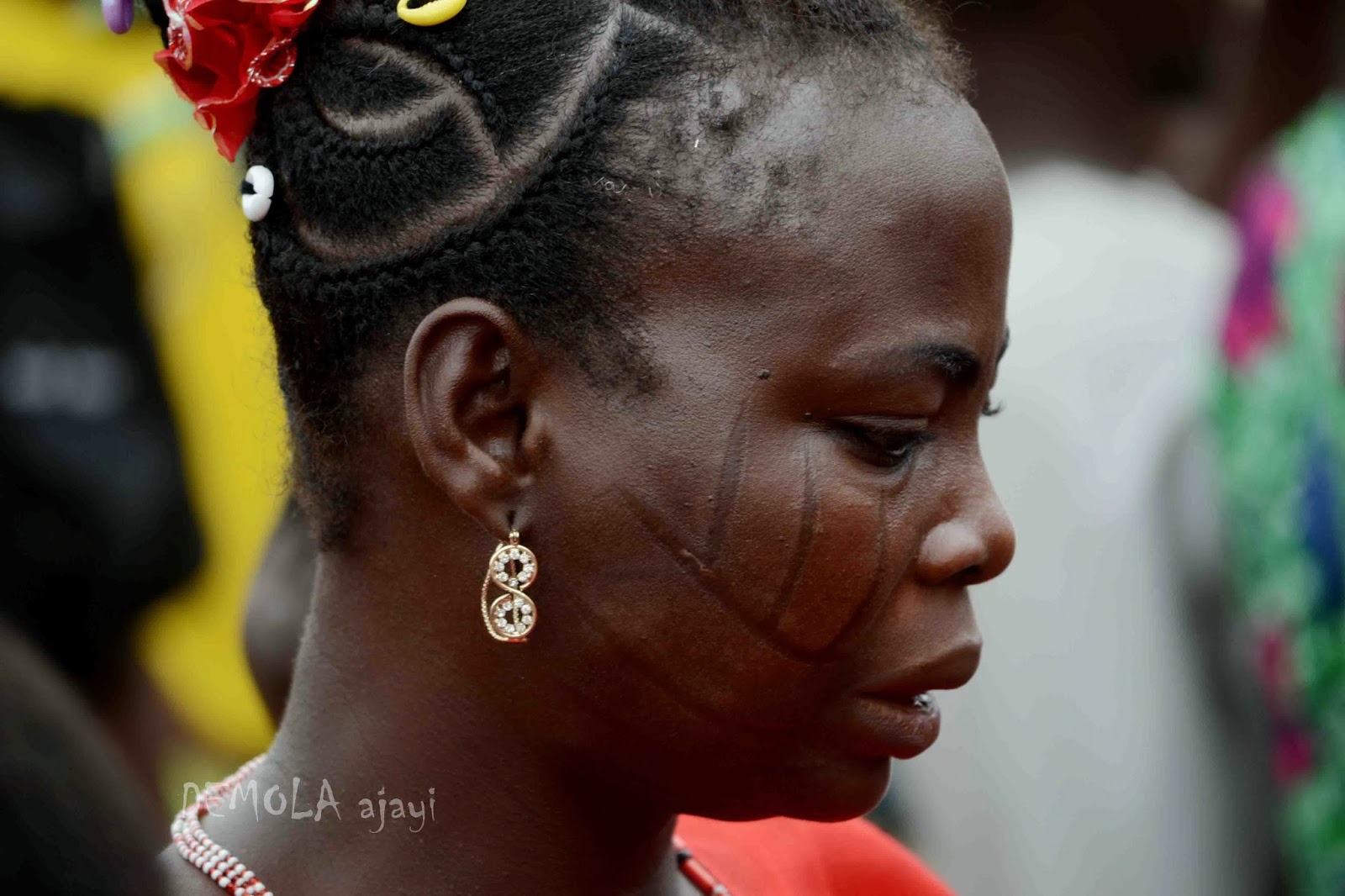
There is a folklore, that is recounted by the Yorubas, of a certain king named Sango, who sent two slaves to a distant country on an important mission. In due course they returned, and he found that one slave had successfully achieved what he had been sent to do, while the other had accomplished nothing.
Therefore, the king rewarded the first with high honours and commanded the second to receive a hundred and twenty-two razor cuts all over his body as a form of punishment.
But when the scars healed, they gave to the slave an alluring appearance, which greatly took the fancy of the king’s wives. Consequently, Sango decided that cuts should be given in the future not as a form of punishment, but as a sign of royalty.
Then he placed himself at once in the hands of the markers. However, he could only bear two cuts. So, from that day two cuts on the arm have been the sign of royalty, and other various cuts came to be the marks of different tribes.
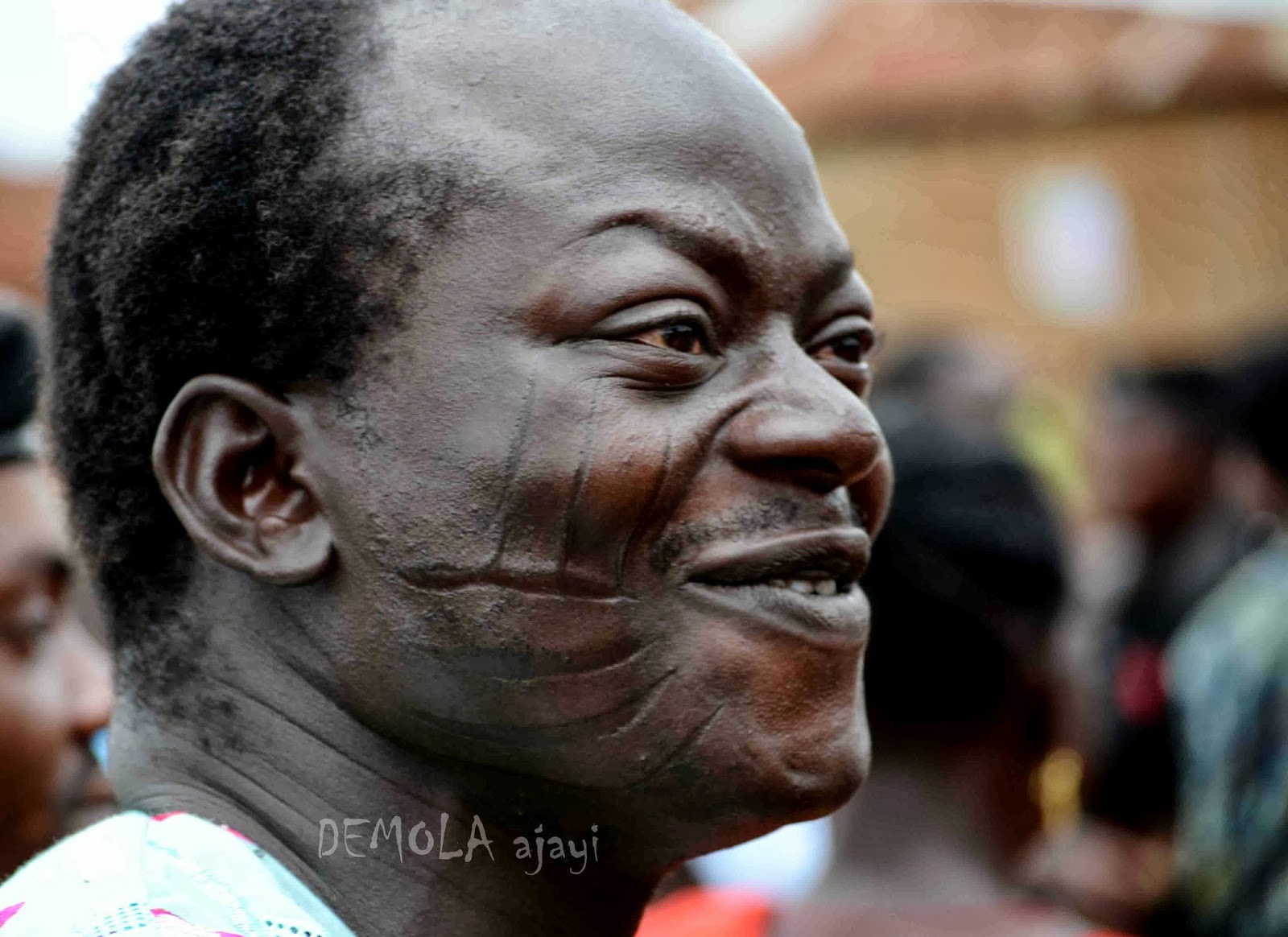
Tribal or facial mark is a specific mark which comes in different shapes and sizes, commonly found on the face. There are various tribal marks by different ethnic groups within the Yoruba nation. The popular tribal marks are found among the Ijesa people and they are known as ‘pele’.
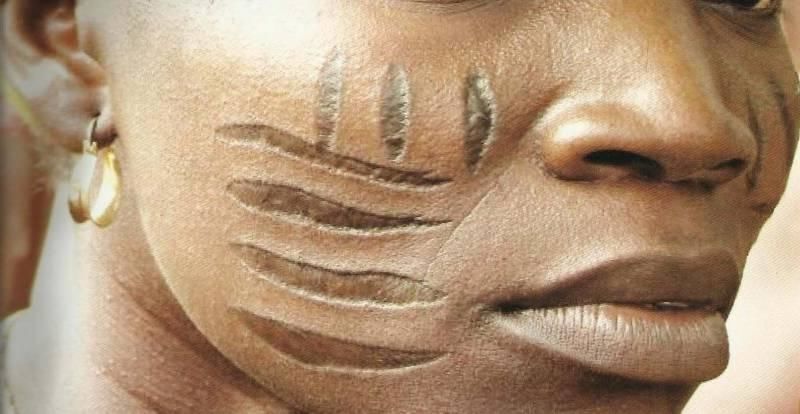
Pele has four horizontal lines, a quarter of an inch long made on the cheeks on both sides of the mouth. The Ondo natives are identified by half an inch vertical lines on both sides of the nose down to the mouth, the marks are usually thick.
Later on, the purpose of facial marks was to identify each group within the Yoruba nation, apart from beautifying the face.
But really, do tribal marks make one beautiful?
No Fields Found.